


The proposal would bring tuition fees for EU students at British universities closer to domestic rates, but the UK government is linking the concession to access for British companies to the European Union's proposed Made in Europe industrial programme.
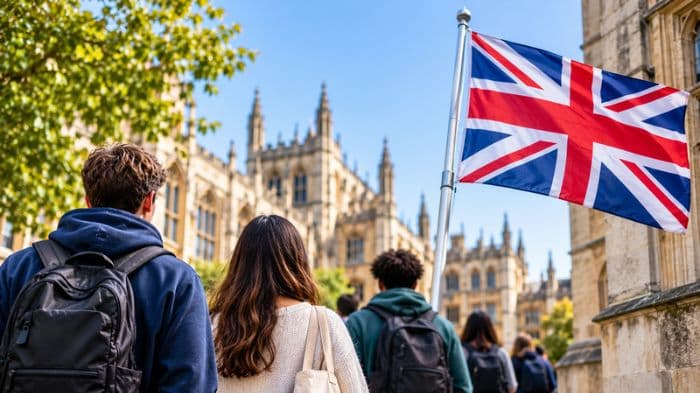
The UK government is considering allowing students from European Union (EU) countries to pay the same university tuition fees as British students, as part of negotiations over closer economic ties with the bloc.
Under the proposal, ministers could spend up to £450 million annually to compensate British universities for the income they would lose by charging EU students lower fees. However, the amount represents a high-cost scenario based on strong student demand and is not a confirmed government spending commitment.

The UK is prepared to offer EU students lower tuition fees only if British companies are granted access to the EU’s proposed Made in Europe industrial programme. The issue is one of two major outstanding hurdles in negotiations ahead of the UK-EU summit in Brussels on Nov 20.
EU students could pay domestic rates again after Brexit
EU students who began courses in the UK before the end of the Brexit transition period on December 31, 2020, generally retained their previous fee status. However, most new EU students arriving after that date have been classified as international students and charged higher tuition fees.
EU officials want students from the bloc to pay just over £9,000 a year instead of international rates, which can exceed £60,000, depending on the university and course.
The proposed change would bring EU students closer to the fee arrangements that applied before Brexit. The UK government is considering compensating universities for the revenue lost through lower fees, rather than expecting institutions to absorb the difference.
The potential cost, however, remains uncertain. Two sources familiar with Treasury estimates told The Guardian that the annual bill could reach £450 million under the most expensive scenario, involving full domestic-fee discounts and very high demand from EU students. Another source suggested the actual cost would be lower, while a government official described the £450 million figure as speculative.
Mark Corver, director of university funding analysis firm Campus Numerics, had previously estimated that the change could cost the higher education sector £140 million in its first year and £400 million over the three-year duration of a typical course.
UK links tuition fee concessions to industrial access
The UK government is seeking access for British companies to the EU's proposed Made in Europe industrial programme in return for agreeing to lower university fees for EU students.
The programme, which is expected to be finalised next year, would give preference to European manufacturers in certain industrial and public procurement activities. The UK was initially excluded from its definition of eligible European producers.
France, which had opposed British participation, has since proposed allowing UK manufacturers to join if Britain aligns its trade measures with EU rules. This could create a further challenge for the UK, which currently has lower tariffs on Chinese electric vehicles than the EU.
The two sides are negotiating the terms ahead of a UK-EU summit scheduled for Nov 20. The tuition fee issue and British access to the industrial programme remain two of the major outstanding points in the negotiations.
Universities could see changes in EU student recruitment
A return to domestic tuition rates could make UK universities more affordable for students from EU countries, who currently face international fees. It could also change the financial arrangements between universities and the government, which is considering compensating institutions for the reduction in fee income.
However, the proposal has not been finalised, and EU students should not assume that lower fees will apply to upcoming admissions. The outcome will depend on the negotiations and any agreement reached between the UK and the EU.

Why Are Nearly 2,000 MBBS Seats Still Vacant After NEET Counselling 2026?

Ghaziabad School Introduces Global Lexile Framework to Assess Reading Skills of Students

SRMIST to Host National Conference on Regenerative Biology and Bioengineering from November 3

VJIM, CII Institute of Logistics sign MoU to boost supply chain career opportunities

Hong Kong plans weekly AI and coding lessons for children: Is India ready for the shift?
Why Are Nearly 2,000 MBBS Seats Still Vacant After NEET Counselling 2026?
Hong Kong plans weekly AI and coding lessons for children: Is India ready for the shift?

Who handles student discipline? Singapore schools look beyond teachers, lessons India can learn

Can Six Years of MBBS Abroad Still Leave Indian Students Unable to Practise in India?

What kind of future are schools preparing children for? Singapore educators explore question

Why Are Nearly 2,000 MBBS Seats Still Vacant After NEET Counselling 2026?
Ghaziabad School Introduces Global Lexile Framework to Assess Reading Skills of Students
SRMIST to Host National Conference on Regenerative Biology and Bioengineering from November 3
VJIM, CII Institute of Logistics sign MoU to boost supply chain career opportunities
Hong Kong plans weekly AI and coding lessons for children: Is India ready for the shift?
Why Are Nearly 2,000 MBBS Seats Still Vacant After NEET Counselling 2026?
Hong Kong plans weekly AI and coding lessons for children: Is India ready for the shift?
Who handles student discipline? Singapore schools look beyond teachers, lessons India can learn
Can Six Years of MBBS Abroad Still Leave Indian Students Unable to Practise in India?
What kind of future are schools preparing children for? Singapore educators explore question
Copyright© educationpost.in 2026 All Rights Reserved.