


Rights group documents alleged political targeting, campus intimidation, forced resignations and restrictions on academic freedom across 229 higher education institutions.
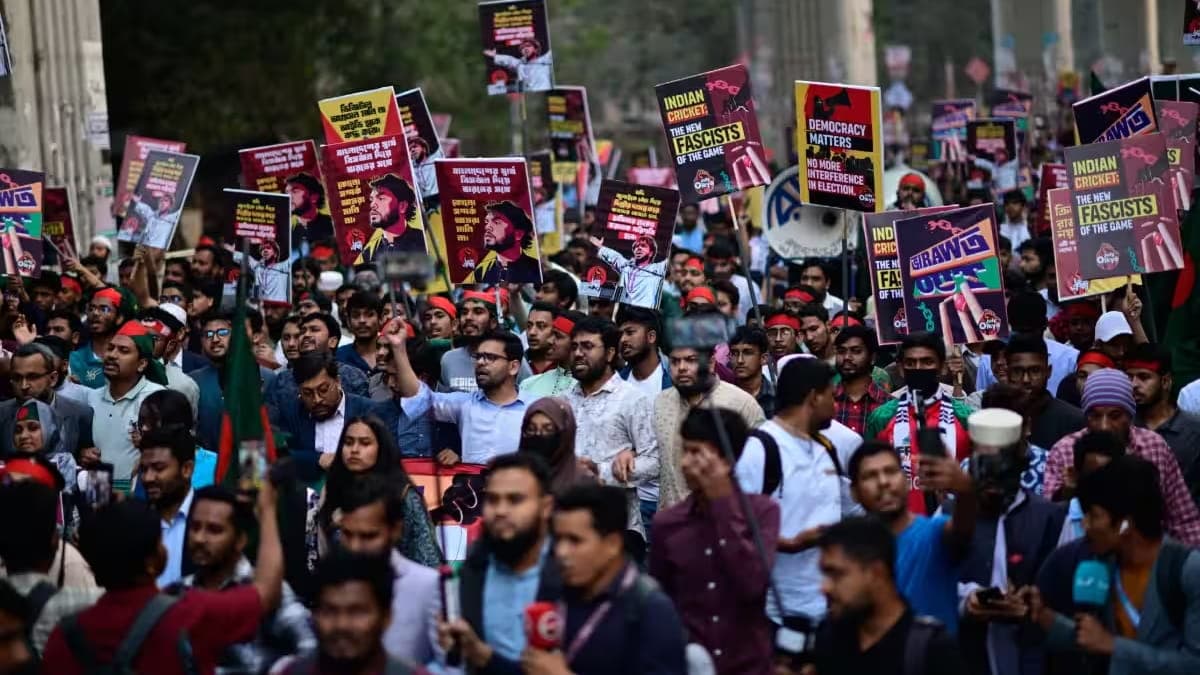
Academic freedom and the right to education in Bangladesh have come under renewed scrutiny after an international human rights organisation reported the alleged persecution of more than 2,000 students and academics across the country's higher education institutions. At least 2,051 people, comprising 1,569 students and 482 teachers and academics, were allegedly subjected to politically motivated persecution across 229 institutions between August 2024 and October 2026, according to a new report by Justice Makers Bangladesh in France (JMBF).
Titled 'Persecution of Teachers and Students in Bangladesh's Higher Education Sector: Academic Exclusion, Coercion and the Struggle for Justice and Accountability', the report documents what the organisation describes as a disturbing pattern of human rights violations targeting members of the academic community. The alleged persecution was linked primarily to individuals' actual or perceived political affiliations with the Bangladesh Awami League and its affiliated wings, as well as their actual or perceived sexual orientation.

The findings point to a climate of intimidation and exclusion within university campuses, where political identity and personal characteristics have allegedly become grounds for disciplinary action, discrimination and denial of academic opportunities. Among the violations documented were physical assaults, threats, politically motivated disciplinary proceedings, criminal allegations, forced resignations and professional boycotts. The report also highlighted cases involving students being expelled from residential accommodation, barred from campuses or prevented from sitting examinations.
Teachers and academics, meanwhile, reportedly faced professional isolation, disciplinary action and pressure to relinquish their positions, raising serious questions about institutional independence and the protection of academic freedom. The findings have prompted concern over the growing vulnerability of students and educators to political retaliation and discrimination, with the rights organisation warning against the use of educational institutions as instruments of political punishment.
JMBF Founder President Shahanur Islam said universities should serve as spaces for knowledge, independent thinking and open debate rather than becoming centres of political retribution and intimidation. "Universities must be centres of knowledge, freedom and critical thinking -- not places of political revenge, intimidation and discrimination," he said. Expressing alarm over the scale of the reported violations, Islam said students and teachers should not be punished for their political affiliations or personal identities.
"No student should lose the right to education because of political identity, and no teacher should lose their livelihood for holding a different political opinion. Political affiliation is not a crime, academic freedom is not a privilege, and education must never become an instrument of collective punishment," he added. JMBF has called on Bangladeshi authorities to immediately end politically motivated academic exclusion, intimidation, violence and discriminatory disciplinary measures.
It also urged the government to guarantee every eligible student safe and unrestricted access to university campuses, examinations and residential facilities, while protecting teachers and academics from politically driven retaliation. The report places the spotlight on a fundamental question facing Bangladesh's higher education sector: whether universities can fulfil their role as independent centres of learning when students and educators fear that their political identities or personal beliefs could cost them their education, careers and livelihoods.
Bangladesh universities face scrutiny as report flags persecution of over 2,000 students, academics

University of Sharjah deepens UAE-Australia ties through cultural and academic exchange

Chhath Puja 2026: Delhi Declares November 16 Holiday, Bihar Schools to Reopen on November 18

Abu Dhabi to train 250 Emiratis annually for inclusive education roles

National Education Day 2026: History, Significance, Celebrations and Maulana Abul Kalam Azad’s Legacy

UK regulator warns universities to protect degree standards as AI reshapes student assessments

Assam clears key education reforms, healthcare funding and employee welfare measures

India-Japan MIRAI-Setu program connects IIT students with Japanese universities and industries
Indian Railways Announces 31 Special Trains from Delhi Amid Chhath Puja Rush; Bihar and UP Passengers Get Relief

Fewer children, more university aspirants: China plans major education system overhaul

Bangladesh universities face scrutiny as report flags persecution of over 2,000 students, academics
University of Sharjah deepens UAE-Australia ties through cultural and academic exchange
Chhath Puja 2026: Delhi Declares November 16 Holiday, Bihar Schools to Reopen on November 18
Abu Dhabi to train 250 Emiratis annually for inclusive education roles
National Education Day 2026: History, Significance, Celebrations and Maulana Abul Kalam Azad’s Legacy
UK regulator warns universities to protect degree standards as AI reshapes student assessments
Assam clears key education reforms, healthcare funding and employee welfare measures
India-Japan MIRAI-Setu program connects IIT students with Japanese universities and industries
Indian Railways Announces 31 Special Trains from Delhi Amid Chhath Puja Rush; Bihar and UP Passengers Get Relief
Fewer children, more university aspirants: China plans major education system overhaul
Copyright© educationpost.in 2026 All Rights Reserved.