


India observes National Education Day on November 11 to honour its first Education Minister, Maulana Abul Kalam Azad, and recognise his contribution to expanding access to education.
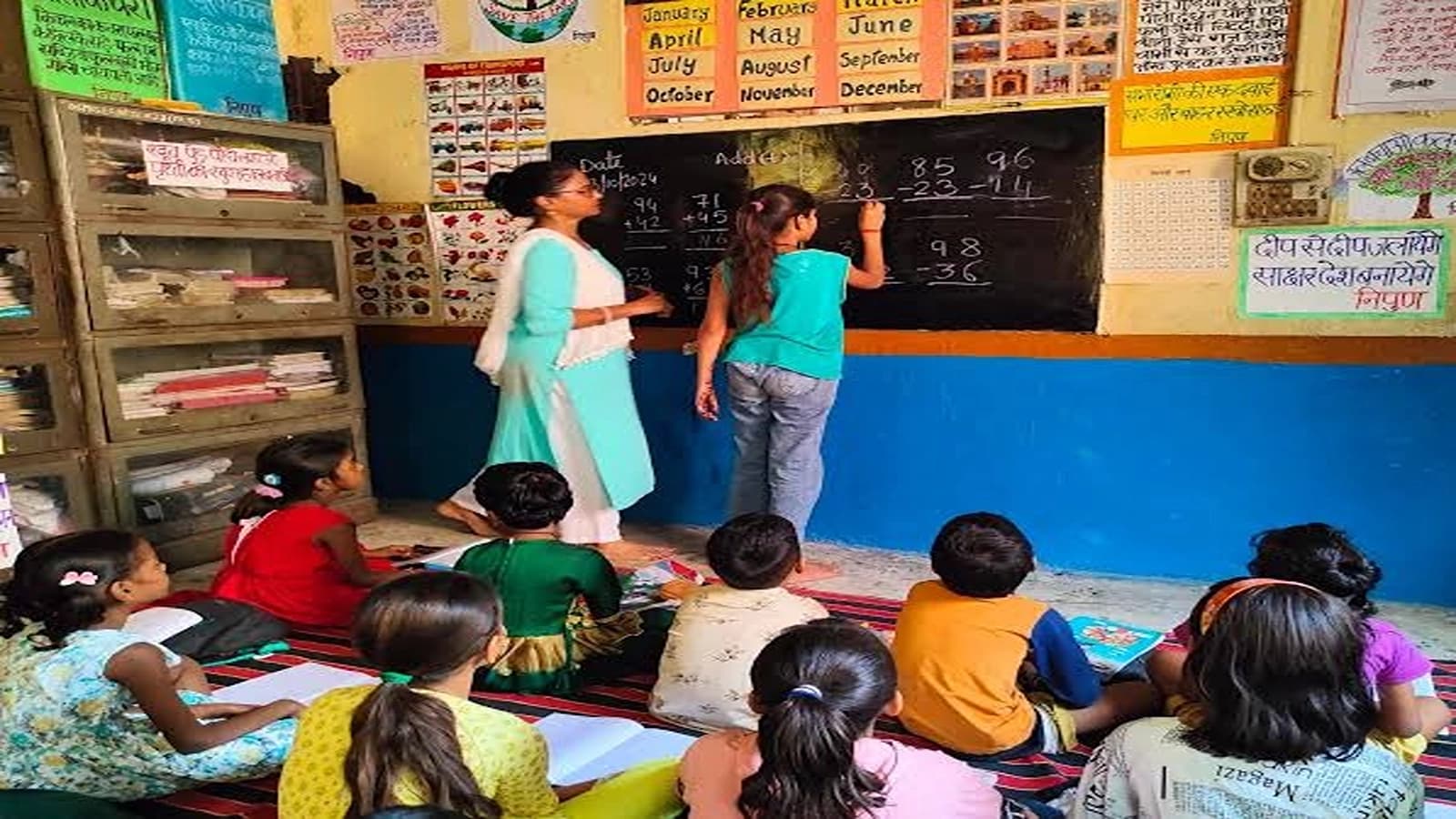
National Education Day is being observed across India on November 11 to commemorate the birth anniversary of Maulana Abul Kalam Azad, the country's first Education Minister after Independence. The occasion highlights the importance of education in national development and recognises Azad's lasting contribution to building India's modern education system.
The day also serves as an opportunity to promote equal access to quality education, encourage learning and reflect on the role of educational institutions in shaping the country's future.

India began observing National Education Day in 2008 after the Ministry of Human Resource Development, now known as the Ministry of Education, announced that November 11 would be dedicated to commemorating Maulana Abul Kalam Azad's contribution to education.
The first National Education Day celebration took place on November 11, 2008, at Vigyan Bhawan in New Delhi. The then President of India, Pratibha Devisingh Patil, attended the inaugural programme.The government's decision recognised Azad's role in strengthening the educational foundation of independent India and promoting education as an essential part of nation-building.
Maulana Abul Kalam Azad was born on November 11, 1888. He was a prominent freedom fighter, scholar, journalist and political leader who played an important role in India's independence movement.Following Independence in 1947, Azad became the country's first Education Minister, serving until 1958. During his tenure, he worked towards developing an education system that could support social progress, scientific advancement and national development.
He strongly advocated universal education, women's education, technical learning and opportunities for children from different economic backgrounds. His vision also emphasised the importance of cultural understanding and scientific thinking.
Azad played a significant role in laying the foundations of India's higher and technical education framework. He supported the development of institutions that continue to influence education, research and cultural activities in the country.
Some of his major contributions and associated institutional developments include:
Indian Institutes of Technology (IITs): He supported the expansion of technical education, with IIT Kharagpur becoming the first IIT in 1951.
University Grants Commission (UGC): He contributed to the development of a framework for university education and academic standards. The UGC was inaugurated in 1953 and became a statutory body in 1956.
Indian Council for Cultural Relations (ICCR): Established in 1950, the organisation promotes India's cultural relations and international exchanges.
Technical education: He encouraged the development of technical institutions and opportunities for specialised learning.
Women's education: He supported wider educational opportunities for women and greater participation in learning.
Azad also believed that children should receive a strong foundation through accessible primary education and that educational opportunities should not be restricted by social or economic circumstances.
National Education Day highlights the role of education in creating an informed, skilled and empowered society. The occasion draws attention to several important objectives:
Equal educational opportunities: Encouraging access to quality education for children and young people from all backgrounds.
Women's education: Promoting learning opportunities and greater participation of women in education.
Scientific development: Supporting scientific research, innovation and technical knowledge.
Literacy and awareness: Strengthening literacy and encouraging lifelong learning.
Nation-building: Recognising education as an important driver of social progress, economic development and national growth.The occasion also encourages policymakers, teachers, students and educational institutions to work towards an inclusive education system.
Schools, colleges and universities organise different educational and awareness programmes to mark National Education Day.
Common activities include:
These programmes aim to encourage students to recognise the importance of education and understand its contribution to individual and national development. The Ministry's original announcement also called for seminars, workshops, symposia and rallies to mark the occasion.
Maulana Abul Kalam Azad's contribution to Indian education continues to be remembered through National Education Day. His vision focused on making education accessible, strengthening higher and technical learning, and developing institutions that could support India's progress.
The annual observance is not limited to remembering a historical personality. It also provides an opportunity to assess the country's educational achievements and address continuing challenges related to literacy, accessibility and educational quality.As India continues to strengthen its education system, Azad's emphasis on inclusive learning, scientific development and equal opportunities remains relevant.
University of Sharjah deepens UAE-Australia ties through cultural and academic exchange

Chhath Puja 2026: Delhi Declares November 16 Holiday, Bihar Schools to Reopen on November 18

Abu Dhabi to train 250 Emiratis annually for inclusive education roles
National Education Day 2026: History, Significance, Celebrations and Maulana Abul Kalam Azad’s Legacy

French students block 49 schools in renewed protest over learning conditions

UK regulator warns universities to protect degree standards as AI reshapes student assessments

Assam clears key education reforms, healthcare funding and employee welfare measures

India-Japan MIRAI-Setu program connects IIT students with Japanese universities and industries

Indian Railways Announces 31 Special Trains from Delhi Amid Chhath Puja Rush; Bihar and UP Passengers Get Relief

Fewer children, more university aspirants: China plans major education system overhaul

University of Sharjah deepens UAE-Australia ties through cultural and academic exchange
Chhath Puja 2026: Delhi Declares November 16 Holiday, Bihar Schools to Reopen on November 18
Abu Dhabi to train 250 Emiratis annually for inclusive education roles
National Education Day 2026: History, Significance, Celebrations and Maulana Abul Kalam Azad’s Legacy
French students block 49 schools in renewed protest over learning conditions
UK regulator warns universities to protect degree standards as AI reshapes student assessments
Assam clears key education reforms, healthcare funding and employee welfare measures
India-Japan MIRAI-Setu program connects IIT students with Japanese universities and industries
Indian Railways Announces 31 Special Trains from Delhi Amid Chhath Puja Rush; Bihar and UP Passengers Get Relief
Fewer children, more university aspirants: China plans major education system overhaul
Copyright© educationpost.in 2026 All Rights Reserved.