DU's Four-Year UG, One-Year MA Plan Faces Hurdles: What Went Wrong With NEP Implementation?
Delhi University's first four-year undergraduate batch has encountered admission uncertainty over one-year postgraduate seats, eligibility rules and delayed planning, raising questions about the implementation of NEP 2020.
Written by: Priyanka Pathak5 Min Read · Updated:
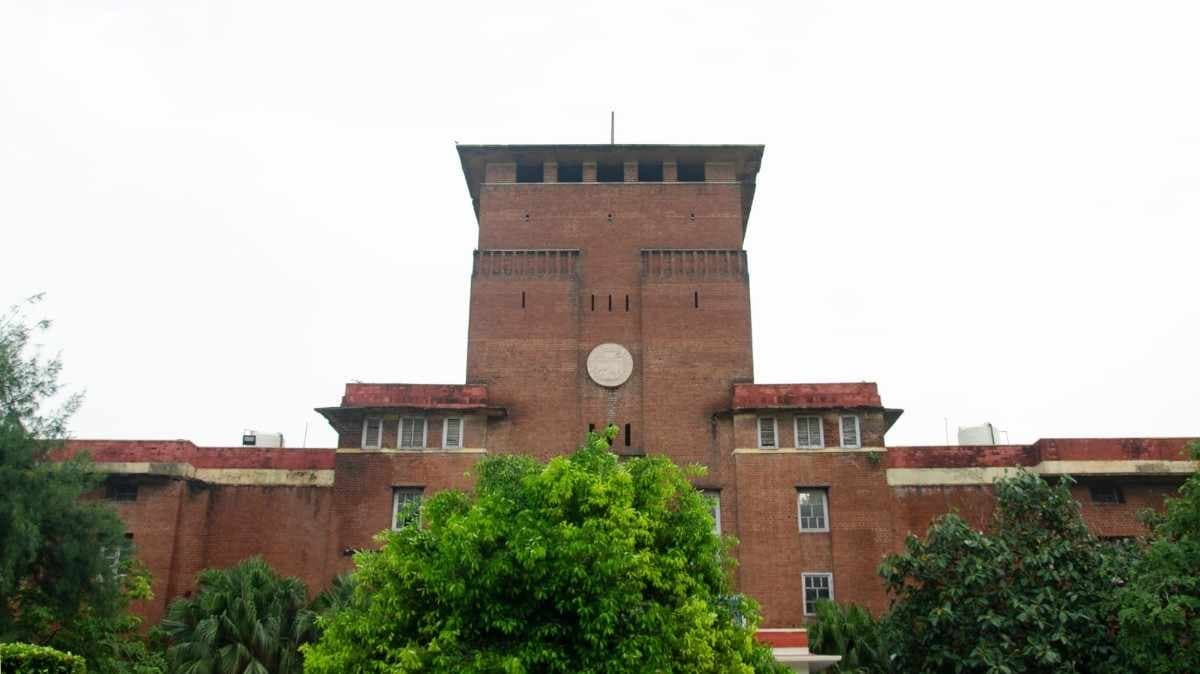
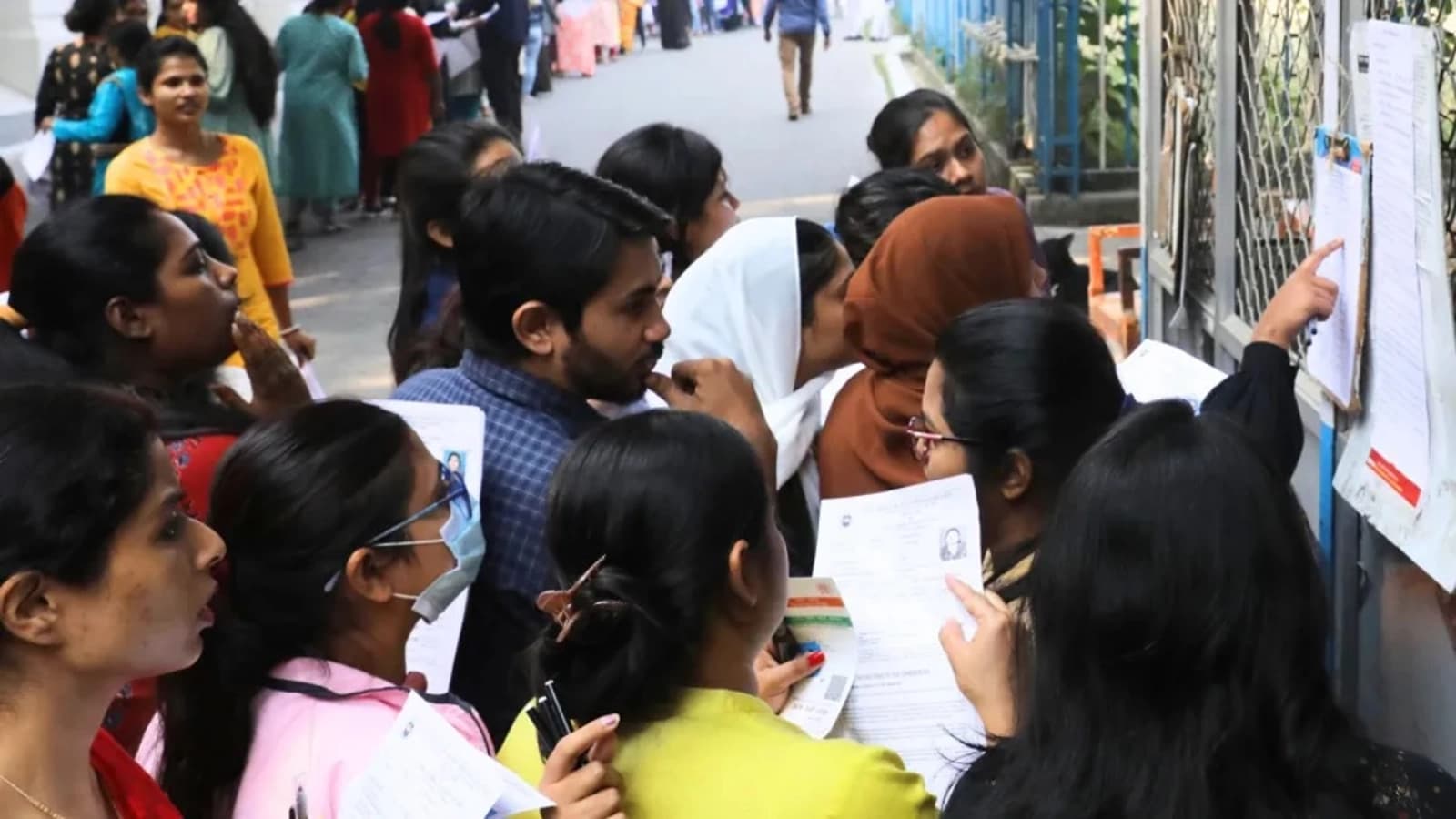
The implementation of the National Education Policy (NEP) 2020 at Delhi University (DU) has come under scrutiny as students from its first Four-Year Undergraduate Programme (FYUP) batch struggle to secure admission to the newly introduced one-year postgraduate courses.
The programme was designed to provide greater flexibility in higher education, allowing students completing a four-year undergraduate degree to pursue a one-year master's programme. However, the first batch of students graduating under this framework in 2026 has encountered several challenges, including limited postgraduate seats, admission criteria and uncertainty over academic progression.
The issue has now reached the Delhi High Court, highlighting gaps between the introduction of undergraduate reforms and the university's preparedness to implement the corresponding postgraduate structure.
Why are DU's first FYUP graduates facing admission difficulties?
Delhi University introduced its four-year undergraduate structure in the 2022-23 academic session in accordance with its Undergraduate Curriculum Framework (UGCF) 2022.Students opting for the fourth year were expecting to benefit from the one-year master's pathway envisaged under the NEP framework. However, the availability of postgraduate seats has emerged as a major concern.
According to reports, approximately 23,000 students continued into the fourth year of DU's undergraduate programme, while around 14,000 subsequently applied for the one-year postgraduate courses.
The university had approximately 3,000 seats in the one-year PG programme, including regular and School of Open Learning (SOL) provisions. Consequently, a substantial number of applicants could not secure admission to their preferred courses.
Admission priority rules trigger controversy
The admission criteria for DU's one-year postgraduate programmes have become another major point of disagreement.Unlike the existing two-year master's programmes, where admissions are based on CUET-PG scores, DU adopted an undergraduate CGPA-based merit system with a defined priority structure for the one-year courses.
Under these rules, candidates holding a four-year Honours degree, including Honours with Research or Entrepreneurship, received preference over students completing a four-year multidisciplinary undergraduate degree with a Major in the relevant subject.
Students argued that the system placed multidisciplinary graduates at a disadvantage, even when some candidates had obtained higher undergraduate CGPAs than applicants in the preferred category.They approached the Delhi High Court, questioning the fairness of the admission process and seeking relief for students who had completed the fourth year expecting a pathway to the one-year master's programme.
Limited seats and infrastructure add to the problem
The availability of seats and institutional resources has emerged as another challenge in implementing the new academic structure.DU told the Delhi High Court that it was already operating under limitations relating to infrastructure, faculty strength and other academic resources.
The university initially offered 1,063 seats in its one-year postgraduate programmes. Following student concerns, the intake was subsequently increased to 2,807 regular seats and 3,340 seats through the School of Open Learning, according to reports.However, the expansion was still insufficient to accommodate the demand from students seeking admission to regular postgraduate courses.
The situation has raised questions about whether postgraduate capacity, faculty requirements and admission planning were adequately assessed when DU introduced the four-year undergraduate programme in 2022.
What did the Delhi High Court say about the students' demands?
The Delhi High Court heard petitions filed by students challenging DU's admission policy for the one-year postgraduate programmes.In its November 20, 2026 order, the court acknowledged that students had pursued the four-year undergraduate programme with a legitimate expectation that completing the course would facilitate their progression to a one-year master's degree.
However, the court declined to direct DU to create additional seats or provide admission to the petitioners.
It observed that increasing the intake would require consideration of several factors, including sanctioned seats, availability of teachers, infrastructure and institutional resources. The court also noted that evaluating the academic differences between multidisciplinary and Honours programmes falls primarily within the responsibility of academic authorities.
Instead, the court directed the University Grants Commission (UGC) to examine the students' grievances and explore whether they could be accommodated in one-year postgraduate programmes at other universities and colleges, wherever feasible.The UGC has been asked to complete this exercise within three weeks.
Will DU change its admission process for one-year MA courses?
The university is also considering changes to its admission mechanism for future academic sessions.According to submissions reported before the Delhi High Court, DU is examining the possibility of introducing an entrance examination for admission to one-year postgraduate programmes from the 2027-28 academic session.
Under the proposed system, admission could be based on entrance-test performance rather than the existing undergraduate CGPA-based priority arrangement.The university is also expected to assess available academic resources before determining the intake for its one-year and two-year postgraduate programmes.
However, the proposed entrance examination is not yet a confirmed admission rule. Students should wait for an official notification from DU before making decisions based on the proposed changes.
What went wrong with NEP implementation at Delhi University?
The current controversy highlights the difficulties of implementing major educational reforms without ensuring that different stages of the academic system are adequately coordinated.
The four-year undergraduate programme and one-year master's pathway were intended to work together under the broader NEP framework. However, the experience of DU's first graduating batch has exposed several challenges:
- Insufficient postgraduate seats: The number of available seats has not matched the demand from students completing the four-year undergraduate programme.
- Admission policy concerns: The priority-based selection system has triggered questions about fairness among different categories of FYUP graduates.
- Planning and communication gaps: Students have raised concerns about the timing and clarity of admission guidelines.
- Infrastructure limitations: Faculty availability, classroom capacity and other institutional resources have affected the expansion of postgraduate programmes.
- Uncertainty over academic progression: Students who opted for the fourth year are now facing uncertainty about their preferred postgraduate pathway.
The developments at DU underline the importance of synchronising undergraduate and postgraduate reforms. Introducing a new degree structure is only one part of educational reform; universities must also ensure adequate seats, transparent admission policies and sufficient academic resources.
For the first batch of FYUP graduates, the immediate challenge is securing a suitable postgraduate opportunity. For policymakers and universities, the larger question is how to ensure that the objectives of NEP 2020 translate into a workable academic pathway for students.
Also read