


A proposed law in Iran could criminalise academic cooperation with foreign institutions, while researchers also report visa refusals, restricted access to research opportunities and difficulties attending international conferences in the US and Europe.
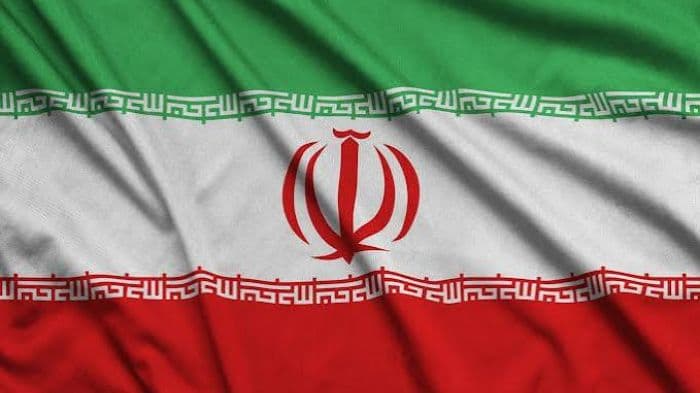
Researchers in Iran are facing increasing obstacles to international academic collaboration, with a proposed law threatening to penalise cooperation with foreign institutions even as visa restrictions and other barriers abroad make it difficult for scholars to participate in global research.
The proposed anti-infiltration bill would give Iranian intelligence agencies greater powers to monitor academic and other forms of cooperation with foreign entities. It could also bring routine scholarly activities, including joint research publications and interviews with foreign media, under criminal scrutiny.

The development has raised concerns among academics and international organisations about the future of research partnerships involving Iranian universities and scholars.
The legislation's general framework was approved by Iran's parliament in August, while lawmakers approved several individual provisions last week. The bill must still receive constitutional approval from the Guardian Council before it can become law.
Under the proposed legislation, Iranian researchers could face prosecution for publishing work in international academic journals without state approval.
The restrictions could also put researchers at risk for collaborating with foreign academics, potentially affecting joint publications and other forms of scholarly exchange.
Negar Partow, vice-president of the International Community of Iranian Academics and a senior fellow at Indiana University's Center for the Study of the Middle East, has warned that the proposed law could put Iranian researchers in danger even when they participate in routine academic collaborations.
She pointed out that international journal publications have been an important part of the academic requirements for Iranian doctoral students. Restrictions on such work could therefore affect not only established researchers but also students pursuing higher degrees.
The proposed legislation has also faced criticism within Iran. Shahin Akhondzadeh, the country's deputy minister of research and technology at the Ministry of Health, has cautioned that limiting engagement with international institutions could weaken Iran's scientific and research capabilities.
Visa barriers and restrictions abroad add to academic isolation
However, the proposed legislation is not the only obstacle facing Iranian scholars. Some researchers say restrictions outside Iran, particularly difficulties obtaining visas to travel to the US and Europe, are already a more immediate barrier to international academic participation.
Alireza Qaiumzadeh, a research professor in the department of physics at the Norwegian University of Science and Technology, said Iranian academics face difficulties securing visas for conferences, research stays and academic positions abroad, including after receiving formal offers.
He also highlighted problems accessing laboratories and research projects and obtaining international language examinations required for academic opportunities.
An Iranian scholar based in Europe, who spoke anonymously, described similar difficulties. The researcher had initially planned to pursue studies in the US but could not obtain a visa. They subsequently secured a position at a university in western Europe but were unable to travel to international conferences while carrying out the work from Iran.
The scholar said visa-related difficulties had affected Iranian researchers seeking to participate in international academic events since 2024. They also described how previous visa problems could make universities and prospective supervisors reluctant to consider Iranian applicants for research positions.
Qaiumzadeh said these external restrictions were a more immediate source of academic isolation for many Iranian researchers than the proposed legislation, although he acknowledged that the bill could make the situation worse.
The concerns point to challenges on both sides of international research collaboration. While the proposed law could expose Iranian academics to scrutiny and possible prosecution for unapproved foreign engagement, restrictions on travel and access to academic opportunities abroad can prevent researchers from taking part in international work even when institutions are willing to collaborate.
The legislation's final provisions will depend on the constitutional review process. Until then, its potential impact on Iranian universities, doctoral students and researchers involved in international partnerships remains uncertain.
Iranian researchers face growing barriers to international academic collaboration

UK teacher escapes ban after giving vulnerable pupil sexually explicit books
Nigeria’s ex-VP hits back at President Tinubu, says he founded university during US forfeiture case
Nigeria seeks seven-year freeze on new federal universities and polytechnics

US higher education groups warn defence bill could restrict international research partnerships

Odisha expands postgraduate medical education with 318 additional seats
CSIR-UGC NET December 2026 registration deadline extended, apply by Nov 9

XAT 2027 introduces new exam rules, adds 17 B-schools to associate network

Delhi-NCR schools up to Class 5 to shift to hybrid mode amid rising pollution
CA Foundation result 2026 out, Kansika and Mahek Gupta jointly secure AIR 1

Iranian researchers face growing barriers to international academic collaboration
UK teacher escapes ban after giving vulnerable pupil sexually explicit books
Nigeria’s ex-VP hits back at President Tinubu, says he founded university during US forfeiture case
Nigeria seeks seven-year freeze on new federal universities and polytechnics
US higher education groups warn defence bill could restrict international research partnerships
Odisha expands postgraduate medical education with 318 additional seats
CSIR-UGC NET December 2026 registration deadline extended, apply by Nov 9
XAT 2027 introduces new exam rules, adds 17 B-schools to associate network
Delhi-NCR schools up to Class 5 to shift to hybrid mode amid rising pollution
CA Foundation result 2026 out, Kansika and Mahek Gupta jointly secure AIR 1
Copyright© educationpost.in 2026 All Rights Reserved.