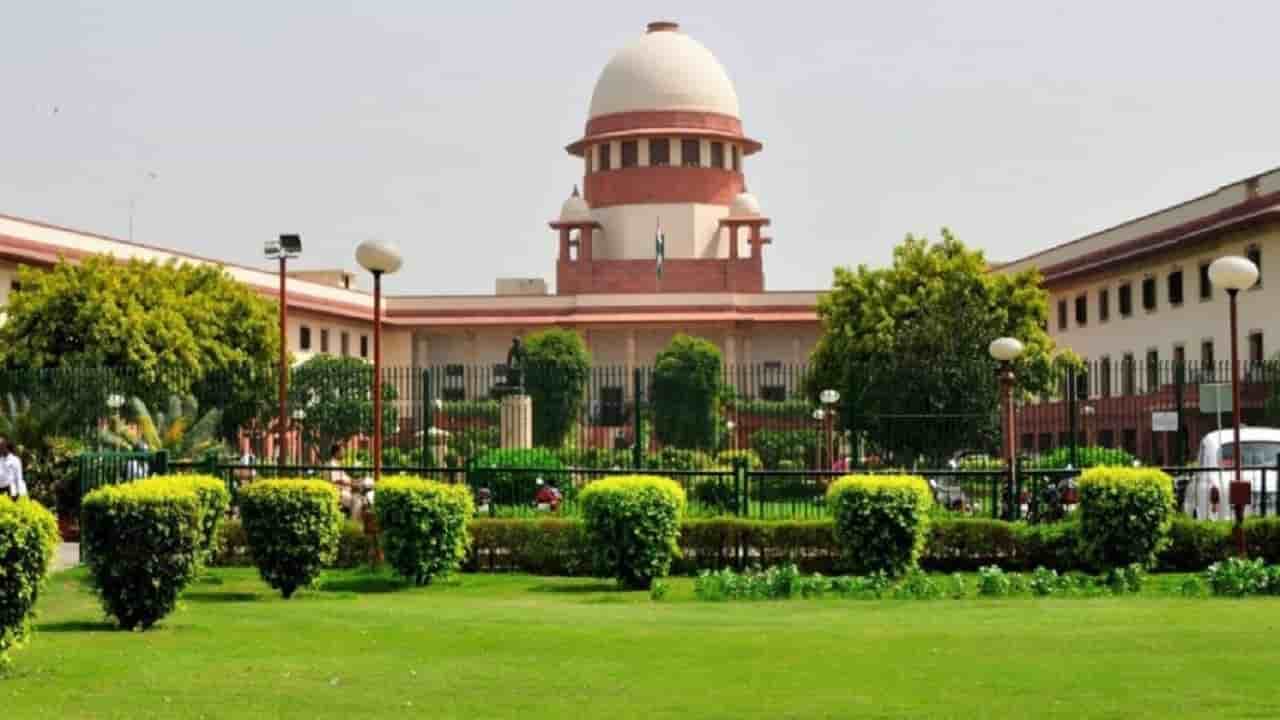
The Supreme Court on Feb 11 sought responses from the Central Government and the University Grants Commission on two additional petitions contesting the validity of the UGC Regulations 2026.
The bench directed that the new pleas be tagged with the earlier batch of petitions, which had already led to a stay on the implementation of the rules.

All matters will now be taken up together, with the next hearing scheduled for March 19.
The newly filed petitions claim that specific provisions of the 2026 framework unfairly exclude members of the general category and infringe upon their constitutional guarantees.
The court had previously paused the operation of the regulations and indicated that an expert panel may be required to reexamine the drafting of the rules.
The regulations mandate that every university and college establish an Equal Opportunity Centre and create institutional committees to address complaints of discrimination and foster inclusivity on campus.
The measures triggered protests in several places, particularly among general category students. The bench observed that certain clauses appear overly broad and lack clarity, raising the risk of arbitrary application.
During the proceedings, Chief Justice of India Surya Kant reflected on the continuing presence of caste divisions in society.
“In a country after 75 years, with all that we have achieved, to become a classless society; are we becoming a regressive society? The worst thing happening in ragging is that children coming from south or north-east... they carry their culture, and somebody alien to this starts commenting on them. Then you have separate hostels. For God's sake. There are inter-caste marriages, and we have also been in hostels where all stayed together," the Chief Justice had remarked.
The bench emphasized that regulatory language must be carefully vetted. Justice Joymalya Bagchi pointed out that although Article 15(4) authorizes special provisions for Scheduled Castes and Scheduled Tribes, reforms should not result in regression.
"I hope we don't go to segregated schools like the US, where blacks and whites went to different schools," he said, with the CJI adding, "This kind of situation can be exploited."
Appearing for the petitioners, advocate Vishnu Shankar Jain argued that Section 3(c) defines caste-based discrimination exclusively in relation to SC, ST, and OBC communities, thereby omitting the general category and violating Article 14.
"Caste-based discrimination is defined as discrimination against SC, ST, and OBC. This completely excludes the members of the general category.
This definition under Section 3(c) is hit by Article 14, as discrimination cannot be assumed to target only one segment," Jain said.
Until the court reaches a final determination, colleges and universities will continue to follow the 2012 regulations.