


The revised policy aligned with NEP 2020 will require students to study three languages, including at least two Indian languages, from the next academic cycle.
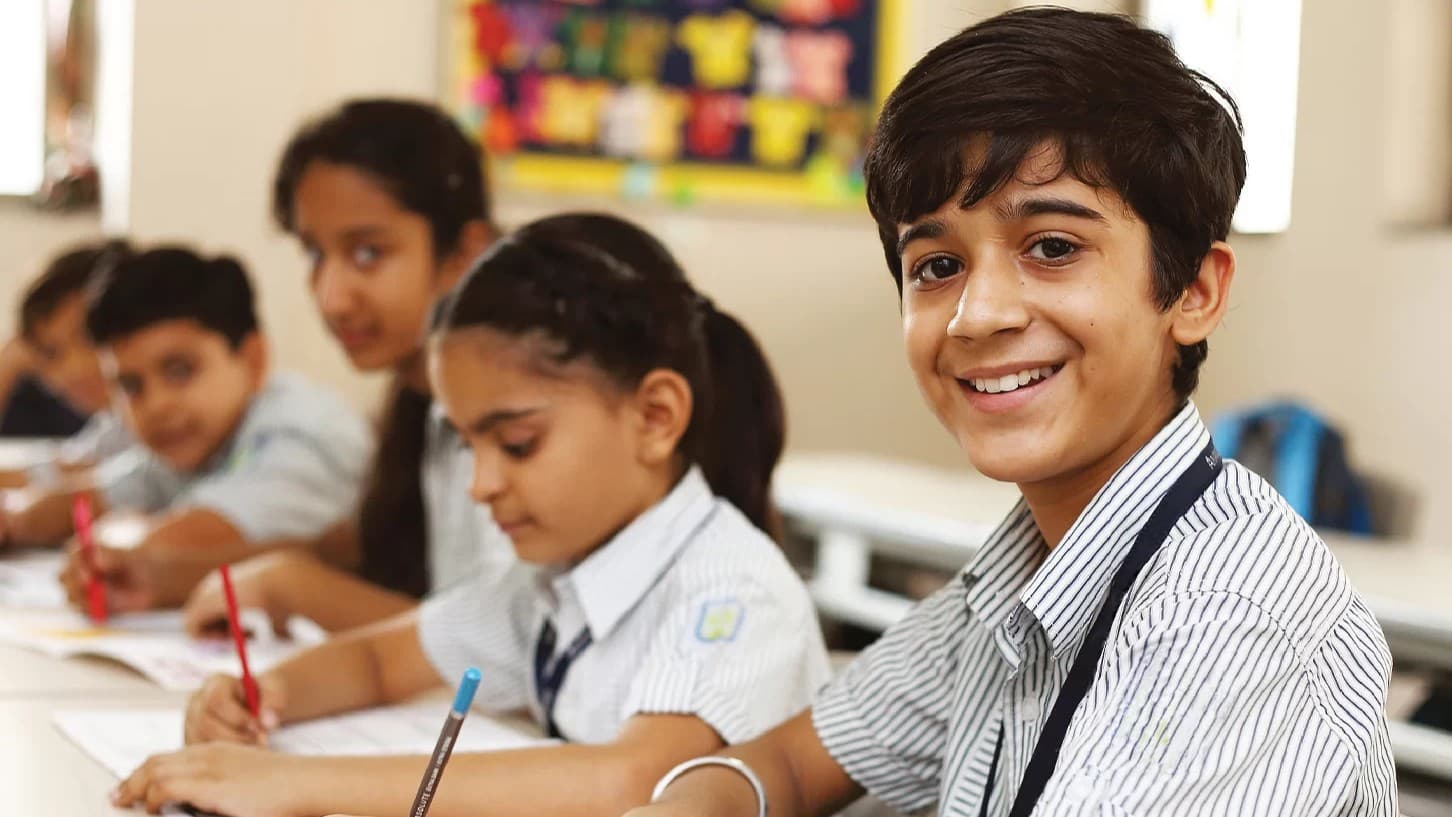
The Central Board of Secondary Education has introduced a revised language framework for Classes 9 and 10 that will come into effect from the 2026-27 academic session under reforms linked to the National Education Policy 2020 and the National Curriculum Framework for School Education 2023.
In a circular issued on May 15, CBSE said students in Classes 9 and 10 will be required to study three languages, identified as R1, R2, and R3, from July 1, 2026.

According to the revised scheme, at least two of the three selected languages must be native Indian languages.
The Board clarified that students opting for a foreign language can do so only if the remaining two language choices are Indian languages. Foreign languages may also be taken as an additional fourth language.
CBSE said the changes were finalized after examining the newly released NCERT syllabus for Classes 9 and 10 for the 2026-27 academic year.
Although the current academic session began in April 2026, the Board stated that the new language structure would be implemented gradually through a transition plan.
CBSE has instructed affiliated schools to review the revised curriculum objectives, competency requirements, and learning outcomes related to language education.
The circular noted that nearly 75% to 80% overlap exists in language skills such as reading comprehension, grammar, writing ability, and oral communication between middle school and secondary school levels.
Until dedicated R3 textbooks are introduced, students in Classes 9 and 10 will use Class 6 R3 textbooks for their selected language during the 2026-27 academic year.
Schools have also been advised to support textbook learning with regional and state-level literary content, including poetry, fiction, and short stories.
The Board said additional guidelines regarding the use of supplementary material and teaching methods will be released by June 15, 2026.
Acknowledging possible teacher shortages during the transition phase, CBSE has allowed schools to adopt temporary arrangements for language teaching.
These include inter-school teacher sharing through Sahodaya clusters, hybrid learning support, hiring retired language teachers, and appointing qualified postgraduate instructors.
CBSE further informed schools that Class 6 R3 textbooks in 19 scheduled languages will be supplied before July 1, 2026.
From “write a thesis” to “build something”: IIT Ropar’s new PhD route
Study in Taiwan 2027: Top Universities, Fees, Scholarships, Student Visa and Jobs for Indian Students

Study in Japan 2027: Top Universities, Fees, Scholarships, Visa and Career Opportunities for Indian Students
Maharashtra: Nanded to Offer Free NEET, JEE Coaching to 200 Rural Students

NEET PG 2026: NBEMS issues fresh guidelines on joining deadlines, fees and seat upgradation
Study in Taiwan 2027: Top Universities, Fees, Scholarships, Student Visa and Jobs for Indian Students

Study in Hong Kong 2027: Top Universities, Fees, Scholarships, Visa and Career Opportunities for Indian Students

Study in South Korea 2027: Top Universities, Fees, Scholarships, Visa and Career Opportunities for Indian Students
.avif&w=256&q=75)
UAE robotics league puts students with intellectual disabilities at the heart of 279 teams
Gujarat Class 12 student builds scribe network to support visually impaired students

From “write a thesis” to “build something”: IIT Ropar’s new PhD route
Study in Taiwan 2027: Top Universities, Fees, Scholarships, Student Visa and Jobs for Indian Students
Study in Japan 2027: Top Universities, Fees, Scholarships, Visa and Career Opportunities for Indian Students
Maharashtra: Nanded to Offer Free NEET, JEE Coaching to 200 Rural Students
NEET PG 2026: NBEMS issues fresh guidelines on joining deadlines, fees and seat upgradation
Study in Taiwan 2027: Top Universities, Fees, Scholarships, Student Visa and Jobs for Indian Students
Study in Hong Kong 2027: Top Universities, Fees, Scholarships, Visa and Career Opportunities for Indian Students
Study in South Korea 2027: Top Universities, Fees, Scholarships, Visa and Career Opportunities for Indian Students
UAE robotics league puts students with intellectual disabilities at the heart of 279 teams
Gujarat Class 12 student builds scribe network to support visually impaired students
Copyright© educationpost.in 2026 All Rights Reserved.