Teachers in Kiribati are finding creative ways to introduce students to the digital world, even as schools across the Pacific island nation grapple with unreliable electricity, limited infrastructure and weak internet connectivity, according to a UNESCO report.
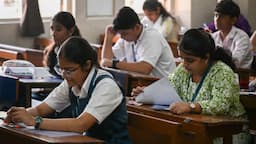
At TUC 1 Junior Secondary School in South Tarawa, Year 8 teacher Aroito Tetuai uses textbooks, diagrams and students' imagination to explain concepts such as satellites, computers and digital communication — technologies many students have rarely, if ever, used themselves.

"We explain satellites without photos, videos or real tools," teacher Raen Bwauro said, according to UNESCO. "But students develop their knowledge by seeing real things and using real tools."
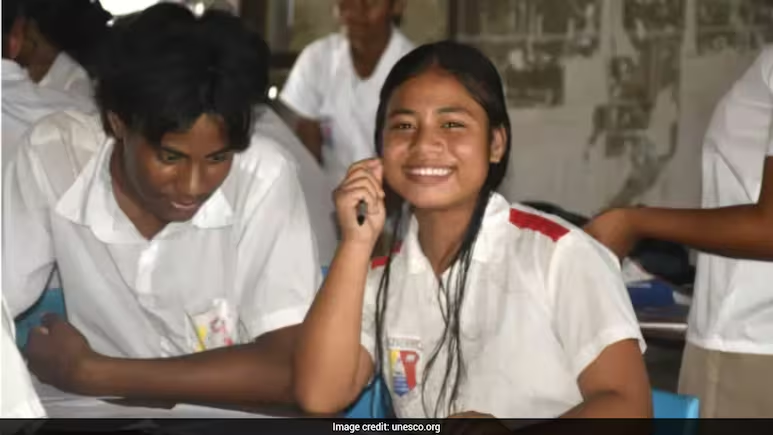
For students, however, the lack of regular access to computers has not diminished their interest in technology. Instead, digital skills are increasingly seen as a pathway to the careers they hope to pursue.
A 13-year-old student identified by UNESCO as Teina said she wanted to become a nurse and understood that computer skills would be important because hospitals rely heavily on digital technology.
Other students at the school aspire to become doctors, pilots, police officers and teachers. Yet many have had few opportunities to gain hands-on experience with computers in the classroom.
"Most of the students enjoy learning about technology," Tetuai said. "Maybe at home they see computers from their parents, or brothers and sisters. But they don't have practice in school."
The challenge highlights a wider digital divide facing Kiribati, where geography and limited infrastructure can make access to technology and basic learning resources difficult, particularly in remote island communities.
TUC 1 is one of 10 schools selected as model schools under the Kiribati ICT Transformation of Education Systems (KITES) project. The four-year initiative is supported by a US$2.5 million System Transformation Grant from the Global Partnership for Education (GPE).
Kiribati's Ministry of Education is leading the project, with UNESCO serving as the implementing partner and Australia's Department of Foreign Affairs and Trade acting as the coordinating agency.
The model-school approach is designed to test approaches that can later be adapted across the country, including in communities where access to electricity, internet connectivity and learning materials remains limited, UNESCO said.
For teachers such as Tetuai, the initiative is about more than putting computers and other equipment into classrooms. It is about giving students the chance to turn curiosity into practical skills — and helping them connect what they learn at school with the careers they imagine for themselves.
For students like Teina, that connection could be especially important. Her ambition to become a nurse already comes with an understanding that the future of healthcare, like many other professions, will depend increasingly on digital skills.