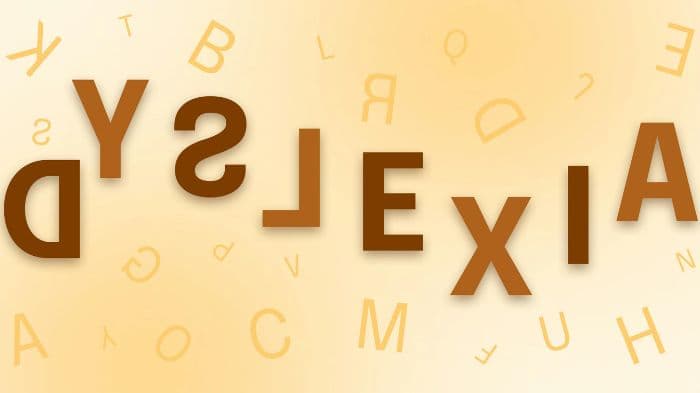
As October is observed as Dyslexia Awareness Month, the education system is focusing on greater awareness and understanding of learners who experience difficulties with reading and writing.
A recent awareness message has urged people to “think beyond the letters” and understand dyslexia as a specific learning difficulty that can affect a learner’s reading and writing skills. The message also encouraged parents, teachers and other stakeholders to learn more about dyslexia and support learners in ways that respond to their individual learning needs.

The awareness initiative has also directed learners and educators towards PM eVidya DTH Channel No. 31, which is dedicated to Indian Sign Language (ISL)-based educational content.
Focus on inclusive learning
The emphasis on dyslexia awareness comes amid broader efforts by the education system to make classrooms more responsive to students with different learning requirements.
In June 2026, the Central Institute of Educational Technology (CIET), NCERT conducted a five-day online training programme titled Beyond Labels: Understanding 5Ds. The programme covered dyslexia, dysgraphia, dyscalculia, dyspraxia and developmental aphasia, with a focus on awareness, early identification of learning difficulties, classroom realities and practical approaches for inclusive education.
The programme was aligned with the National Education Policy (NEP) 2020 and the Rights of Persons with Disabilities Act, 2016, according to the CBSE circular announcing the training.
The sessions were conducted in Hindi and English and included Indian Sign Language interpretation. They were also made available through PM eVidya DTH ISL Channel No. 31, along with NCERT's official digital platforms.
Why dyslexia awareness matters in schools
Dyslexia can make certain aspects of reading and writing more difficult for a learner. Without adequate awareness, these difficulties may be misunderstood as a lack of effort or ability.
For schools, greater awareness can help teachers recognise that students may require different ways of accessing lessons, demonstrating their understanding and developing literacy skills.
This is particularly important in classrooms where academic performance is often closely associated with conventional reading and writing tasks. Understanding learning difficulties can help educators move towards more inclusive classroom practices rather than treating every learner's difficulties in the same way.
The focus on awareness also reflects the importance of early identification. The CIET-NCERT training held earlier this year specifically included early identification of learning difficulties among its objectives.
Government initiatives on dyslexia awareness
Dyslexia awareness has also featured in earlier initiatives by the Ministry of Education and its institutions.
In October 2025, the Ministry of Education marked Dyslexia Awareness Month through a nationwide awareness campaign, including the Walk for Dyslexia in New Delhi. The ministry noted that October is observed as Dyslexia Awareness Month every year and that Oct 8 is recognised as International Dyslexia Awareness Day.
CIET-NCERT has also previously organised training programmes focused on specific learning disabilities. Its 2024 programme on SLD-friendly classrooms covered inclusive teaching approaches across subjects and was aimed at helping educators support students with specific learning disabilities.
The continuing focus on dyslexia therefore forms part of a broader push towards inclusive education, where learning difficulties are understood as requiring appropriate educational support rather than being reduced to assumptions about a student's ability or effort.