IIT Bombay protest ends after 57 days, but students await action on pending demands
The administration has outlined institutional reforms covering mental health support, hostel conditions and grievance redressal, while police findings and an independent inquiry into the student's death remain awaited.
By Pragya Kumari · Updated
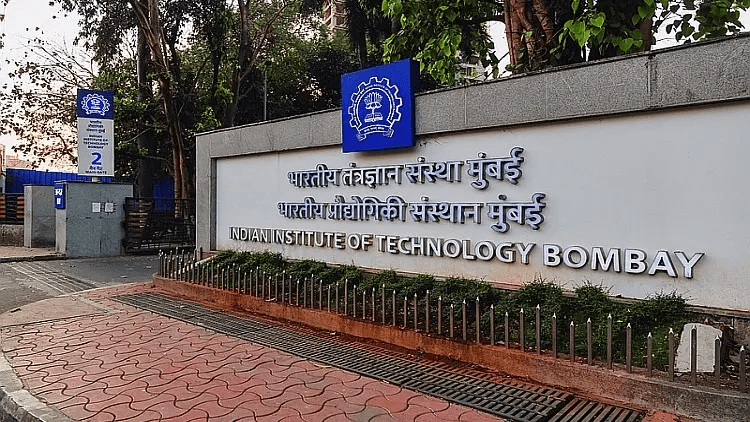
Students at the Indian Institute of Technology (IIT) Bombay have withdrawn their 57-day sit-in protest after recovering most of the belongings seized during a police intervention on campus last month.
The decision followed discussions with the Dean of Student Affairs and an email from institute director Professor Shireesh Kedare outlining steps toward institutional reforms.
The withdrawal also coincides with the institute's end-semester examinations, which began on Nov 10. The protesting students, who had regrouped under the banner of Justice Corner 2.0, described the development as a victory for campus democracy.
However, the students claimed that one laptop belonging to a protest participant was still in the custody of the authorities. They maintained that the return of their belongings was achieved through collective pressure rather than administrative goodwill.
The confrontation at IIT Bombay began on September 18, following the death by suicide of Sahil Wakode, a second-year student. The incident triggered student demonstrations and demands for institutional accountability, improvements in campus support systems and action on several concerns related to student welfare.
IIT Bombay director outlines institutional reform measures
In an email circulated to students on Friday, IIT Bombay Director Professor Shireesh Kedare outlined several initiatives undertaken during the current semester, particularly over the preceding two months, to address concerns raised by students and other campus stakeholders.
The proposed measures cover mental health support, hostel regulations, grievance redressal systems, recreational facilities and campus infrastructure. The institute has also been working to strengthen mechanisms for addressing student concerns and improving the overall campus environment.
According to Kedare, student representatives, faculty members, alumni and institute administrators have been collaborating on these initiatives.
“Meaningful institutional reform is a long-term effort,” Kedare wrote, stressing the importance of patience, consistency and sustained engagement. He said the institute aimed to develop systems that were more responsive to the needs of students, faculty and staff.
The director's communication came as the administration engaged with protesting students over their demands and the steps required to address concerns about campus governance and student welfare.
Justice Corner 2.0 says administration acknowledged lapses
The decision to end the sit-in followed a meeting between student representatives and the Dean of Student Affairs. The Justice Corner collective subsequently shared an update on social media, stating that the administration had acknowledged several shortcomings in existing institutional systems.
The collective said the administration had assured students that their demands were being considered and that steps were being taken to address the issues raised during the protest.
“We’ll hold them to it. Justice Corner will keep watch, follow up, and make sure every promise turns into action,” the collective said.
Announcing the withdrawal, the students said most of their confiscated belongings had been returned. They also referred to the director's email concerning their demands and the possibility of continued discussions with the administration.
“We are calling off our protest today; we have almost all of our confiscated belongings back. We received an email from the Director regarding our demands and future dialogue,” the collective announced.
The group also called for a victory march at 9:30 pm on Nov 13 to mark the end of the sit-in.
Despite withdrawing the protest, students maintained that the administration's commitments would require continued scrutiny. They said the return of their belongings followed sustained collective pressure from the protesting students.
What changed after 57 days of protest at IIT Bombay?
The 57-day agitation following Sahil Wakode's death on Sept 18 brought several student demands and concerns about institutional functioning into focus. The protest also led to commitments from the institute concerning student welfare, mental health services, grievance mechanisms and campus administration.
The developments and measures associated with the students' demands include:
- Mental health support: IIT Bombay announced 30 new counselor positions to strengthen mental health services and provide students with better access to professional support.
- Student demands: The institute director signed the students' charter containing 18 demands on September 20, bringing the concerns raised by the protesting students into formal discussions with the administration.
- Review committees: Committees were constituted to examine the functioning of the SC/ST Cell, hostel conditions and mental health-related concerns on campus.
- Examination rules: The institute began reviewing examination regulations to ensure that students accused of violations have an opportunity to present their defense before action is taken.
- Student feedback mechanisms: Regular surveys were introduced to collect student feedback and identify concerns requiring administrative attention.
- Greater student participation: Student bodies began presenting reports during General Body Meetings, while departmental open houses were held or planned to provide additional opportunities for direct interaction.
- Administrative communication: The institute has sought to improve direct engagement with students on mental health, discrimination, student rights and other campus-related concerns.
- Everyday campus facilities: Changes involving delivery timings were also reported, alongside efforts to make faculty members and administrators more responsive to students' concerns.
Police report and inquiry findings remain pending
Although the sit-in protest has ended, several questions surrounding the incident and the students' demands remain unresolved. Attention has now shifted to the police report and the findings of the inquiry committee established by the IIT Bombay Board of Governors.
Students are still seeking the release of the internal report concerning Sahil Wakode's death. They have also called for an independent investigation into the incident and stronger safeguards for students facing disciplinary allegations.
The review of examination rules is another important aspect of the demands, particularly the need to ensure that students receive an opportunity to defend themselves against allegations of misconduct.
The return of confiscated belongings and the administration's communication have helped end the immediate confrontation. However, the implementation of the announced measures will determine whether the concerns raised during the agitation are adequately addressed.
The students have also clarified that withdrawing the sit-in does not mean abandoning their campaign for accountability and institutional changes.
“We will continue fighting against every injustice,” they said.
With the examinations underway, IIT Bombay now faces the task of translating its commitments into sustained institutional reforms. The outcome of the pending inquiries, implementation of student welfare measures and continued dialogue with campus stakeholders will remain central to the developments following the 57-day protest.
Also read