From Satyagraha to Shikshagraha: ShikshaLokam COO Khushboo Awasthi's vision for education reform
Awasthi stresses the need for a united effort between government, NGOs, and grassroots organizations to foster incremental, impactful changes that will lead to long-term transformation in India’s education system.
Pragya Kumari08 March 2025 10:49
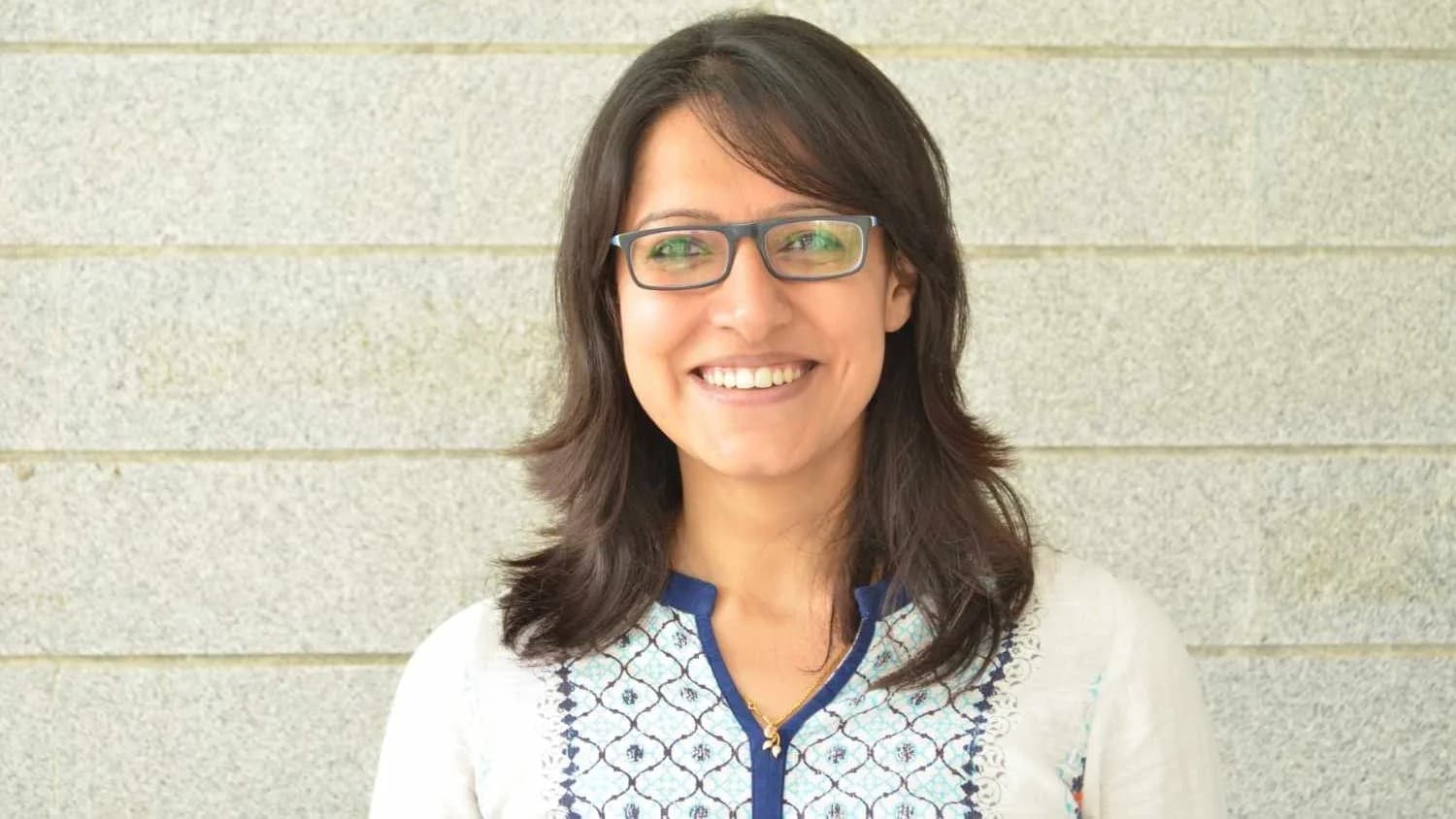
Khushboo Awasthi, co-founder and Chief Operating Officer (COO) of ShikshaLokam, highlights the gradual process required to address India’s public education challenges.
With over 15 years of experience, she emphasizes that reform must be achieved through incremental changes.
ShikshaLokam works with state and Union governments to improve leadership and school programs.
Awasthi is also the co-founder of Mantra4Change, a non-profit focused on systemic public education transformation, and serves on the National Mentoring Mission’s working committee.
In an interview with Mint on International Women’s Day during InvokED 4.0 in Bengaluru, she emphasized the need for a collective public movement to transform India’s one million public schools.
India’s education system, which includes over a million public schools and serves 143 million children, struggles with alarming issues.
Around 3.7 million children drop out of school annually, and 17% of students fail to transition from primary to secondary school, according to UDISE 2023-24.
Furthermore, nearly half of Grade 5 students are unable to read at a Grade 2 level, and more than half of adolescents lack basic arithmetic skills, according to the Annual Status of Education Report (ASER).
These challenges have widened the learning gap, particularly for marginalized communities, perpetuating cycles of poverty.
Additionally, negative perceptions of public schools make many parents unwilling to send their children there, which impacts enrollment and student engagement within communities.
Awasthi's journey in the education sector began when she realized the power of education during her corporate career at Wipro and Honeywell.
"I am an engineer from Bihar, and whatever I could do in life was due to my education," she said.
Along with her husband Santosh, she co-founded Mantra4Change in 2013, aiming to improve public education, particularly for children from marginalized communities.
Their work expanded in 2017 to include collaborations with government bodies, leading to the creation of ShikshaLokam.
ShikshaLokam’s goal is to develop leadership in education through its collaboration with the Ministry of Education and initiatives like Diksha, the national digital infrastructure for teachers.
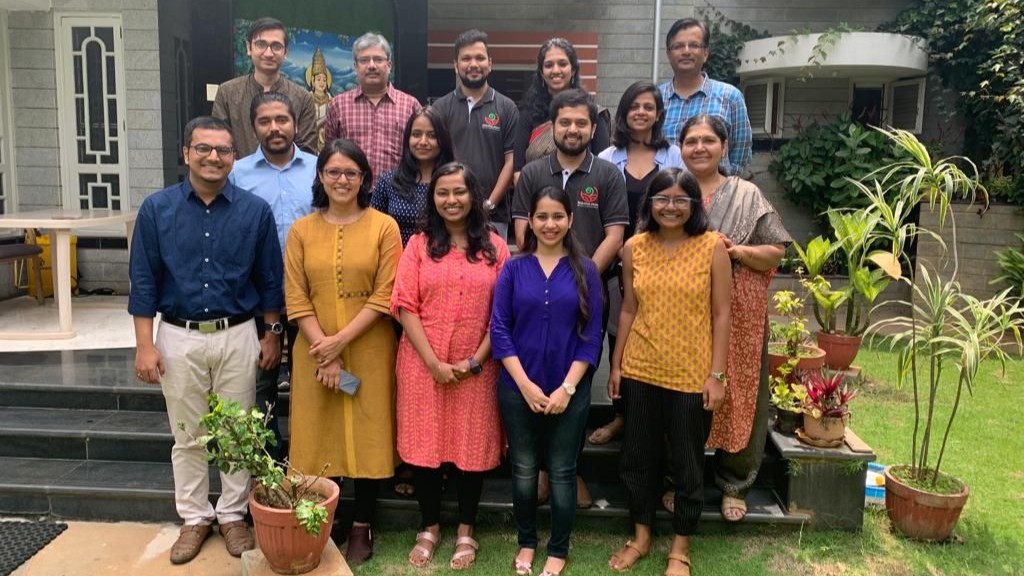
The organization works with around 150 partners in 20 states, creating an ecosystem that includes grassroots organizations and self-help groups.
Awasthi highlighted that in 2022, ShikshaLokam launched Shikshagraha, a public movement inspired by Mahatma Gandhi’s Satyagraha, but focused on education.
"We thought, when we can have a Satyagraha for the freedom movement, why not a Shikshagraha for a movement in education?" She said, emphasizing the initiative's unique, collective approach to educational reform.
Shikshagraha is not just a platform; it is a collective of organizations working together to co-create need-based solutions.
It is not a registered entity but a collaborative network that can include any organization—big or small.
"Earlier, we primarily worked with government organizations, but now smaller grassroots organizations, including self-help groups, have joined us," she explained.
The initiative operates like a ladder, with each organization taking one step at a time, tailored to its context.
ShikshaLokam, for instance, collaborates with the central government, while other organizations like Mantra4Change focus on state-level program design.
"Our aim is to tap into the strengths of different organizations working across various regions of the country,” she highlighted.
Shikshagraha's efforts also include securing funding from organizations like Axis Bank, which supports initiatives in tribal districts of Odisha, demonstrating the power of public-private partnerships.
Awasthi emphasized that lasting change in the public education system cannot happen overnight.
“The idea is to work through micro improvements. We will see changes over time, not instant results,” she said.
These incremental changes can be seen in the progress tracked on the Diksha platform, where over 1 million improvements have been recorded across 20 states.
One example of such progress is Xavier Chandra Kumar, a school leader in Tamil Nadu, who transformed Vallalar Government Higher Secondary School in Villupuram, addressing issues such as drug abuse and improving student engagement.
Recognizing the need for effective leadership in education, ShikshaLokam launched InvokED in 2021.
This initiative aims to stimulate a dialogue on the importance of leadership in school transformation. The event has since become a platform for global stakeholders to exchange ideas.
“Today, InvokED has evolved into a space where key stakeholders, including government officials, NGOs, and philanthropic organizations, come together to share insights and collaborate,” Awasthi added.
She believes that public-private partnerships are essential for enhancing the education system, particularly in rural and underserved communities.
“Public schools, with their vast reach, can serve as engines of equity and opportunity, but only if there is collaboration between the government, civil society, and market players,” she said.
These partnerships combine the strengths of the government’s policies, the innovations of NGOs, and the resources of the private sector to create sustainable, localized solutions.
With this collaborative approach, Awasthi believes that India’s education system is on a path toward gradual but meaningful transformation.