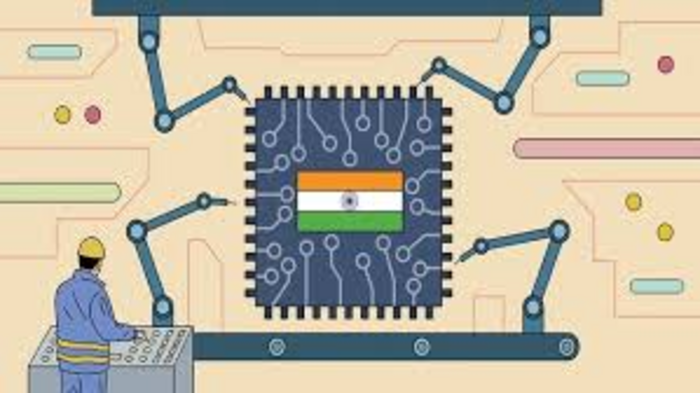
India is accelerating its semiconductor manufacturing efforts under the India Semiconductor Mission, marking a major step toward technological self-reliance and strengthening the country’s electronics ecosystem. The government is actively supporting the establishment of semiconductor fabrication units (fabs), chip assembly plants, and semiconductor design facilities through financial incentives and policy support.
Semiconductors are essential components used in a wide range of products, including smartphones, computers, automobiles, telecommunications equipment, and defence systems. Currently, India depends heavily on imports to meet its semiconductor requirements, making the economy vulnerable to global supply chain disruptions. The COVID-19 pandemic and geopolitical tensions highlighted the risks associated with excessive dependence on foreign semiconductor supplies.

To address this challenge, the government launched the India Semiconductor Mission in 2021 with a financial outlay of ₹76,000 crore. The mission aims to develop a complete semiconductor ecosystem, including manufacturing, design, testing, packaging, and research. Several global and domestic companies have shown interest in setting up semiconductor facilities in India, supported by government incentives and infrastructure development.
The initiative is expected to boost domestic manufacturing, create high-skill employment opportunities, and promote innovation in advanced technologies such as artificial intelligence, 5G, electric vehicles, and defence electronics. It also supports flagship initiatives like Make in India, Digital India, and Atmanirbhar Bharat.
The progress of the Semiconductor Mission is significant for India’s technological and economic security. By developing domestic chip manufacturing capabilities, India can reduce its import dependence, strengthen supply chain resilience, and enhance its strategic autonomy. In the long term, the mission will position India as a key player in the global semiconductor value chain and support sustainable economic growth.