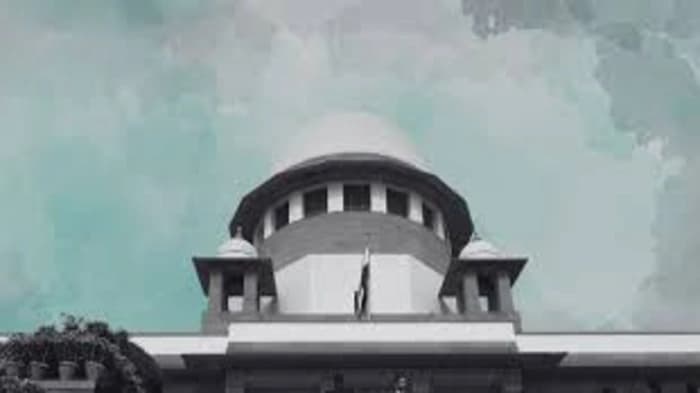
The Supreme Court of India has reiterated that free and fair elections form an integral part of the basic structure of the Constitution, reinforcing the centrality of electoral integrity to Indian democracy. The observation came during judicial proceedings that examined challenges affecting the conduct and fairness of elections in the country.
The Court emphasised the crucial role of the Election Commission of India (ECI) in safeguarding the electoral process. As a constitutional authority, the ECI is entrusted with ensuring impartiality, transparency, and adherence to the rule of law during elections. The Court noted that the Commission must function independently and proactively to address emerging threats to electoral fairness.

Among the key issues highlighted was the growing influence of money power in elections. The Court observed that excessive campaign spending and the misuse of financial resources distort voter choice and undermine the principle of political equality. It stressed the need for stricter enforcement of expenditure limits and greater transparency in political funding to preserve the sanctity of elections.

The judiciary also drew attention to the challenge of misinformation, particularly in the digital space. The rapid spread of false or misleading information through social media platforms poses serious risks to informed voter decision-making. The Court underlined the responsibility of regulatory bodies and platforms to address misinformation without curbing legitimate political expression.
Additionally, the use of technology in elections, including electronic voting systems and digital campaigning, was acknowledged as a double-edged sword. While technology enhances efficiency and accessibility, it also raises concerns related to security, transparency, and public trust.
The Supreme Court’s observations reinforce the need for institutional vigilance, legal reforms, and responsible use of technology to ensure that India’s electoral process remains free, fair, and credibl