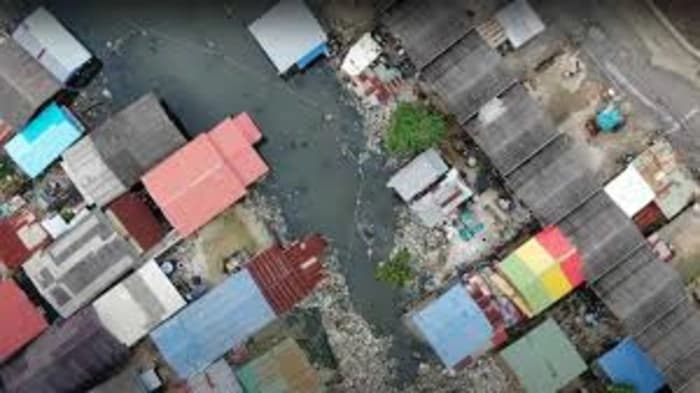
Unseasonal and intense rainfall in several Indian cities has once again brought the issue of urban flooding into sharp focus, exposing deep-rooted deficiencies in city planning and infrastructure. Roads submerged within hours, public transport disrupted, and residential areas waterlogged, underscoring the vulnerability of urban centres to even moderate rainfall events.
One of the core issues is the poor state of stormwater drainage infrastructure. In many cities, drainage systems are outdated, undersized, or poorly maintained, making them incapable of handling sudden heavy rainfall. Rapid urbanisation has further worsened the problem, as natural water bodies, wetlands, and floodplains have been encroached upon or concretised, reducing the city’s natural capacity to absorb excess water.


Climate change has emerged as a significant stress multiplier. Changing rainfall patterns, including more frequent short-duration, high-intensity showers, are overwhelming existing urban infrastructure. Cities that were designed based on historical rainfall data are increasingly ill-equipped to cope with these new climatic realities, leading to recurrent flooding and economic losses.
Another major challenge is weak coordination among civic bodies and urban planning authorities. Fragmented responsibilities between municipal corporations, development authorities, and state agencies often result in poor execution of drainage projects and delayed response during emergencies. Lack of integrated urban planning further aggravates the issue, as stormwater management is rarely aligned with land-use planning and transport infrastructure.
The recurring episodes of urban flooding highlight the urgent need for climate-resilient city planning. Strengthening drainage systems, restoring urban wetlands, adopting nature-based solutions, and improving inter-agency coordination are essential to make Indian cities more resilient and sustainable in the face of growing climate risks.