Municipal corporation elections held across Maharashtra have drawn significant public attention, with high voter turnout reflecting a growing awareness of urban governance and the everyday issues that directly affect city residents. The polls covered several major urban centres and became an important barometer of public sentiment on the performance of local administrations and political leadership at the city level.
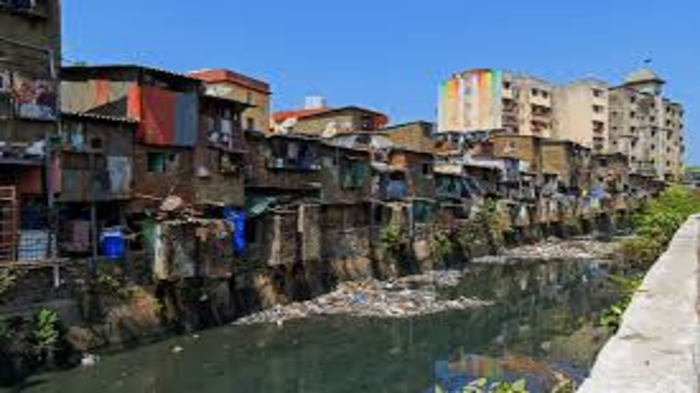
Campaign debates and voter priorities were largely centred on practical civic concerns rather than broader ideological issues. Urban infrastructure, including road conditions, water supply, drainage systems, and public transport, featured prominently in electoral discourse. Waste management and sanitation, long-standing challenges in rapidly expanding cities, also emerged as key issues, alongside concerns over environmental sustainability, air quality, and the availability of public green spaces. Citizens increasingly linked these issues to the effectiveness and accountability of municipal bodies.

The elections highlighted the critical role played by Urban Local Bodies in managing India’s fast-growing cities. As migration and urbanisation accelerate, municipal corporations are under pressure to deliver services to expanding populations with limited financial and administrative capacity. The strong voter participation suggests rising public expectations from elected councillors and may push local governments toward greater transparency, responsiveness, and performance-driven governance.
Another notable aspect of the polls was the emphasis on local accountability. Voters evaluated candidates based on their accessibility, track record, and ability to resolve neighbourhood-level problems. This shift indicates a maturing urban electorate that views municipal elections not as secondary contests, but as a meaningful avenue to influence day-to-day governance.
Overall, the Maharashtra municipal elections underline both the vitality of grassroots democracy in urban India and the structural challenges facing city governance. While active citizen engagement strengthens decentralised decision-making, the results also point to the need for stronger institutional capacity, better urban planning, and more empowered municipal bodies to meet the complex demands of modern cities.





.jfif&w=256&q=75)