||

Connecting Communities, One Page at a Time.

advertisement
advertisement

India Strengthens Maritime Security in Indian Ocean

Increased naval deployments and anti-piracy operations aim to protect vital trade routes and reinforce India’s role as a key security provider in the Indo-Pacific regionIndia has stepped up naval deployments across the Indian Ocean to enhance maritime security and safeguard critical sea lanes of communication. The move comes amid rising concerns over piracy, geopolitical competition, and disruptions to global shipping routes. Given that nearly 90% of India’s trade by volume is transported via sea, ensuring the safety of maritime corridors remains a strategic priority. The Indian Navy has increased surveillance missions, coordinated patrols, and joint exercises with partner countries to maintain stability in the region. These deployments reflect India’s commitment to its vision of Security and Growth for All in the Region (SAGAR). Key Highlights • Expanded anti-piracy patrols near vulnerable shipping lanes. • Enhanced coordination with regional navies and international maritime forces. • Deployment of advanced surveillance aircraft and warships. • Protection of vital trade routes linking Asia, Africa, and Europe. India has also strengthened maritime domain awareness through satellite monitoring and real-time information sharing mechanisms. These measures aim to deter non-traditional security threats such as piracy, smuggling, and maritime terrorism. Significance The initiative ensures secure trade routes and contributes to global trade stability, especially at a time of geopolitical tensions and supply chain disruptions. A stable Indian Ocean is crucial not only for India’s energy security but also for the broader Indo-Pacific economic architecture. Strategically, enhanced maritime presence reinforces India’s role as a net security provider in the region. It supports diplomatic outreach, strengthens defence partnerships, and upholds freedom of navigation under international law. The move signals India’s proactive approach in safeguarding national interests while contributing to regional peace and stability.

Deeksha Upadhyay 23 February 2026 11:27

India Strengthens Maritime Security in Indian Ocean

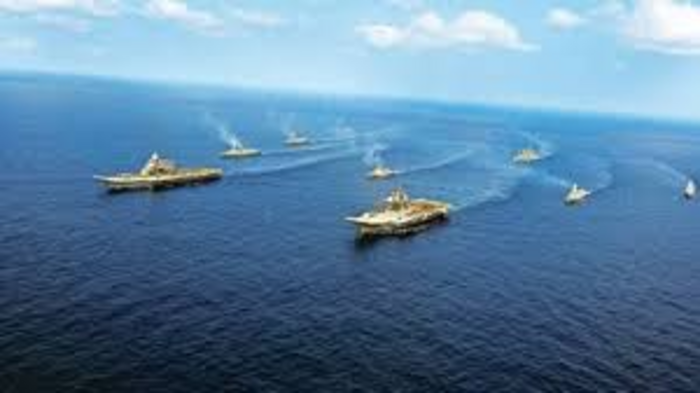
India has stepped up naval deployments across the Indian Ocean to enhance maritime security and safeguard critical sea lanes of communication. The move comes amid rising concerns over piracy, geopolitical competition, and disruptions to global shipping routes. Given that nearly 90% of India’s trade by volume is transported via sea, ensuring the safety of maritime corridors remains a strategic priority.

The Indian Navy has increased surveillance missions, coordinated patrols, and joint exercises with partner countries to maintain stability in the region. These deployments reflect India’s commitment to its vision of Security and Growth for All in the Region (SAGAR).

Advertisement

Key Highlights

  • Expanded anti-piracy patrols near vulnerable shipping lanes.
  • Enhanced coordination with regional navies and international maritime forces.
  • Deployment of advanced surveillance aircraft and warships.
  • Protection of vital trade routes linking Asia, Africa, and Europe.

India has also strengthened maritime domain awareness through satellite monitoring and real-time information sharing mechanisms. These measures aim to deter non-traditional security threats such as piracy, smuggling, and maritime terrorism.

Significance

The initiative ensures secure trade routes and contributes to global trade stability, especially at a time of geopolitical tensions and supply chain disruptions. A stable Indian Ocean is crucial not only for India’s energy security but also for the broader Indo-Pacific economic architecture.

Strategically, enhanced maritime presence reinforces India’s role as a net security provider in the region. It supports diplomatic outreach, strengthens defence partnerships, and upholds freedom of navigation under international law. The move signals India’s proactive approach in safeguarding national interests while contributing to regional peace and stability.


Also Read


    advertisement