


US Tariff Waiver Offers India Temporary Relief, but Trade Uncertainty Remains
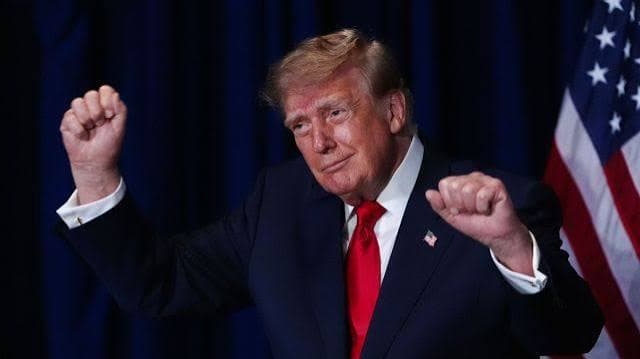
The United States has temporarily eased the threat of additional tariffs on major buyers of Russian oil and gas, giving India more time to navigate its trade and energy interests. However, the waiver announced by President Donald Trump on October 16 does not repeal the Lindsey O. Graham Sanctioning Russia and Iran Act, leaving the possibility of renewed pressure open.
Signed on September 18, the Act authorised tariffs of up to 500 per cent on direct US imports from Russia and up to 100 per cent on goods from major purchasers of Russian crude and gas if they continued buying Russian energy. India and China were among the countries exposed to the threat.

US Secretary of State Marco Rubio said the administration would take around 60 days to assess the implications. The move follows Trump's October 9 remarks that Russia would supply several million tonnes of diesel to US and global markets, highlighting the administration's discretion in applying economic pressure.
India already faces duties of up to 50 per cent on several products exported to the US, including an additional 25 per cent linked to Russian oil purchases imposed in August 2025. An interim India-US trade agreement announced in February 2026 remains unsigned.
The tariff waiver reflects a broader pattern in US trade policy under Trump, in which tariff threats are used to push trading partners towards negotiations. While countries such as the United Kingdom, Japan and the European Union have reached arrangements with Washington, Canada has retaliated against US tariffs, resulting in further trade restrictions.
China has also demonstrated its negotiating leverage. Following recent talks between the two countries, Washington and Beijing agreed to reduce tariffs on around $30 billion worth of goods in each direction and extend their trade truce until January 10, 2027.
For India, the challenge is to balance affordable and reliable energy supplies against access to the US market. Disruptions in the Strait of Hormuz following the US-Israel campaign against Iran have further complicated energy choices for Asian importers.
During his recent visit, Rubio described the India-US trade deal as “very, very close” and highlighted India's refining capacity, including its potential to process Venezuelan crude. However, the discussions have not yet finalised the agreement or settled India's future oil sourcing decisions.
The waiver has reduced immediate tariff pressure but has not eliminated the underlying risk. India's next challenge will be to use the temporary relief to advance trade negotiations while protecting its energy security.

Abu Dhabi aims to bring 2,000 Emirati teachers into private schools within five years

Budget Support to Strengthen Carbon Capture Research and Infrastructure
Trump Administration Retains Leverage Through Sanctions Act
New Questions on Digital Platform Employment from January

Husband’s Responsibility Does Not Extend to Married, Able-Bodied Brother
Abu Dhabi aims to bring 2,000 Emirati teachers into private schools within five years

Australian schools record thousands of student sexual misconduct reports as child safety concerns grow

Egypt insists international schools include Arabic, history in final scores

China’s Chery unveils AI companion robot designed to ease loneliness

New Zealand reforms could leave more students without school qualifications

Abu Dhabi aims to bring 2,000 Emirati teachers into private schools within five years
Budget Support to Strengthen Carbon Capture Research and Infrastructure
Trump Administration Retains Leverage Through Sanctions Act
New Questions on Digital Platform Employment from January
Husband’s Responsibility Does Not Extend to Married, Able-Bodied Brother
Abu Dhabi aims to bring 2,000 Emirati teachers into private schools within five years
Australian schools record thousands of student sexual misconduct reports as child safety concerns grow
Egypt insists international schools include Arabic, history in final scores
China’s Chery unveils AI companion robot designed to ease loneliness
New Zealand reforms could leave more students without school qualifications
Copyright© educationpost.in 2026 All Rights Reserved.