


The indigenous Mahe-class anti-submarine warfare vessel will strengthen coastal surveillance, protect critical maritime infrastructure and improve India’s ability to detect underwater threats
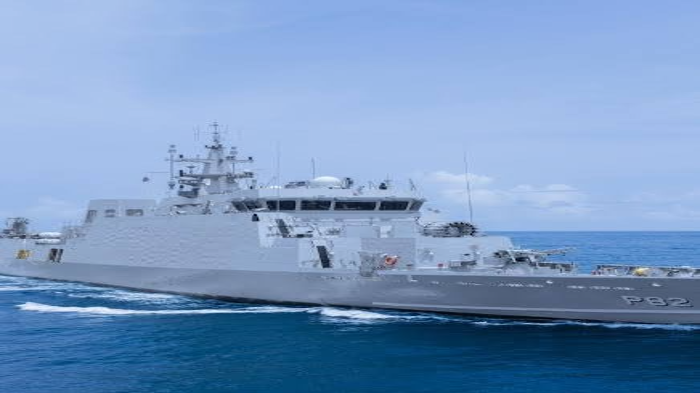
The Indian Navy commissioned INS Mangrol at the Naval Dockyard in Mumbai on October 12, 2026, marking an important step in strengthening India’s coastal defence and anti-submarine warfare capabilities. It is the third of eight Mahe-class Anti-Submarine Warfare Shallow Water Craft (ASW-SWC) being built by Cochin Shipyard Limited (CSL) in Kochi.
INS Mangrol is designed to detect, track and engage submarines operating in shallow coastal waters. These areas, known as littoral zones, are strategically important because they include harbour approaches, shipping routes, naval bases and offshore energy installations.

The vessel features a diesel engine-waterjet propulsion system that improves manoeuvrability and reduces underwater noise. It is 78 metres long, can reach a maximum speed of 25 knots (approximately 46 kmph), and has an operational range of around 3,333 kilometres without refuelling.
Its advanced sonar and radar systems, torpedoes and anti-submarine rockets enable it to identify and respond to underwater threats. The ship can also support underwater surveillance, search and rescue, mine-laying and low-intensity maritime operations.
The induction of INS Mangrol is part of a wider programme to strengthen India’s indigenous naval capabilities. The Defence Acquisition Council approved the procurement of 16 shallow-water anti-submarine warfare vessels in December 2013. Cochin Shipyard Limited is constructing eight Mahe-class vessels, while Garden Reach Shipbuilders and Engineers (GRSE), Kolkata, is building eight Arnala-class vessels.
With more than 80% indigenous content across the programme, the project reflects India’s efforts to develop domestic expertise in naval design, shipbuilding and defence technology.
These vessels are particularly important for India, which has an extensive coastline, numerous ports and strategically significant islands. They will help address the limitations of ageing coastal anti-submarine platforms and strengthen protection against stealthy diesel-electric submarines.
INS Mangrol will also complement coastal radar networks, underwater sensors and maritime patrol aircraft, creating a more coordinated maritime surveillance system. By handling coastal anti-submarine missions, these vessels will allow larger warships to concentrate on operations in deeper waters.
The commissioning of INS Mangrol therefore strengthens India’s capacity to safeguard its coastal waters and critical maritime assets while contributing to broader maritime security in the Indian Ocean Region.
Hunter of Underwater Threats: Why INS Mangrol Is Important for the Indian Navy

Delhi Protests Renew Debate Over Constitutional Right to Peaceful Assembly

Household Inflation Rises to 5.54% in September as Price Pressures Spread

Delhi High Court Allows Urgent Hearing on Protest Site Guidelines

India Rejects China’s Objection to Standardised Names of Places in Ladakh

Karnataka student elections return after 37 years: Why political restrictions and university polls remain contentious

Global education is shifting from simply going abroad to creating more flexible routes to opportunity

Delhi Police files FIR against Congress MP Bimol Akoijam over JNU sexual harassment allegations

Utkal University tightens security after late-night explosions ahead of student polls

IET India Scholarship Award 2026: DTU’s Kush Garg wins top honor for AI device for neurodivergent children

Hunter of Underwater Threats: Why INS Mangrol Is Important for the Indian Navy
Delhi Protests Renew Debate Over Constitutional Right to Peaceful Assembly
Household Inflation Rises to 5.54% in September as Price Pressures Spread
Delhi High Court Allows Urgent Hearing on Protest Site Guidelines
India Rejects China’s Objection to Standardised Names of Places in Ladakh
Karnataka student elections return after 37 years: Why political restrictions and university polls remain contentious
Global education is shifting from simply going abroad to creating more flexible routes to opportunity
Delhi Police files FIR against Congress MP Bimol Akoijam over JNU sexual harassment allegations
Utkal University tightens security after late-night explosions ahead of student polls
IET India Scholarship Award 2026: DTU’s Kush Garg wins top honor for AI device for neurodivergent children
Copyright© educationpost.in 2026 All Rights Reserved.