


India Meteorological Department forecasts above-normal temperatures in 2026, raising concerns over agriculture, public health, and climate resilience
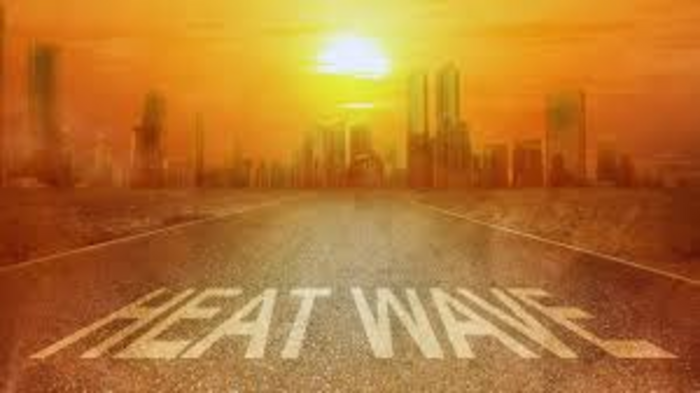
India is likely to experience a hotter-than-normal summer in 2026, according to the India Meteorological Department (IMD), which has warned of increased heatwave conditions across several regions. The forecast highlights rising average temperatures and changing climate patterns that may significantly affect agriculture, water availability, and public health.
The IMD reported that February 2026 was among the warmest recorded since 1901, reflecting a broader trend of rising temperatures linked to global climate change. The department has projected above-normal maximum temperatures across northern, central, and western India during the summer months, increasing the likelihood of frequent and intense heatwaves.

Heatwaves pose a major threat to India’s agricultural sector, particularly affecting wheat and other rabi crops. Higher temperatures during the grain-filling stage can reduce crop yields, potentially impacting food security and farmers’ incomes. In addition, prolonged heat conditions can increase water demand, strain irrigation systems, and worsen drought-like conditions in vulnerable regions.
Public health is another major concern, as extreme heat increases the risk of heatstroke, dehydration, and other heat-related illnesses, especially among vulnerable populations such as elderly citizens, children, and outdoor workers. Urban areas may face intensified heat stress due to the urban heat island effect.
The warning underscores the growing impact of climate change on India’s environment and economy. Experts emphasize the need for effective heat action plans, climate-resilient agriculture, water conservation measures, and improved early warning systems to reduce the adverse effects of extreme heat.
The forecast highlights the importance of strengthening disaster preparedness and climate adaptation strategies to protect livelihoods, ensure food security, and build long-term environmental sustainability.
DU VC asks DUSU leaders to lead drug-free campus campaign, proposes wellness centers

University of Jordan retains place among Arab region’s top 10 in QS rankings 2027
.jpg&w=256&q=75)
From Class 8 to hospital owner: Rajasthan Police expose alleged fake doctor registration

Goldsmiths strike drags on for 130 days, becoming longest in UK university history

ENTOD Pharmaceuticals Partners with DPGU and BNCP to Advance Pharmaceutical Research
From Class 8 to hospital owner: Rajasthan Police expose alleged fake doctor registration

Who will lead Keralam's universities? Government begins steps to appoint permanent VCs
%20(1)%20(1).jpeg&w=256&q=75)
Why does cracking JEE Advanced depend on coaching? IIT Kanpur Director calls for a revamp
.jpg&w=256&q=75)
NEET-PG 2026 answer key row: Supreme Court seeks NBEMS response on missing question papers
.png&w=256&q=75)
42 Iraqi universities feature in QS Arab Region University Rankings 2027

DU VC asks DUSU leaders to lead drug-free campus campaign, proposes wellness centers
University of Jordan retains place among Arab region’s top 10 in QS rankings 2027
From Class 8 to hospital owner: Rajasthan Police expose alleged fake doctor registration
Goldsmiths strike drags on for 130 days, becoming longest in UK university history
ENTOD Pharmaceuticals Partners with DPGU and BNCP to Advance Pharmaceutical Research
From Class 8 to hospital owner: Rajasthan Police expose alleged fake doctor registration
Who will lead Keralam's universities? Government begins steps to appoint permanent VCs
Why does cracking JEE Advanced depend on coaching? IIT Kanpur Director calls for a revamp
NEET-PG 2026 answer key row: Supreme Court seeks NBEMS response on missing question papers
42 Iraqi universities feature in QS Arab Region University Rankings 2027
Copyright© educationpost.in 2026 All Rights Reserved.