The government has notified the new Corporate Average Fuel Economy (CAFE-III) norms for passenger vehicles, setting stricter fuel-efficiency requirements for automobile manufacturers. The new framework will come into effect from April 1, 2027, and remain applicable until March 31, 2032.

Introduced under the Energy Conservation Act in 2017, CAFE norms regulate the average fuel consumption and associated carbon emissions of a manufacturer’s fleet rather than requiring every individual vehicle model to meet an identical efficiency standard.
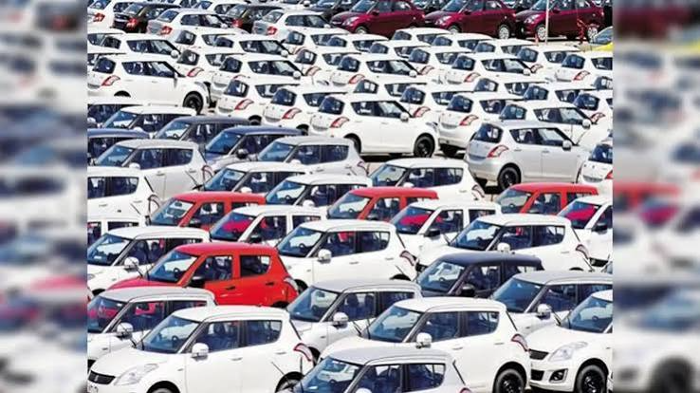
The CAFE-III framework will cover M1-category passenger vehicles manufactured or imported for sale in India. It provides for progressively tighter fuel-efficiency targets each year over the five-year period, encouraging manufacturers to improve vehicle technology and reduce emissions.
A key feature of the system is the fleet-level calculation based on the weighted average unladen mass of vehicles sold by a manufacturer. The annual fuel-consumption target will be determined through a prescribed formula involving the fleet’s average weight, a reference weight of 1,229 kg and a baseline fuel-consumption target.
The new norms also provide manufacturers greater flexibility to adopt cleaner technologies, alternative fuels and innovative solutions. Technologies such as high-efficiency air-conditioning systems and solar-reflective paints have been recognised for their potential contribution to improved fuel efficiency.
CAFE-III also introduces a Carbon Neutrality Factor to recognise the role of renewable and low-carbon fuels, including ethanol-blended petrol, biofuels and compressed biogas (CBG).
The number of recognised fuel-conservation technologies has been expanded from four to 12 under the new framework. Electric and alternative-powertrain vehicles, including Battery Electric Vehicles, Range-Extended Electric Vehicles, Plug-in Hybrid Electric Vehicles, Strong Hybrid Electric Vehicles and Flex-Fuel Vehicles, will receive ‘super credits’ in fleet-average calculations.
Overall, CAFE-III seeks to combine stricter efficiency targets with technological flexibility, encouraging automakers to invest in cleaner mobility while supporting India’s broader energy-efficiency and emissions-reduction goals.