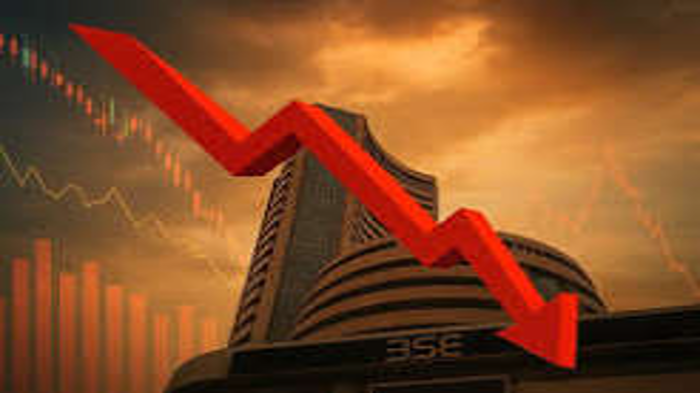
: Indian equity markets witnessed a sharp decline on Thursday, with the benchmark Sensex falling more than 1,000 points as investors reacted to the Reserve Bank of India’s (RBI) unexpected shift towards a tighter monetary policy stance.
The BSE Sensex declined 1,045.46 points, or 1.4 per cent, to close at 71,593.24, its lowest level since February 2024. The Nifty 50 also fell 1.6 per cent to 22,231, marking its lowest level in nearly 18 months.

The sell-off followed the RBI’s decision to raise the repo rate by 25 basis points and change its policy stance from “neutral” to “calibrated tightening”. While the rate hike had been largely anticipated, the change in stance surprised investors and raised concerns that borrowing costs could remain elevated for longer.
Rate-sensitive stocks were among the biggest losers. Companies including Adani Enterprises, JSW Steel, InterGlobe Aviation and Adani Ports declined by up to 5 per cent. Metals, real estate, and oil and gas stocks also faced significant pressure as higher interest rates increase financing costs for capital-intensive businesses.
The rupee remained broadly stable at Rs 96.78 against the US dollar after declining sharply following the RBI policy announcement.
Market analysts said the RBI’s hawkish stance has increased uncertainty over the pace and extent of future rate hikes. Some analysts expect another 25-basis-point increase in December, while others have warned of a deeper tightening cycle.
Concerns over rising inflation, high crude oil prices amid the West Asia conflict and the possibility of El Nino conditions have further complicated the outlook.
Higher interest rates can weigh on stock markets by increasing borrowing costs, reducing consumer demand and putting pressure on corporate valuations and earnings. Investors are now expected to closely track upcoming second-quarter corporate results for signs of economic resilience.