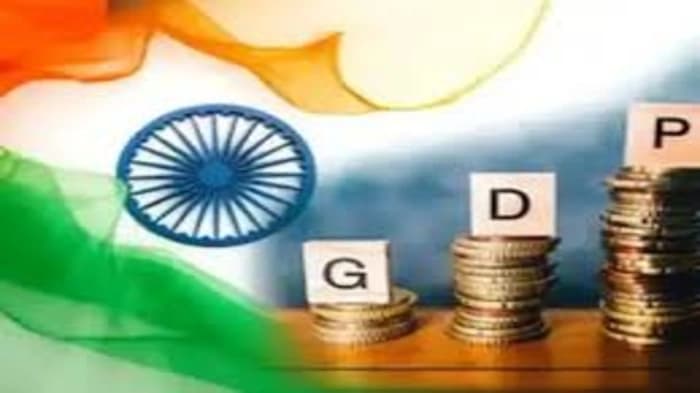
At the beginning of 2026, government assessments and policy think-tank projections indicated a steady growth outlook for the Indian economy, even as fiscal consolidation remained a central policy objective. The emphasis reflects a calibrated macroeconomic strategy that seeks to combine growth-enhancing public investment with long-term fiscal discipline.
India’s GDP growth in 2026 is expected to be driven primarily by public capital expenditure, infrastructure expansion, and resilient domestic consumption. Continued investment in roads, railways, ports, digital infrastructure, and urban development is expected to crowd in private investment, generate employment, and raise productivity. Public capex has emerged as a key counter-cyclical tool, particularly amid uncertain global economic conditions.

At the same time, the government has reiterated its commitment to reducing the fiscal deficit in a gradual and non-disruptive manner. Fiscal prudence is essential for maintaining macroeconomic stability, containing inflationary pressures, and preserving investor confidence. A credible consolidation path also supports India’s sovereign credit profile and provides greater flexibility to respond to future economic shocks.
Balancing growth and consolidation, however, requires careful management of welfare priorities. Social sector spending on food security, health, education, and employment remains critical for inclusive growth and social stability. Rising interest payments and subsidy demands constrain fiscal space, making expenditure quality and targeting increasingly important.
Policy focus is therefore shifting towards improving efficiency rather than cutting expenditure. Measures such as Direct Benefit Transfers (DBT), rationalisation of subsidies, asset monetisation, disinvestment, and enhanced tax compliance are expected to support both revenue mobilisation and expenditure optimisation. Strengthening state-level fiscal discipline is also crucial, given the role of states in public investment and service delivery.
In conclusion, India’s economic outlook for 2026 reflects a pragmatic policy balance—leveraging growth-oriented public investment while restoring fiscal health. Sustaining this balance will be vital for achieving high, inclusive, and resilient growth in the medium term.