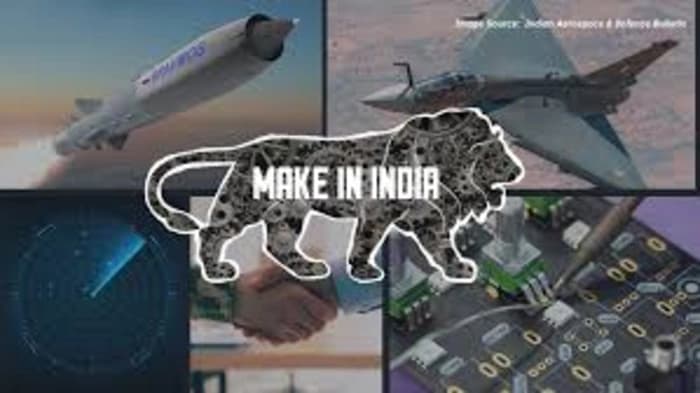
In 2026, India’s defence preparedness agenda continued to prioritise indigenisation and exports as key pillars of strategic self-reliance. A review by the Ministry of Defence highlighted steady progress in domestic defence manufacturing, increased participation of private industry, and rising defence exports, reflecting a structural shift in India’s defence ecosystem.
Historically, India’s heavy dependence on imported defence equipment exposed it to supply disruptions, foreign exchange pressures, and strategic vulnerabilities. To address this, the government has implemented a range of policy reforms, including positive indigenisation lists, revised defence acquisition procedures, and incentives for domestic manufacturing. Defence Public Sector Undertakings (DPSUs), private firms, and start-ups are increasingly collaborating to develop indigenous platforms, systems, and sub-systems.

Private-sector participation has expanded significantly, bringing in efficiency, innovation, and advanced manufacturing capabilities. Indian companies are now contributing to critical areas such as artillery systems, naval vessels, unmanned platforms, and electronic warfare equipment. This diversification of suppliers enhances competition and reduces over-reliance on a limited number of foreign vendors.
Defence exports have emerged as an important outcome of the indigenisation drive. Indian defence products are gaining acceptance in global markets, particularly among developing countries seeking cost-effective and reliable alternatives. Export growth not only supports economic objectives but also strengthens diplomatic relations and defence partnerships, reinforcing India’s role as a responsible security provider.
Indigenisation directly strengthens strategic autonomy by ensuring assured access to critical defence equipment during crises. It also allows better customisation of platforms to India’s operational requirements and fosters technological advancement within the country. Additionally, the defence manufacturing ecosystem generates skilled employment and supports the broader industrial base.
Despite progress, challenges remain, including technological gaps in high-end systems, R&D funding constraints, and procurement delays. Addressing these issues through sustained investment, deeper public–private collaboration, and global technology partnerships will be crucial.
In conclusion, defence indigenisation and exports in 2026 represent a decisive step towards Atmanirbhar Bharat, enhancing national security, economic resilience, and strategic autonomy.