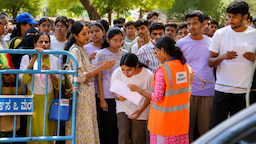
As nearly 23 lakh students prepare for the NEET-UG 2026 re-examination on June 21, a growing debate has emerged over accountability, student welfare and the human cost of one of the biggest examination crises in recent years.
The controversy began after the National Testing Agency (NTA) cancelled the May 3 NEET-UG examination following evidence that the integrity of the examination process had been compromised.

The decision, unprecedented in the history of the medical entrance test, forced students across the country to prepare for a fresh examination weeks after completing the original one.
Since then, reports of student suicides have triggered concern among parents, educators and student groups. The Indian Express reported that at least 12 suicides were recorded in the 37 days between the cancellation of the examination and the scheduled re-test, intensifying concerns about the mental-health burden created by high-stakes entrance examinations and prolonged uncertainty.
Against this backdrop, the Cockroach Janta Party (CJP), a youth-led movement that has gained prominence during the examination controversy, has demanded ₹1 crore compensation for the families of students who died by suicide.
CJP founder Abhijeet Dipke has also renewed calls for Union Education Minister Dharmendra Pradhan's resignation, arguing that administrative failures led to a crisis that affected millions of students.
The demand has shifted public attention beyond compensation itself. While financial assistance may provide support to affected families, critics argue that the larger issue is whether institutional accountability has been adequately addressed after a national examination involving millions of students had to be cancelled and reconducted.
The government, meanwhile, has defended its response. The NTA has repeatedly stated that the re-test is being conducted under an unprecedented security framework.
Authorities have introduced two-layer security for examination materials, placed paper setters under strict isolation, increased surveillance at centres and involved multiple agencies to prevent any repeat of the earlier irregularities.
Education Minister Dharmendra Pradhan has also publicly addressed concerns over the examination and assured students that the re-test would be conducted fairly and transparently.
However, for many students and parents, the debate has moved beyond examination logistics. The controversy has raised broader questions about the pressure associated with competitive entrance examinations, the effectiveness of safeguards against paper leaks, and the responsibility of institutions when lapses disrupt the academic future of millions.
As the country prepares for the June 21 re-test, the central question remains unresolved: can compensation and tighter security measures adequately address the loss, anxiety and erosion of trust caused by the crisis, or will demands for deeper accountability continue long after the examination is over?