


The inquiry highlights the need for stricter monitoring, transparent investigations, and accountability mechanisms to ensure safe learning environments and prevent harassment across medical institutions.
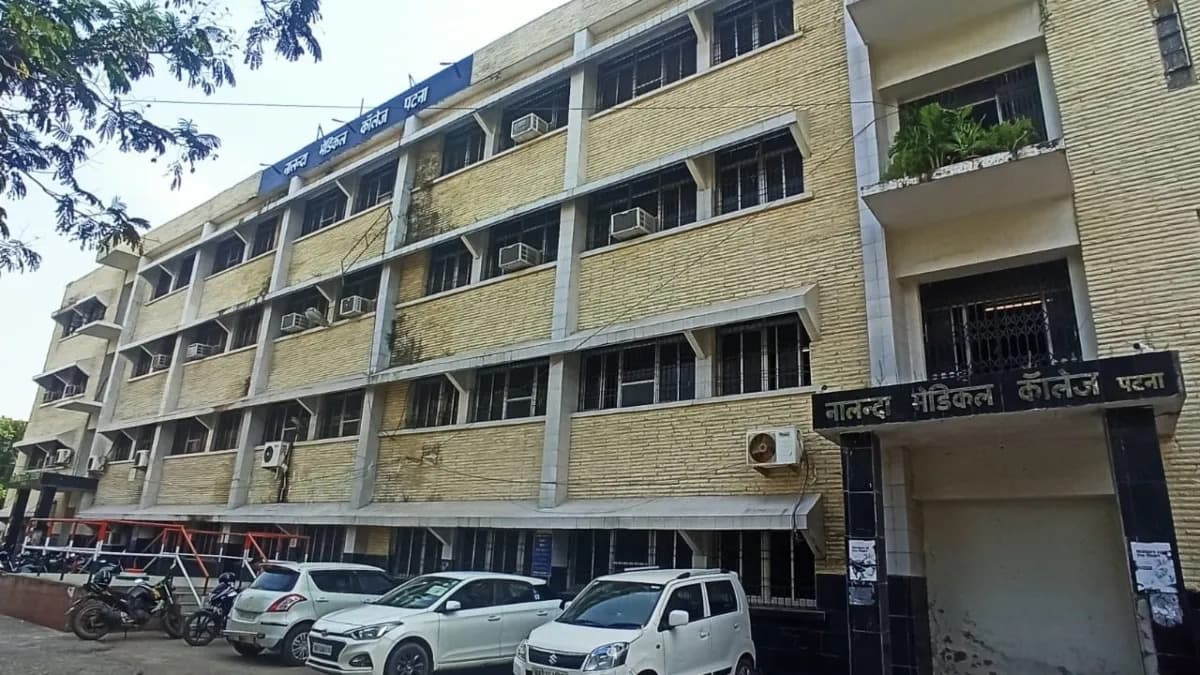
Nalanda Medical College and Hospital (NMCH) in Patna has suspended 146 students from its MBBS 2025 batch for three months over allegations of ragging involving junior female students. The college administration has also directed the affected students to vacate their hostels and leave the campus within 24 hours, according to reports.
The controversy has drawn the attention of the National Medical Commission (NMC), the All India Anti-Ragging Committee and the Bihar government's Grievance Cell. The authorities have reportedly sought explanations from the college administration regarding the alleged incidents and the steps taken to prevent ragging.

The allegations include claims that junior female students were taken to a hostel rooftop around midnight and subjected to harassment. Complaints also raised concerns about a document titled Rulebook 2026, which reportedly circulated among newly admitted students through mobile phones.
The college has initiated an inquiry into the complaints and the circulation of the document. The administration is examining who prepared the PDF, who distributed it and whether other individuals were involved.
Junior female students allegedly taken to hostel rooftop at night
The controversy emerged after complaints alleged that junior female students living in the college hostel were taken to the rooftop around midnight and subjected to ragging. The reported incidents prompted the administration to investigate the alleged misconduct.
Another allegation concerns junior students being stopped and asked to disclose their names and addresses. The complaints have raised questions about the treatment of newly admitted students and the safeguards available to protect them from harassment.
The college's Anti-Ragging Committee initiated an inquiry into the allegations. The committee, chaired by Principal Professor Dr Usha Kumari, reportedly questioned students from different batches to examine the complaints and gather information.
According to reports, the questioning continued for approximately three hours. Students from batches spanning 2023 to 2026 were reportedly examined as part of the proceedings.
The administration subsequently initiated disciplinary action against the 2025 MBBS batch. However, the individual roles of students named in the circulated document have not yet been established, and the allegations remain subject to investigation.
146 MBBS students suspended, hostel evacuation ordered
The college administration has suspended 146 students belonging to the MBBS 2025 batch for three months. Reports state that the students will not be permitted to attend classes until January 2027.
The administration has also directed the affected students to leave their hostels and vacate the campus within 24 hours. The action follows complaints about alleged ragging and the circulation of the purported Rulebook 2026 PDF.
Reports have also described action against students from the 2023 and 2024 batches. Some accounts state that notices were issued directing them to vacate their hostels, while others describe their suspension pending further orders.
The administration is expected to hear the students' accounts before determining the next steps. The college principal has stated that the complaints will be examined to establish their validity and ensure that students who are not responsible do not suffer unfair consequences.
Rulebook 2026 PDF raises questions over alleged senior-junior practices
The circulation of a purported Rulebook 2026 PDF has emerged as another major aspect of the controversy. The document reportedly reached newly admitted students through their mobile phones and contained photographs, student names and instructions presented as rules for the batch.
According to reports, the PDF included photographs of the principal and teachers from three departments. It also contained the names of 146 students from the 2025 MBBS batch.
The document reportedly outlined separate dress codes for male and female students, guidelines concerning aprons and a list of 15 so-called golden rules. It also included a Hindi introduction format for students to introduce themselves to seniors using the salutation "Pranam Boss-Man."
Other reported instructions directed junior students to address seniors using terms such as "Boss-Ma'am," stand in a specified posture in their presence and avoid looking directly into their eyes. The document also reportedly instructed students not to argue with seniors and teachers.
The PDF reportedly referred to behaving well like "Doctor Sam" and concluded with the phrase "All the Best 2025 Batch."
The contents have raised questions about whether the instructions were intended to enforce senior-junior practices associated with ragging. However, the document's authenticity and its status as an authorized college publication have not been independently established.
The administration is investigating whether the PDF originated within the college, a hostel, a student group or another source. It is also examining who created and circulated the document and whether other individuals participated in its preparation or distribution.
The presence of photographs, names and institutional references in the document does not, by itself, establish that the college formally approved its contents. Determining its origin and authorization is therefore an important part of the ongoing inquiry.
NMC seeks clarification on Rulebook 2026 and anti-ragging safeguards
The National Medical Commission has reportedly sought clarification from the college administration on several aspects of the case. These include the authenticity of the Rulebook 2026 PDF, its possible circulation through the college or hostels, and the source responsible for its creation and distribution.
The commission has also sought information about the measures adopted by the institution to prevent ragging and protect students. The questions cover the functioning of the Anti-Ragging Squad, complaint-handling mechanisms and awareness initiatives intended to inform students about the prohibition of ragging.
The college has been asked to explain how it ensures student safety and what procedures are in place to investigate complaints. The authorities are also seeking information about the number of ragging complaints previously received by the institution and the action taken in response.
Another concern involves protecting students who report harassment. The commission has emphasized the need to maintain the confidentiality of complainants and safeguard them against retaliation or further harassment.
The questions seek to establish whether the institution had adequate preventive measures and complaint mechanisms in place before the latest allegations surfaced. They also place the administration's response under scrutiny as the investigation continues.
The All India Anti-Ragging Committee and the Bihar Grievance Cell have also reportedly received complaints concerning the matter. The college has forwarded available evidence relating to the alleged ragging and circulation of the PDF to the cyber cell for investigation.
The administration has also written to the Bihar government seeking appropriate action based on the findings. The investigations are expected to help establish the origin of the document and determine responsibility for the alleged misconduct.
Principal schedules hearings for students from different batches
Principal Professor Dr Usha Kumari said the college would hear the accounts of students involved in the matter before reaching conclusions about the complaints.
According to reports, the administration scheduled a hearing for Octy 29 involving female hostel residents from the 2023, 2024 and 2025 batches. The students were called to present their accounts of the incidents and the allegations under examination.
The college also scheduled a hearing for Friday for students from the accused 2025 batch. The administration is expected to examine their responses alongside the complaints and other available information.
The hearings are intended to give the students an opportunity to present their versions of events. The administration has stated that the validity of the complaints will be assessed before further decisions are taken.
The principal has also indicated that the process should ensure that students who are not responsible for any wrongdoing do not face unnecessary harm. The individual roles of those involved will therefore remain an important consideration as the inquiry progresses.
Meanwhile, hostel wardens have reportedly been instructed to remain vigilant and strengthen monitoring. The college has also reportedly obtained self-declarations from students in the new session stating that they would not engage in ragging.
These measures are intended to strengthen hostel supervision and reinforce the institution's position against ragging while the allegations are investigated.
What are the rules against ragging in medical colleges?
Ragging is prohibited in medical institutions under applicable anti-ragging regulations. The term covers conduct that subjects students to physical or mental harassment, intimidation, humiliation or coercion.
Such conduct can include forcing junior students to perform unwanted activities, imposing degrading conditions or subjecting them to practices that compromise their dignity and safety. Alleged senior-junior instructions must be assessed in context to determine whether they constitute ragging under the applicable rules.
Depending on the findings and the severity of the misconduct, disciplinary action may include suspension, removal from hostel accommodation or other penalties prescribed by the institution's rules. Serious cases may also lead to legal proceedings.
Students who experience or witness ragging can approach their institution's Anti-Ragging Committee, Anti-Ragging Squad, hostel warden or other designated authorities. They can also seek assistance through the National Anti-Ragging Helpline.
Institutions are expected to maintain mechanisms for receiving complaints, investigating allegations and protecting students who report misconduct. Confidentiality and protection against retaliation are particularly important in cases where junior students may be reluctant to identify those responsible.
The NMCH case has raised questions about hostel supervision, the handling of complaints and the circulation of instructions that may encourage inappropriate senior-junior practices. The outcome of the inquiry will be important in determining the authenticity of the disputed document and the responsibility of individual students.
For now, the administration's next steps depend on the findings of the college inquiry and the investigations into the PDF. The authorities will also need to assess the complaints and available evidence before determining whether additional disciplinary or legal action is warranted.

Schools Closed Today, October 29: Jharkhand, Andhra Pradesh, Chhattisgarh Announce Cyclone Arnab Holidays
Bihar’s NMCH suspends 146 students over ragging: Wake-up call for medical colleges

MCD Orders Teachers to Enrol 3 Out-of-School Children Each by November 15; Teachers’ Body Flags Staff Shortage

Why Was Anbil Mahesh Arrested? Tamil Nadu’s Alleged ₹400-Crore Private School Approval Case Explained

Nigeria unveils new teacher education curriculum with degree expansion plan
Bihar’s NMCH suspends 146 students over ragging: Wake-up call for medical colleges

No matter how many enter, how many make it to graduation?

UK universities face £925 annual levy for each international student from 2028

Jamia moves digital: Announces online exams, extends virtual classes amid campus unrest

Abu Dhabi brings Arabic storytelling to museums and farms

Schools Closed Today, October 29: Jharkhand, Andhra Pradesh, Chhattisgarh Announce Cyclone Arnab Holidays
Bihar’s NMCH suspends 146 students over ragging: Wake-up call for medical colleges
MCD Orders Teachers to Enrol 3 Out-of-School Children Each by November 15; Teachers’ Body Flags Staff Shortage
Why Was Anbil Mahesh Arrested? Tamil Nadu’s Alleged ₹400-Crore Private School Approval Case Explained
Nigeria unveils new teacher education curriculum with degree expansion plan
Bihar’s NMCH suspends 146 students over ragging: Wake-up call for medical colleges
No matter how many enter, how many make it to graduation?
UK universities face £925 annual levy for each international student from 2028
Jamia moves digital: Announces online exams, extends virtual classes amid campus unrest
Abu Dhabi brings Arabic storytelling to museums and farms
Copyright© educationpost.in 2026 All Rights Reserved.