


Principal Scientific Adviser Ajay Kumar Sood reviewed a project developed by IISc Bengaluru, IIT Madras and IIT (BHU) Varanasi to improve solid waste management in Indian cities. The initiative includes a Life Cycle Assessment framework and web-based GHG calculator to help Urban Local Bodies assess emissions, compare waste management options and plan low-carbon, climate-resilient systems.
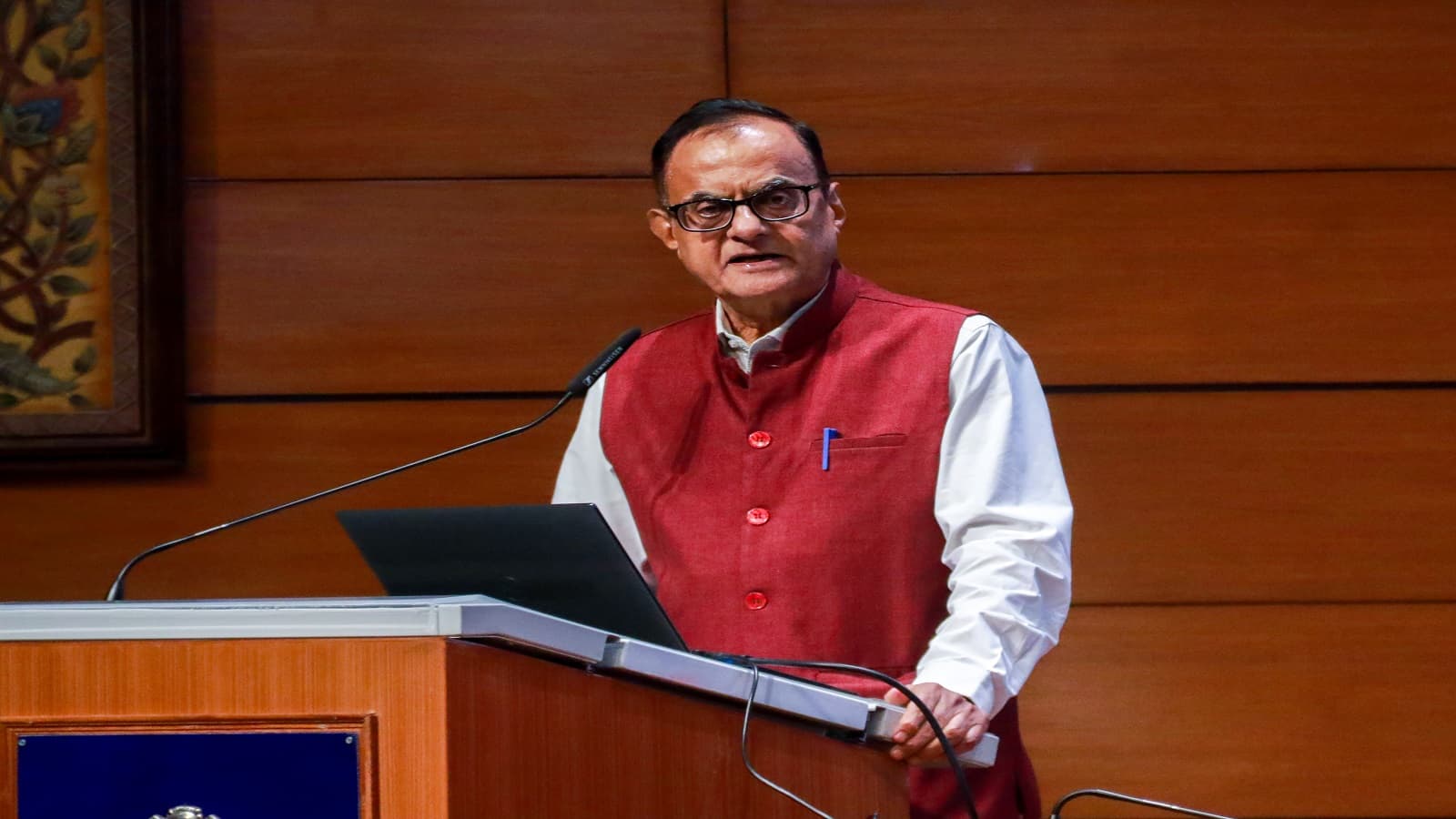
Professor Ajay Kumar Sood, Principal Scientific Adviser (PSA) to the government, chaired a meeting to review the outcomes and recommendations of the project “Development of LCA Framework for Solid Waste Management (SWM) Technologies in India”, an official statement said on Thursday. Office of the PSA supported the project, jointly undertaken by IISc Bengaluru, IIT Madras and IIT (BHU) Varanasi, which aimed to develop a contextual Life Cycle Assessment framework and a web‑based greenhouse gas (GHG) calculator to help Urban Local Bodies (ULBs) plan, compare and optimise waste management systems with lower carbon footprints.
Dr Parvinder Maini, Scientific Secretary, highlighted the project’s alignment with the Swachh Bharat Mission-Urban and stressed the need for institutional mechanisms that can support the wider implementation of such solutions across the country. The project also proposed strategic recommendations for improving the efficiency of existing and future SWM systems, along with a national roadmap for India’s transition towards climate-resilient, low-emission waste management.

The project team presented findings from the LCA study covering a wide range of waste management technologies, supported by case studies from Bengaluru, Mysuru, Tumakuru, Chennai, Delhi, and Varanasi. A demonstration video of the GHG calculator app showcased its key features and how it can help ULBs quantify emissions associated with different SWM technologies and operating scenarios. The team also presented scenario comparison modules for evaluating alternative waste management pathways and identifying low-carbon options, along with detailed LCA insights into Indian SWM technologies such as biomining, anaerobic digestion, waste-to-energy, and landfilling.
The GHH calculator app developed under this project specifically for Urban Local Bodies (ULBs) seamlessly analyses emissions from existing solid waste management practices. The app features common waste management processes like anaerobic digestion, incineration (waste-to-energy), composting, recycling and landfilling. The app also provides net emissions, avoided emissions, logistic emissions, carbon footprint, different GHG emission data (methane, carbondioxide, NOx, black carbon). It helps the ULBs to visualise different best practice waste management scenarios that result in minimum GHG emissions with the lowest carbon footprint.
Disclaimer: “This story has been published from a syndicated news feed. Only the headline and subtitle have been edited by EPN.”
Why Were the Meeting Records Made Public?
Significance of the Fifth Plenum

Major Security Breaches and the Role of Artificial Intelligence

Legal Provisions and Guardian Liability

The Role of Satellite Networks in Ukraine’s War

Will AI Become Compulsory in Indian Schools? What NCERT’s New Curriculum Means

McMaster University researcher wins $250,000 fellowship to advance bone implant research
Vande Bharat Sleeper Train: Varanasi–New Delhi Route Approved, Check Route, Timings and Stops

DA Hike 2026: Centre Approves 3% Increase, Allowance Rises to 63%
Haryana Listed 500 CHEERAG Seats at School After Recognition Withdrawal, Records Show

Why Were the Meeting Records Made Public?
Significance of the Fifth Plenum
Major Security Breaches and the Role of Artificial Intelligence
Legal Provisions and Guardian Liability
The Role of Satellite Networks in Ukraine’s War
Will AI Become Compulsory in Indian Schools? What NCERT’s New Curriculum Means
McMaster University researcher wins $250,000 fellowship to advance bone implant research
Vande Bharat Sleeper Train: Varanasi–New Delhi Route Approved, Check Route, Timings and Stops
DA Hike 2026: Centre Approves 3% Increase, Allowance Rises to 63%
Haryana Listed 500 CHEERAG Seats at School After Recognition Withdrawal, Records Show
Copyright© educationpost.in 2026 All Rights Reserved.