


Maharashtra Chief Minister Devendra Fadnavis has announced the formation of the Maharashtra Sustainable Public Finance Committee, headed by economist and former Union Finance Secretary Vijay Kelkar. The panel will suggest measures to strengthen tax and non-tax revenues, plug leakages, improve public spending and reduce dependence on borrowings as the state pursues its long-term growth targets.
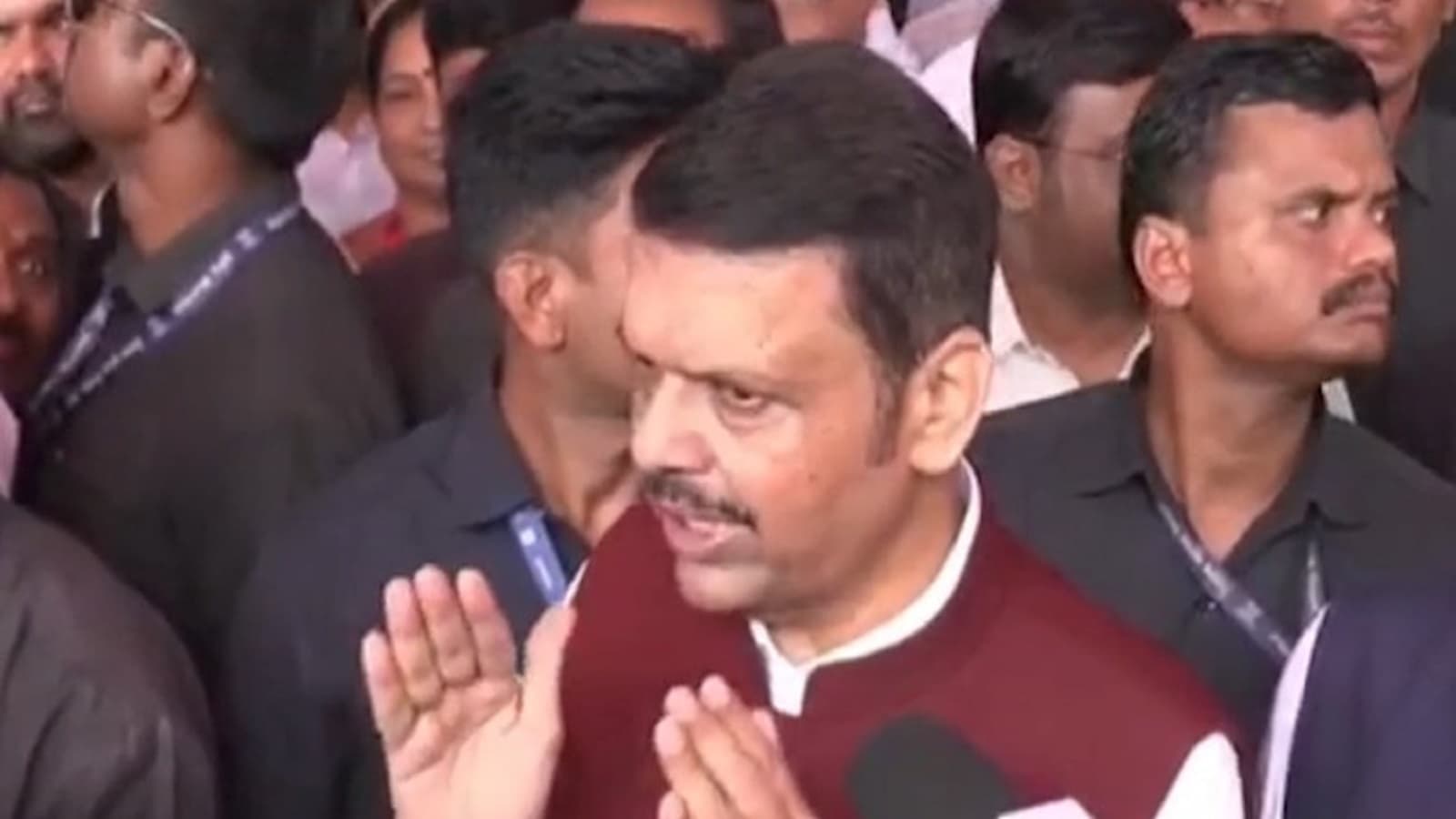
In a major push to reinforce Maharashtra’s fiscal health and support its long-term growth roadmap, Maharashtra Chief Minister Devendra Fadnavis announced the constitution of the Maharashtra Sustainable Public Finance Committee. Headed by renowned economist and former Union Finance Secretary Dr Vijay Kelkar, the high-level panel, which was announced late Wednesday evening, is tasked with recommending measures to ensure sustainable growth in tax and non-tax revenues.
The decision forms an integral part of the state’s ‘Viksit Maharashtra @ 2047’ vision document, which outlines a strategic roadmap to scale the state's economy to $1 trillion by 2030 and $5 trillion by 2047—coinciding with the centenary of India's Independence. The panel has been tasked with making recommendations to modernise the tax system, plug revenue leakages, and rationalise tax rates, fees, and exemptions; identify untapped revenue streams and maximise returns from public assets and state enterprises; streamline public spending while balancing expanding committed expenditures such as salaries, pensions, interest payments, and welfare schemes; and devise a fiscally responsible roadmap to reduce reliance on borrowings for infrastructure projects and budget deficits.

The Kelkar Committee comprises Prof Karthik Muralidharan (founder-director, CEGIS), Dr Nitin Kareer (former Chief Secretary, Maharashtra), T Rabi Sankar (former Deputy Governor, Reserve Bank of India) and Dr Ashima Goyal (President, The Indian Econometric Society). The formation of the panel comes at a critical juncture for Maharashtra. While the state actively pursues an investment-led growth strategy across core sectors—including infrastructure, human resource development, water security, urban management, and energy transition—it faces growing fiscal constraints.
Maharashtra government's Vision document has suggested restructuring the government expenditure policy to align with long-term capital formation, identifying alternative financing models and private capital inflows. Fiscal deficit targets are capped within standard Fiscal Responsibility and Budget Management (FRBM) boundaries, targeting 2.8 per cent to 3.0 per cent of Gross State Domestic Product (GSDP) while keeping the revenue deficit under 0.7 per cent of GSDP, and implementation is tracked quarterly via a dedicated Vision Management Unit chaired by the chief minister.
Adhering to the targets set under the FRBM Act has proved challenging due to rising welfare commitments and debt servicing costs. Consequently, the government has frequently resorted to market borrowings to fund capital projects and offset short-term liquidity shortfalls. The newly appointed Kelkar Committee is expected to deliver structural fiscal remedies to reverse this trend and secure long-term financial sustainability for the state.
Disclaimer: "This story has been published from a syndicated news feed. Only the headline and subtitle have been edited by EPN."
Why Were the Meeting Records Made Public?
Significance of the Fifth Plenum

Major Security Breaches and the Role of Artificial Intelligence

Legal Provisions and Guardian Liability

The Role of Satellite Networks in Ukraine’s War

Will AI Become Compulsory in Indian Schools? What NCERT’s New Curriculum Means

McMaster University researcher wins $250,000 fellowship to advance bone implant research

Vande Bharat Sleeper Train: Varanasi–New Delhi Route Approved, Check Route, Timings and Stops

DA Hike 2026: Centre Approves 3% Increase, Allowance Rises to 63%
Haryana Listed 500 CHEERAG Seats at School After Recognition Withdrawal, Records Show

Why Were the Meeting Records Made Public?
Significance of the Fifth Plenum
Major Security Breaches and the Role of Artificial Intelligence
Legal Provisions and Guardian Liability
The Role of Satellite Networks in Ukraine’s War
Will AI Become Compulsory in Indian Schools? What NCERT’s New Curriculum Means
McMaster University researcher wins $250,000 fellowship to advance bone implant research
Vande Bharat Sleeper Train: Varanasi–New Delhi Route Approved, Check Route, Timings and Stops
DA Hike 2026: Centre Approves 3% Increase, Allowance Rises to 63%
Haryana Listed 500 CHEERAG Seats at School After Recognition Withdrawal, Records Show
Copyright© educationpost.in 2026 All Rights Reserved.