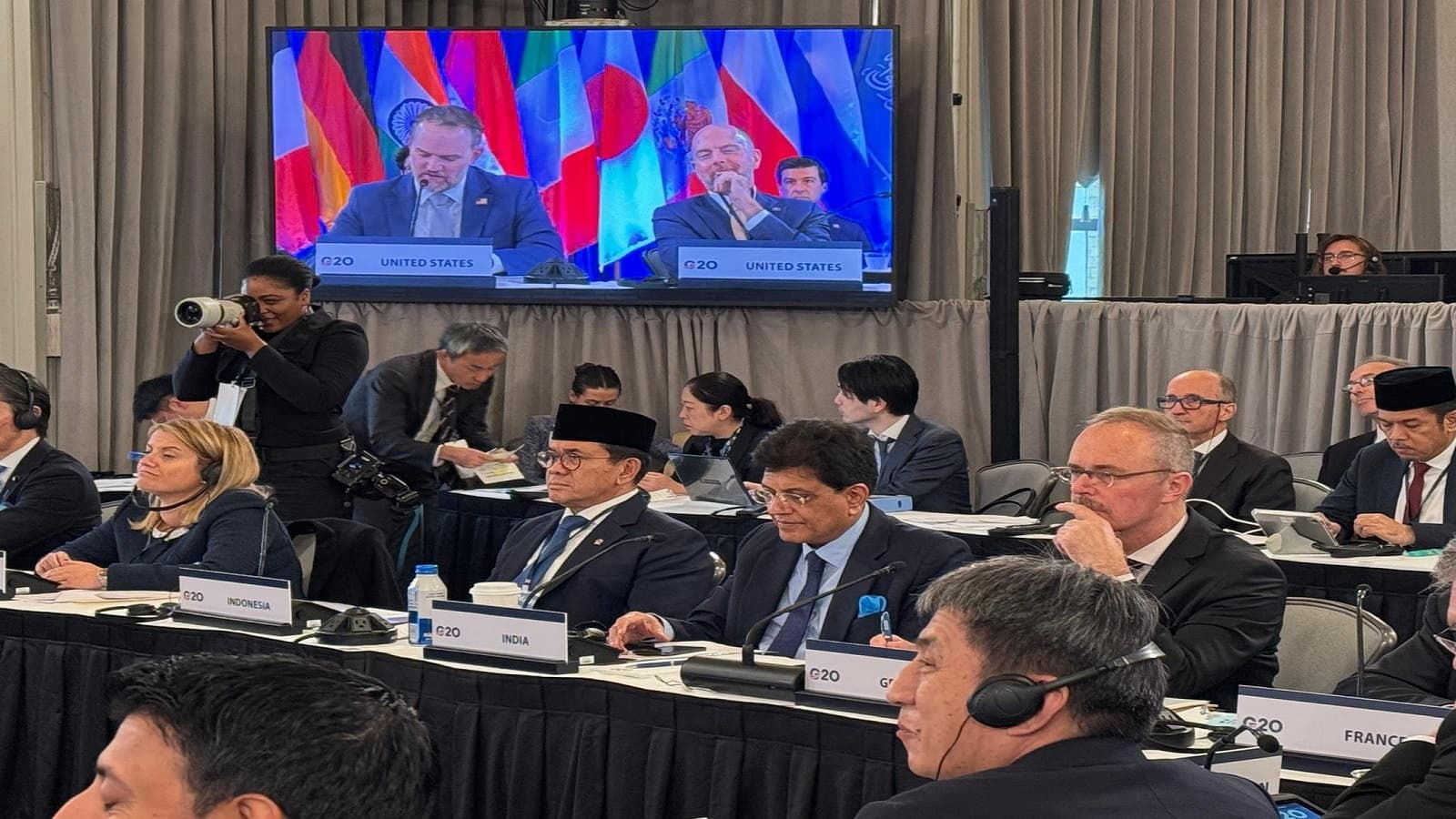
The US trade chief said Washington believed years of discussion had failed to adequately address structural problems confronting global trade. “For more than a decade, the global economy has been beset by macroeconomic imbalances, structural excess capacity and production, forced labour, and economic coercion. And yet, the response by the world’s economies has been mostly talk,” he said. Greer said the United States wanted the Milwaukee discussions to produce greater urgency among G20 economies.
“Over the next two days, we will discuss these issues in depth, and it is my intent that we leave Milwaukee with a clearer sense of urgency and a recognition of the need for action,” he said. The exchange places food security alongside industrial overcapacity, forced labour and MFN treatment in a broader G20 debate over the rules governing international commerce. The US has described the food-related workstream as an effort to address coercive trade actions involving food, agricultural products and agricultural inputs.