

Experiments on uranium ditelluride have shown that two distinct superconducting states can coexist in the material, making it a leading candidate for a topological superconductor, a development that could eventually support advances in quantum computing.

Researchers at the University of Oxford are examining a historic plant collection to investigate how Indigenous knowledge and colonial-era exchanges shaped the development of botanical science in Britain.

A new study by the University of Cambridge has found that comets were unlikely to deliver enough hydrogen cyanide to early Earth to help life begin. The findings challenge a long-standing theory, though researchers say a rare successful impact remains possible.
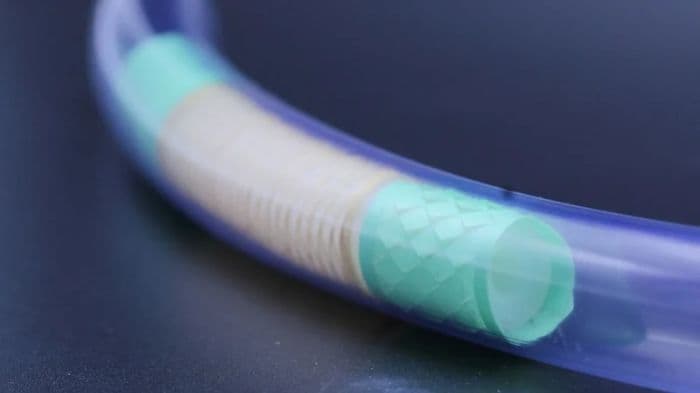
The research prototype combines a drug-delivery tube with 24 miniature ultrasound transducers to help substances spread farther through brain tissue. Tested in laboratory tissue models and mice, the technology could eventually support targeted treatment for aggressive brain tumours, but it has not been proven in patients.

Replace stock footage searches with custom text-to-video clips using Dreamina AI. Learn to craft precise prompts, customize scenes, refine visuals, and create engaging videos tailored to your script and creative needs.
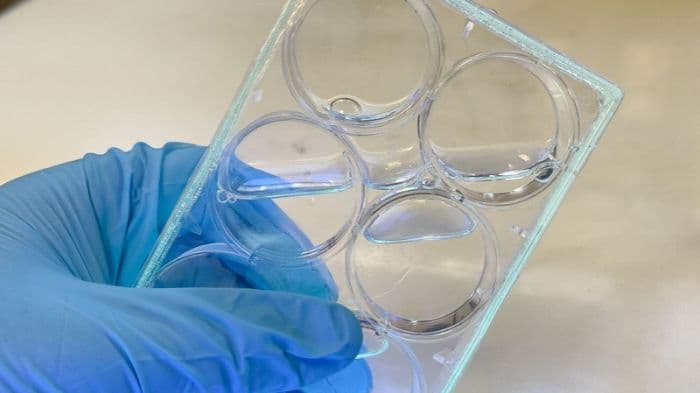
The new photoinitiators can cure liquid resins under light, with laboratory tests showing low toxicity to human cells and reduced material shrinkage. Their performance in large-scale manufacturing remains to be established.
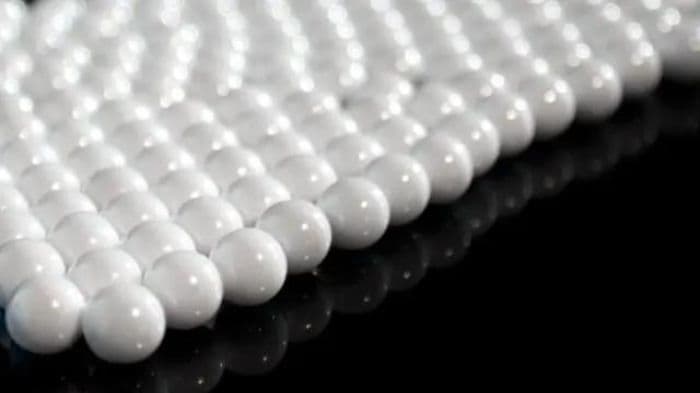
Experiments suggest that steam can slow microstructural changes in a ceramic used in high-temperature protective coatings, potentially helping the material retain porosity and thermal insulation properties.

Ladakh Administration Directs Sonam Wangchuk-Founded School to Suspend Activities Pending High Court Decision
IIIT-Delhi Awards Degrees to 830 Students at 15th Convocation; Recognises Academic and Research Excellence
Universal AI University Awards Degrees to 369 Graduates at 15th Convocation Ceremony

UK’s football business university to merge with BIMM University

Bengaluru Water Crisis: Poor Families Spend ₹3,000 Monthly on Drinking Water, Survey Flags
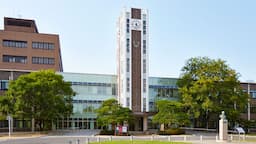
Japan's Okayama University uses robotics competitions to build engineering and workplace skills

Indian Navy Rescues 20 Crew from Hijacked Iranian Vessel off Somalia

Learning Mandarin, earning degrees in China: How Indonesian youth are preparing for global careers
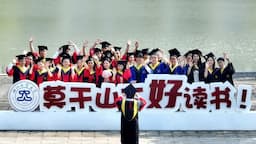
China allows clinical medicine master's and PhD students to graduate without thesis under new pathway

Delhi HC Declines Action Against ACP Over Alleged Threats to Lawyers

Copyright© educationpost.in 2026 All Rights Reserved.