

'Naked Resignation' is a growing trend where professionals leave their jobs without another offer secured. It is a move to escape burnout and prioritize personal well-being, mental health, and a more humane pace of life over traditional career stability. This path redefines success by valuing mental peace and autonomy more than just a high-pressure paycheck.


.JPG&w=3840&q=75)
Beyond books and bells, India’s boarding schools spark independence, belonging, and bonds that last a lifetime, writes Peter Willet, Deputy Head – Pastoral at Shrewsbury International School India.

With no national law regulating smartphone use in schools, Indian students face rising distractions, cyber risks, and educational setbacks as classrooms struggle to adapt to the digital age.

Ryan Baidya, Ph.D., MBA, of Takshila Foundation, examines the Ukraine war’s impact on global geopolitics. The conflict has strained NATO, the EU, and U.S. leadership while empowering emerging powers like Iran, Turkey, and Saudi Arabia. As Western influence declines, shifting alliances may redefine global security and governance, necessitating a new Dharmic Democracy-led world order.
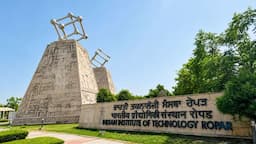
From “write a thesis” to “build something”: IIT Ropar’s new PhD route

Study in Taiwan 2027: Top Universities, Fees, Scholarships, Student Visa and Jobs for Indian Students

Study in Japan 2027: Top Universities, Fees, Scholarships, Visa and Career Opportunities for Indian Students
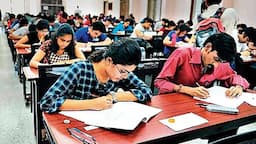
Maharashtra: Nanded to Offer Free NEET, JEE Coaching to 200 Rural Students

NEET PG 2026: NBEMS issues fresh guidelines on joining deadlines, fees and seat upgradation
Study in Taiwan 2027: Top Universities, Fees, Scholarships, Student Visa and Jobs for Indian Students

Study in Hong Kong 2027: Top Universities, Fees, Scholarships, Visa and Career Opportunities for Indian Students

Study in South Korea 2027: Top Universities, Fees, Scholarships, Visa and Career Opportunities for Indian Students
.avif&w=256&q=75)
UAE robotics league puts students with intellectual disabilities at the heart of 279 teams
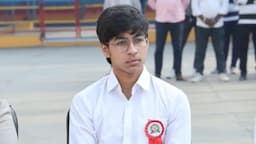
Gujarat Class 12 student builds scribe network to support visually impaired students

Copyright© educationpost.in 2026 All Rights Reserved.