


Iran has renewed its offer to reopen the Strait of Hormuz within a week, but its conditions on the US naval blockade and oil sanctions remain unresolved. A reported tanker incident has added to concerns over shipping security.
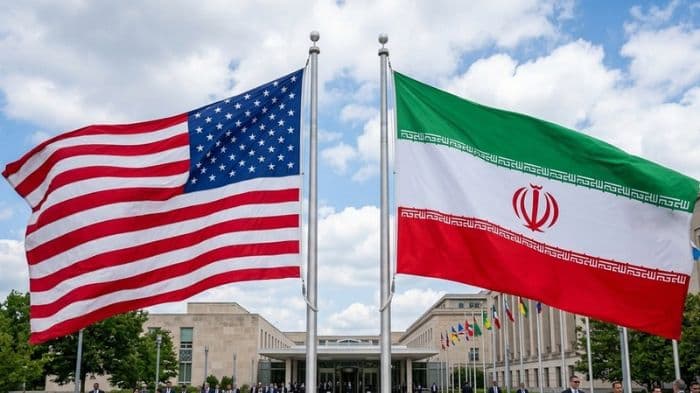
Iran has renewed its proposal to reopen the strategically important Strait of Hormuz within seven days, placing fresh pressure on Washington to respond as the two countries remain divided over how to end their conflict.
Iranian Foreign Minister Abbas Araghchi said on Oct 18 that Tehran’s proposal remained on the table. Under the plan, the waterway could reopen within a week if the United States accepts Iran’s conditions, including lifting its naval blockade of Iranian ports, easing restrictions on Iranian oil exports and halting regional hostilities.

The proposal comes as diplomatic efforts remain stalled over the sequence of negotiations. Tehran wants the immediate focus to be on reopening the strait, while Washington has insisted that Iran’s nuclear programme must also be addressed.
Why the Strait of Hormuz matters
The Strait of Hormuz is one of the world's most important energy-shipping routes. Disruption to traffic through the narrow waterway affects oil and gas supplies, shipping costs and energy markets far beyond the Middle East.
The latest tensions have also weighed on Gulf financial markets. Reuters reported on October 19 that a tanker explosion in the strait, reportedly caused by a naval mine, had unsettled investors. Iran’s Islamic Revolutionary Guard Corps confirmed the incident.
Brent crude traded at $107.57 a barrel in early trading on Oct 19, down 2.08%, Reuters reported. The decline came amid broader market movements, including a US decision to waive sanctions on Russian oil, so it cannot be attributed solely to Iran’s proposal.
What is keeping the US and Iran apart?
The disagreement goes beyond reopening a shipping route. Iran wants restrictions on its ports and oil exports eased, while Washington wants Tehran’s nuclear activities included in a wider settlement.
The two sides have also disagreed over earlier proposals. US President Donald Trump rejected an earlier Iranian plan in September, saying he would not accept its terms. Tehran has continued to argue that the United States must meet its conditions before the seven-day process can begin.
For now, Iran’s renewed offer does not amount to a concluded agreement. Its implementation depends on Washington’s response and whether both sides can bridge their differences.
What lies ahead for the US and Iran
The immediate question is whether the US will accept Iran’s conditions, seek changes to the proposal or continue applying pressure through its blockade and sanctions.
For countries dependent on imported energy, including India, the stakes extend beyond the diplomatic confrontation. Prolonged disruption around Hormuz could increase freight and insurance costs and complicate oil and gas supplies.
A reopening within seven days remains a conditional proposal, not a confirmed timetable. Until the two sides reach an agreement and shipping conditions improve, uncertainty around the waterway is likely to remain a concern for energy markets.
US universities send students to COP31 as official climate conference observers

EU partners with 10 Indonesian universities to expand academic cooperation
Iranian researchers face growing barriers to international academic collaboration

French academics launch campaign against low pay and insecure university jobs

UK teacher escapes ban after giving vulnerable pupil sexually explicit books

Odisha expands postgraduate medical education with 318 additional seats

CSIR-UGC NET December 2026 registration deadline extended, apply by Nov 9

XAT 2027 introduces new exam rules, adds 17 B-schools to associate network

Delhi-NCR schools up to Class 5 to shift to hybrid mode amid rising pollution

CA Foundation result 2026 out, Kansika and Mahek Gupta jointly secure AIR 1

US universities send students to COP31 as official climate conference observers
EU partners with 10 Indonesian universities to expand academic cooperation
Iranian researchers face growing barriers to international academic collaboration
French academics launch campaign against low pay and insecure university jobs
UK teacher escapes ban after giving vulnerable pupil sexually explicit books
Odisha expands postgraduate medical education with 318 additional seats
CSIR-UGC NET December 2026 registration deadline extended, apply by Nov 9
XAT 2027 introduces new exam rules, adds 17 B-schools to associate network
Delhi-NCR schools up to Class 5 to shift to hybrid mode amid rising pollution
CA Foundation result 2026 out, Kansika and Mahek Gupta jointly secure AIR 1
Copyright© educationpost.in 2026 All Rights Reserved.