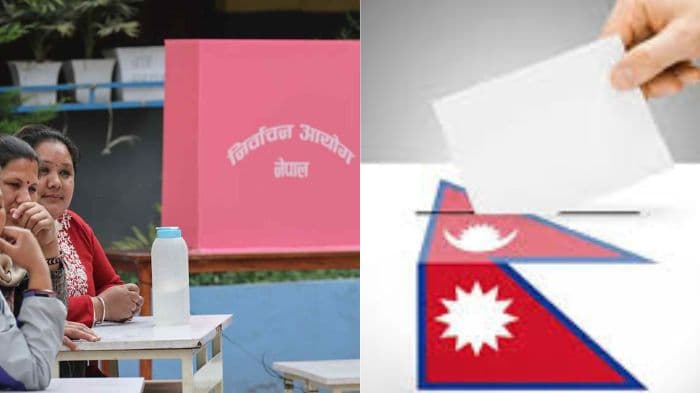
Nepal began voting in a crucial general election on March 5, the first national polls since youth-led protests last year forced the resignation of former prime minister KP Sharma Oli and triggered a major political reset.

Voting began across Nepal on March 5 in a landmark general election, the first since mass youth-led protests last year forced the resignation of former prime minister KP Sharma Oli and plunged the country into political turmoil.
Polling stations opened early in the morning with millions of voters expected to participate in the vote that will decide the composition of the country’s parliament and the next government. Nearly 18.9 million voters are eligible to cast ballots in the election.

The vote comes about six months after widespread demonstrations led largely by younger citizens, widely referred to as Gen Z protests, erupted across the country. The protests were triggered by anger over corruption, unemployment and political patronage, eventually forcing Oli to step down from power after days of unrest.
Following the upheaval, an interim government led by former chief justice Sushila Karki was formed to stabilise the country and oversee fresh elections. The administration dissolved parliament and announced the new polls as part of the political transition.
The election is being closely watched as a contest between traditional political parties and newer forces backed by young voters.
Among prominent contenders are reformist leaders and independent-leaning figures who have gained support from the youth-driven movement demanding political change and stronger action against corruption.
Polling is expected to continue throughout the day, with early trends likely to emerge soon after voting ends. However, officials say final results could take several days, given the scale of the election and the counting process.
The outcome of the vote is seen as critical for the future direction of Nepal’s democracy, as the country attempts to move beyond months of political unrest and respond to growing public demands for reform and economic opportunities


Somali referee barred from US, ruled out of FIFA World Cup 2026
.jpg&w=256&q=75)
Former Trinamool MLA Sabyasachi Dutta arrested in extortion, corruption case
.jpg&w=256&q=75)
Delhi-NCR braces for 44°C heat as monsoon nears, rain relief looms ahead

Netanyahu signals pause in Iran strikes but warns conflict could resume

Govt reduces subsidised LPG refills under Ujjwala scheme from 12 to 4 a year

Congress leader Digvijaya Singh urges PM Modi to defer CBSE's three-language policy for Class IX

University of Strathclyde offers £7,000 annual scholarship for international physics students

Tamil Nadu mandates physical education classes for students from Class 6 to 12

NEET-UG 2026: NTA issues re-exam city intimation slips ahead of June 21 test

UGC introduces stricter PhD rules, links plagiarism levels to penalties

Somali referee barred from US, ruled out of FIFA World Cup 2026
.jpg&w=256&q=75)
Former Trinamool MLA Sabyasachi Dutta arrested in extortion, corruption case
.jpg&w=256&q=75)
Delhi-NCR braces for 44°C heat as monsoon nears, rain relief looms ahead

Netanyahu signals pause in Iran strikes but warns conflict could resume

Govt reduces subsidised LPG refills under Ujjwala scheme from 12 to 4 a year

Congress leader Digvijaya Singh urges PM Modi to defer CBSE's three-language policy for Class IX

University of Strathclyde offers £7,000 annual scholarship for international physics students

Tamil Nadu mandates physical education classes for students from Class 6 to 12

NEET-UG 2026: NTA issues re-exam city intimation slips ahead of June 21 test

UGC introduces stricter PhD rules, links plagiarism levels to penalties
Copyright© educationpost.in 2024 All Rights Reserved.
Designed and Developed by @Pyndertech