


With Khamenei dead, over 1,250 targets hit and the Strait of Hormuz under threat, the fourth day of war pushes the Middle East closer to a wider regional rupture.
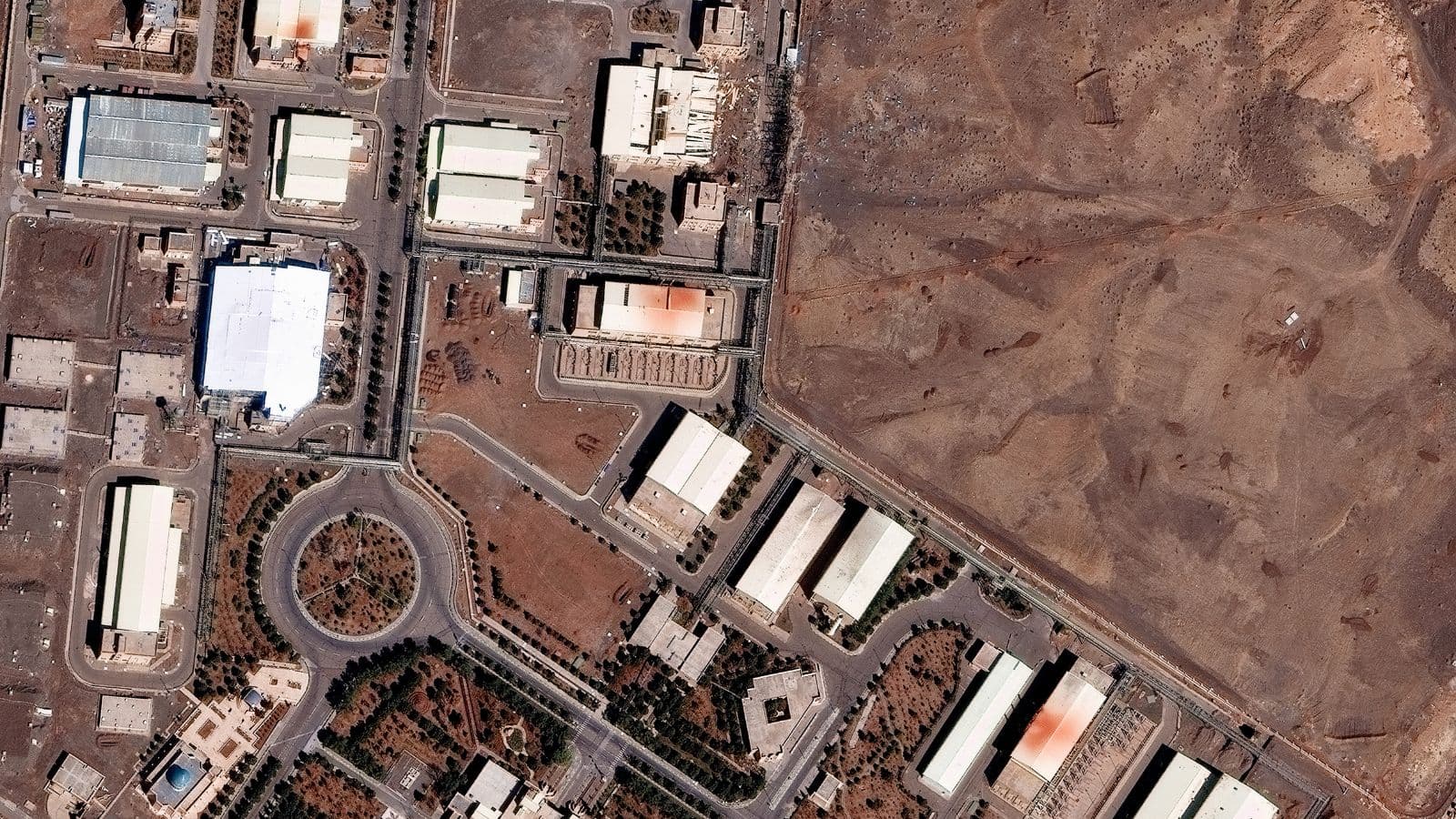
The US-Israel-Iran war escalated dramatically on March 3, entering its fourth day with sustained airstrikes across Iran and Lebanon, mounting casualties, and deepening fears of a wider regional conflagration.
Fresh explosions rocked Tehran and Beirut as Israeli forces launched new offensives targeting strategic installations, while Washington signaled that the campaign is far from over. US President Donald Trump defended the offensive as the “last, best chance” to neutralize Iran’s leadership, framing it as a decisive moment in the conflict.

Speaking on Capitol Hill, Secretary of State Marco Rubio warned that “the hardest hits are yet to come from the US military,” underscoring the scale of the unfolding operations.
Israeli forces struck what they described as the “heart” of the Iranian capital, with explosions reported near key government districts. Iranian state media said at least 165 people were killed, including casualties from a strike in Minab.
More than 1,250 targets — ranging from ballistic missile facilities to naval assets — have reportedly been hit in coordinated US-Israeli operations. The campaign, dubbed “Operation Epic Fury” by United States Central Command, involves what officials described as ongoing “large-scale combat operations.” Several American service members have been confirmed killed and wounded.
The killing of Iran’s Supreme Leader Ali Khamenei has fundamentally altered the political landscape. President Masoud Pezeshkian announced the formation of a three-member provisional Leadership Council under Article 111 of Iran’s Constitution to temporarily assume the Supreme Leader’s duties.
Iranian authorities have vowed retaliation, signaling that the conflict is entering a more unpredictable and potentially prolonged phase.
The war has spilled decisively into Lebanon. Israeli strikes in Beirut targeted positions linked to Hezbollah, with Lebanese health officials reporting dozens killed and widespread displacement across parts of the capital.
The expansion of hostilities along the Lebanon front has raised concerns of a multi-theatre war stretching from the Mediterranean to the Gulf.
Tehran has issued stark warnings over the Strait of Hormuz, threatening to “set fire” to vessels attempting passage through the strategic chokepoint that carries roughly a fifth of the world’s traded oil. Any disruption to the route could trigger a severe global energy shock.
Gulf states remain on high alert after Iran warned that Saudi Arabia, the UAE, Qatar, Kuwait and Bahrain could become “legitimate military targets” if they assist Western forces. Qatar has formally condemned Iranian attacks in communications to the United Nations.
The conflict’s economic impact is already reverberating worldwide.
Airspace across much of the Middle East remains restricted, with major aviation hubs in Dubai and Doha reporting continued disruptions. Oil markets are closely tracking maritime security risks in the Gulf, while gold prices have surged past $5,200 an ounce amid a flight to safe-haven assets.
International condemnation has intensified. China strongly denounced the killing of Ayatollah Khamenei as a “grave violation” of sovereignty and called for an immediate ceasefire. Canada announced the temporary closure of its embassy in Riyadh citing security concerns.
In India, the Central Board of Secondary Education postponed Class X and XII examinations across Middle Eastern centres — including Bahrain, Iran, Kuwait, Oman, Qatar, Saudi Arabia and the UAE — citing the deteriorating security situation.
With Tehran vowing retaliation, Washington signaling intensified operations, and Israel widening its targets, the war shows no immediate signs of de-escalation. Airspace closures, maritime threats and mounting civilian casualties have pushed the region to the brink — and the world is watching a conflict that could reshape the Middle East’s geopolitical order.
.webp&w=256&q=75)
Abu Dhabi aims to bring 2,000 Emirati teachers into private schools within five years

Budget Support to Strengthen Carbon Capture Research and Infrastructure
.jfif&w=256&q=75)
Trump Administration Retains Leverage Through Sanctions Act
New Questions on Digital Platform Employment from January
.jfif&w=256&q=75)
Husband’s Responsibility Does Not Extend to Married, Able-Bodied Brother
Abu Dhabi aims to bring 2,000 Emirati teachers into private schools within five years
.jpg&w=256&q=75)
Australian schools record thousands of student sexual misconduct reports as child safety concerns grow
.jpg&w=256&q=75)
Egypt insists international schools include Arabic, history in final scores

China’s Chery unveils AI companion robot designed to ease loneliness
.jpg&w=256&q=75)
New Zealand reforms could leave more students without school qualifications

Abu Dhabi aims to bring 2,000 Emirati teachers into private schools within five years
Budget Support to Strengthen Carbon Capture Research and Infrastructure
Trump Administration Retains Leverage Through Sanctions Act
New Questions on Digital Platform Employment from January
Husband’s Responsibility Does Not Extend to Married, Able-Bodied Brother
Abu Dhabi aims to bring 2,000 Emirati teachers into private schools within five years
Australian schools record thousands of student sexual misconduct reports as child safety concerns grow
Egypt insists international schools include Arabic, history in final scores
China’s Chery unveils AI companion robot designed to ease loneliness
New Zealand reforms could leave more students without school qualifications
Copyright© educationpost.in 2026 All Rights Reserved.