


International Energy Agency chief Fatih Birol has warned that the ongoing Iran war could trigger a global economic crisis, with energy disruptions, rising oil prices, and supply shocks likely to impact every country.
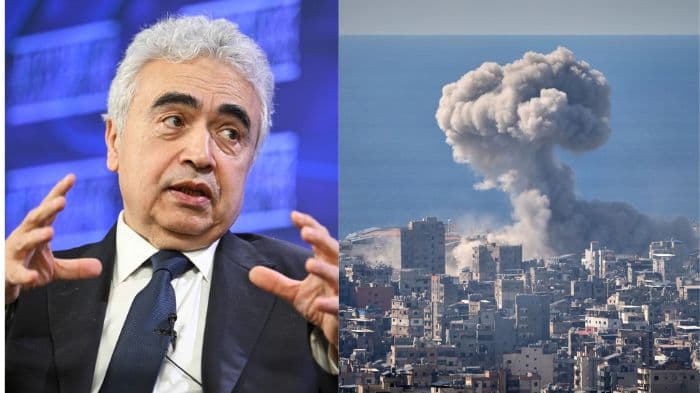
The ongoing Iran war has emerged as a “major threat” to the global economy, with International Energy Agency chief Fatih Birol warning that no country will be immune to its impact.
Speaking amid escalating tensions in West Asia, Birol said the crisis, driven largely by disruptions in oil and gas supplies, has reached a scale comparable to past global energy shocks. He described the situation as a combination of multiple crises, warning of severe consequences for global growth and stability.

A key concern is the disruption of energy flows through the Strait of Hormuz, a critical route that carries nearly 20 percent of the world’s oil and gas shipments. The ongoing conflict has significantly reduced shipments through the route, tightening global supply and pushing up prices.
Birol cautioned that the economic fallout will not be limited to energy markets. Rising oil and gas prices are expected to drive inflation, disrupt supply chains, and increase costs across industries, from manufacturing to food production.
The International Energy Agency has already taken emergency measures, including releasing large volumes of oil from strategic reserves to stabilise markets. However, officials have indicated that such steps offer only temporary relief and cannot fully offset the scale of disruption.
Experts warn that prolonged conflict could deepen the crisis, with damage to energy infrastructure across the region likely to keep prices elevated and strain economies worldwide.
The warning comes as the war continues to escalate, with the United States, Iran, and regional players engaged in a widening confrontation that has heightened concerns of a broader global economic slowdown.

Loughborough University appoints Professor Nichola Callow as Pro Vice-Chancellor for education
From digital pets to AI robots: How Hong Kong schools are reshaping classroom learning
Why Are Nearly 2,000 MBBS Seats Still Vacant After NEET Counselling 2026?
Ghaziabad School Introduces Global Lexile Framework to Assess Reading Skills of Students

SRMIST to Host National Conference on Regenerative Biology and Bioengineering from November 3
From digital pets to AI robots: How Hong Kong schools are reshaping classroom learning
Why Are Nearly 2,000 MBBS Seats Still Vacant After NEET Counselling 2026?

King's College London, Cranfield University agree to merge in August 2027

Hong Kong plans weekly AI and coding lessons for children: Is India ready for the shift?

Who handles student discipline? Singapore schools look beyond teachers, lessons India can learn

Loughborough University appoints Professor Nichola Callow as Pro Vice-Chancellor for education
From digital pets to AI robots: How Hong Kong schools are reshaping classroom learning
Why Are Nearly 2,000 MBBS Seats Still Vacant After NEET Counselling 2026?
Ghaziabad School Introduces Global Lexile Framework to Assess Reading Skills of Students
SRMIST to Host National Conference on Regenerative Biology and Bioengineering from November 3
From digital pets to AI robots: How Hong Kong schools are reshaping classroom learning
Why Are Nearly 2,000 MBBS Seats Still Vacant After NEET Counselling 2026?
King's College London, Cranfield University agree to merge in August 2027
Hong Kong plans weekly AI and coding lessons for children: Is India ready for the shift?
Who handles student discipline? Singapore schools look beyond teachers, lessons India can learn
Copyright© educationpost.in 2026 All Rights Reserved.