


Experiments suggest that steam can slow microstructural changes in a ceramic used in high-temperature protective coatings, potentially helping the material retain porosity and thermal insulation properties.
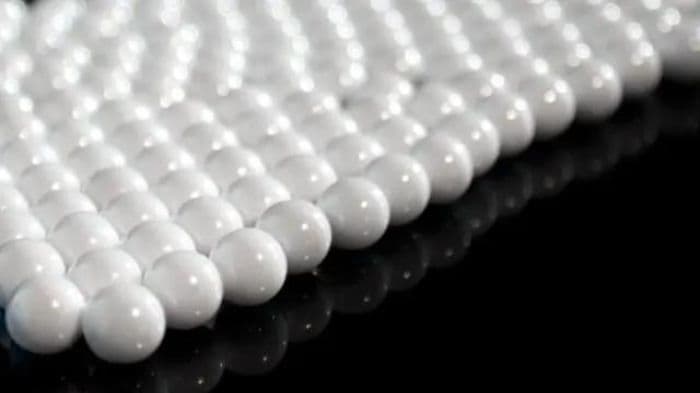
Water vapour can slow grain growth during the high-temperature processing of yttria-stabilised zirconia, according to a study published in npj Materials Degradation on Oct 25.
The researchers heated zirconia samples in dry air, steam and dry nitrogen at 1,300°C to examine how different atmospheres affected the material’s microstructure. Yttria-stabilised zirconia is widely used as a thermal-barrier coating material in applications that operate at high temperatures.

The study found that steam slowed grain growth and helped preserve the porous structure of the ceramic under the experimental conditions. The findings could help researchers better understand how processing environments affect the performance of advanced ceramic coatings.
Steam slows grain growth
The researchers tested zirconia pellets with three initial porosity levels, along with free-standing coatings produced using plasma spraying.
After 100 hours of heat treatment, the most porous pellet had a grain size 31% smaller in steam than in the comparison conditions. The apparent grain-growth rate constants were also 2.8 to 4.2 times lower in steam.
A dry-nitrogen control showed only a 5.5% change in grain size in the same furnace, helping the researchers distinguish the effect of water vapour from changes associated with the heating environment.
The team also found that the plasma-sprayed coatings retained higher porosity when treated in steam. At intermediate exposure times, they showed lower thermal conductivity, a property relevant to materials designed to limit heat transfer.
Implications for high-temperature coatings
Yttria-stabilised zirconia is used as a topcoat in thermal-barrier coating systems, including those designed to protect components exposed to high temperatures. During prolonged heating, sintering can change the material’s microstructure and reduce its porosity, affecting its thermal-insulation properties.
The researchers investigated the mechanisms behind the observed effect using density functional theory calculations and defect-equilibrium analysis. Their results support a mechanism in which hydroxyl groups interact with yttrium sites at grain boundaries, helping stabilise those boundaries and slowing microstructural evolution.
The study provides experimental evidence that water vapour can influence the sintering behaviour of this ceramic. However, it does not establish that the findings will translate directly into longer component life or improved performance in operating industrial systems. Further work would be needed to assess the effects under real manufacturing and service conditions.

Replace stock footage hunts with custom-made Text-to-Video clips

FUEL SkillTech University Inaugurated as Organisation Marks 20 Years of Youth Empowerment
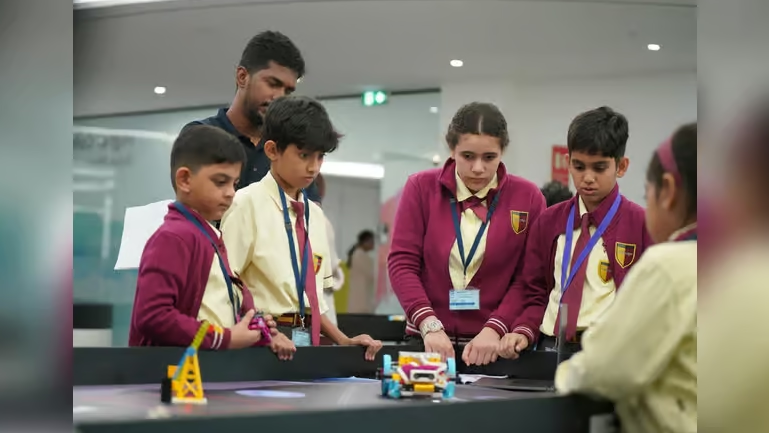
UAE robotics league puts students with intellectual disabilities at the heart of 279 teams

Microsoft offers voluntary buyouts to 60,000 staff as AI spending surges

Gujarat Class 12 student builds scribe network to support visually impaired students
UAE robotics league puts students with intellectual disabilities at the heart of 279 teams
Gujarat Class 12 student builds scribe network to support visually impaired students

Centre Amends Motor Vehicle Rules to Allow E100 Ethanol Fuel in Flex-Fuel Vehicles

Study in Malaysia for Indian Students 2026: Universities, Fees, Scholarships, Visa and Career Opportunities

Delhi BS6 Entry Ban From November 1 Could Affect Over 10 Lakh NCR Vehicles

Replace stock footage hunts with custom-made Text-to-Video clips
FUEL SkillTech University Inaugurated as Organisation Marks 20 Years of Youth Empowerment
UAE robotics league puts students with intellectual disabilities at the heart of 279 teams
Microsoft offers voluntary buyouts to 60,000 staff as AI spending surges
Gujarat Class 12 student builds scribe network to support visually impaired students
UAE robotics league puts students with intellectual disabilities at the heart of 279 teams
Gujarat Class 12 student builds scribe network to support visually impaired students
Centre Amends Motor Vehicle Rules to Allow E100 Ethanol Fuel in Flex-Fuel Vehicles
Study in Malaysia for Indian Students 2026: Universities, Fees, Scholarships, Visa and Career Opportunities
Delhi BS6 Entry Ban From November 1 Could Affect Over 10 Lakh NCR Vehicles
Copyright© educationpost.in 2026 All Rights Reserved.