


Taiwanese visitors to China could face arrest or exit restrictions over sensitive technology work or ties to companies deemed “hostile” under Beijing’s revised border rules, a report said.
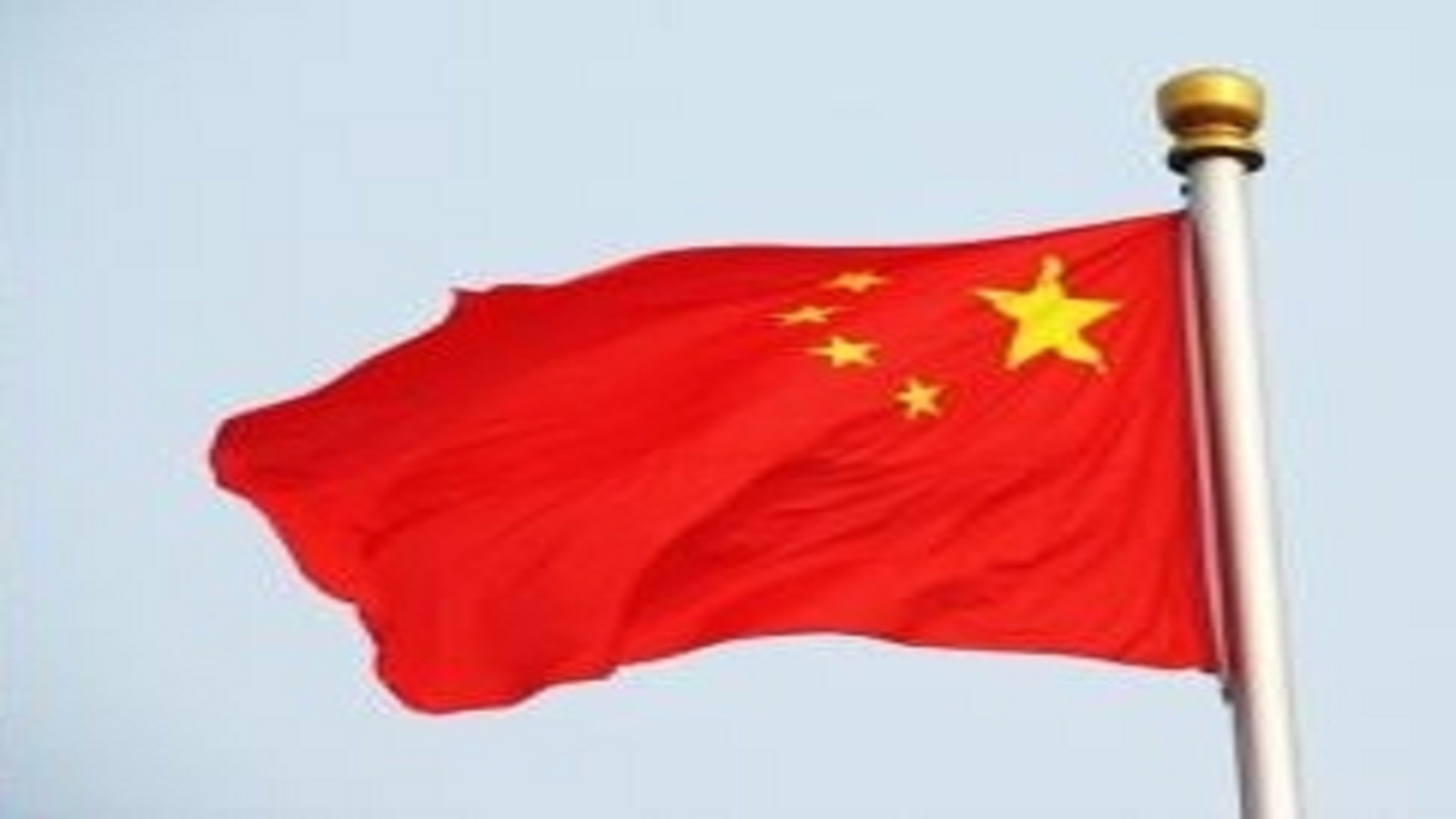
People from Taiwan travelling to China could be arrested for engaging in sensitive technology or working in a company deemed "hostile" under Beijing's new border rules, local media reported on Tuesday, citing a national security source. China is scheduled to enforce revised entry and exit rules in September that, along with the Ethnic Unity and Progress Promotion Law and proposed changes to the Administrative Measures for Internet Information Services, would give more powers to Chinese authorities, Taiwan's Taipei Times reported, citing a source who spoke on condition of anonymity.
People could be arrested for engaging in sensitive technology or working in a firm considered "hostile", according to the source. Under rules issued by China's State Council, Chinese nationals, including Taiwanese nationals under Beijing's nationality law, who engage in illegal or criminal activities overseas that threaten national security or national interests could be barred from leaving China for six months to three years after entering the country.

According to the rules, Chinese nationals who breach import-export rules that could pose a threat to national industrial or technological security could be prohibited from leaving China. The source said that if Chinese authorities believe that a Taiwanese citizen in China has engaged in or has been stealing technology, industrial, scientific, or military information, or is working in a "hostile" company, the person could be unable to travel back home, or, if they are residing in other nations, their family members in China could be arrested to force them to come there. The source further said that local governments in border areas have been given authority to impose exit restrictions, sparking personal safety risks.
According to the source, the new rules create risks for the technology supply chain as engineers working in semiconductor suppliers or IC design companies who visit China for work could face movement restrictions or mandatory inspections if their devices have information regarding new manufacturing processes or technology development. The source said that many companies have already shared internal security guidelines which require employees visiting China to have dedicated "clean" phones and laptops, while barring them from taking routine work or personal devices. According to the source, China is also making changes to the Administrative Measures for Internet Information Services to regulate online speech and behaviour, Taipei Times reported.
Earlier in July, over 50 Uyghur civil society organisations strongly condemned China's Law on the Promotion of Ethnic Unity and Progress (Ethnic Unity Law) and urged the international community to take meaningful action to repeal the legislation. According to a joint statement, the law, which entered into force on July 1, 2026, is not a "technical administrative measure" but a "legislative instrument of forced assimilation".
It noted that the legislation explicitly conflates the Chinese nation with the Chinese Communist Party (CCP) and demands that ethnic groups abandon their distinct identities in favour of loyalty to the Party, the Han-defined "motherland", and "Socialism with Chinese Characteristics". Under this framework, the organisations said, the Uyghur, Tibetan, Mongolian, and other non-Han identities are permitted to exist only insofar as they are absorbed into a single, CCP-defined Chinese nation. The organisations expressed grave concerns over certain provisions in the law which stipulate that individuals and organisations outside mainland China who "undermine ethnic unity and progress" could be held legally responsible under Chinese law.
Disclaimer: "This story has been published from a syndicated news feed. Only the headline and subtitle have been edited by EPN."

Hunter of Underwater Threats: Why INS Mangrol Is Important for the Indian Navy

Delhi Protests Renew Debate Over Constitutional Right to Peaceful Assembly

Household Inflation Rises to 5.54% in September as Price Pressures Spread
Delhi High Court Allows Urgent Hearing on Protest Site Guidelines
India Rejects China’s Objection to Standardised Names of Places in Ladakh

Karnataka student elections return after 37 years: Why political restrictions and university polls remain contentious

Global education is shifting from simply going abroad to creating more flexible routes to opportunity

Delhi Police files FIR against Congress MP Bimol Akoijam over JNU sexual harassment allegations

Utkal University tightens security after late-night explosions ahead of student polls

IET India Scholarship Award 2026: DTU’s Kush Garg wins top honor for AI device for neurodivergent children

Hunter of Underwater Threats: Why INS Mangrol Is Important for the Indian Navy
Delhi Protests Renew Debate Over Constitutional Right to Peaceful Assembly
Household Inflation Rises to 5.54% in September as Price Pressures Spread
Delhi High Court Allows Urgent Hearing on Protest Site Guidelines
India Rejects China’s Objection to Standardised Names of Places in Ladakh
Karnataka student elections return after 37 years: Why political restrictions and university polls remain contentious
Global education is shifting from simply going abroad to creating more flexible routes to opportunity
Delhi Police files FIR against Congress MP Bimol Akoijam over JNU sexual harassment allegations
Utkal University tightens security after late-night explosions ahead of student polls
IET India Scholarship Award 2026: DTU’s Kush Garg wins top honor for AI device for neurodivergent children
Copyright© educationpost.in 2026 All Rights Reserved.