


Prime Minister Narendra Modi highlighted the achievements of the ‘Make in India’ initiative as it completed 12 years, pointing to higher domestic production, investment and exports across sectors. Electronics, mobile phone and defence production have recorded significant growth since 2014-15.
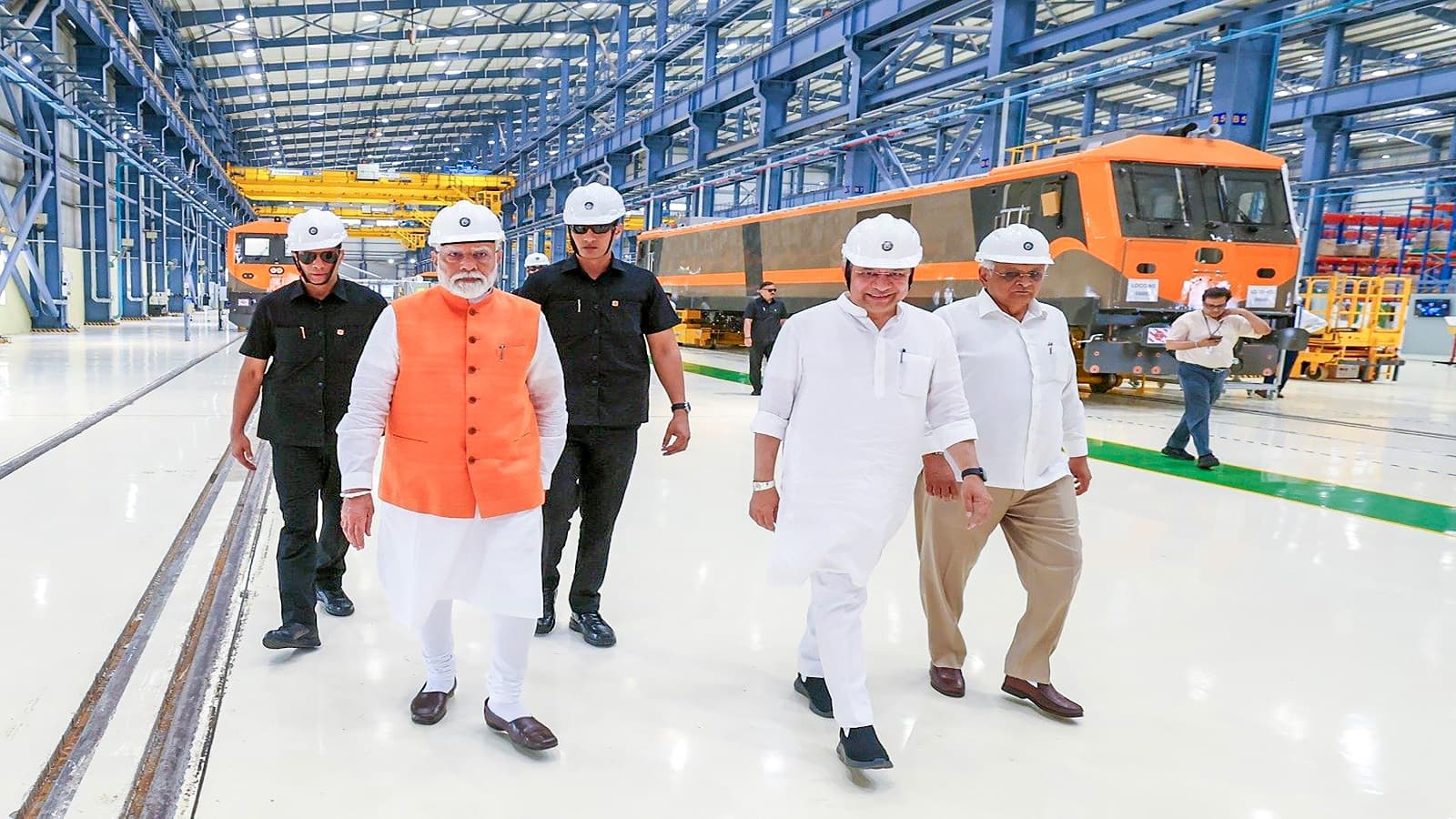
Prime Minister Narendra Modi on Friday highlighted the achievements of the ‘Make in India’ initiative as it marked 12 years. The Prime Minister stated that the initiative has led to more being made in India, more investment in India, and more exports from India. PM Modi noted that this transformation is visible across sectors. In a post on X, the Prime Minister said: "More made in India. More investment in India. More exports from India.
A transformation visible across sectors!” Electronics production in India has increased nearly sevenfold, from Rs 1.9 lakh crore in 2014-15 to Rs 13.11 lakh crore in 2025-26, while the value of indigenous defence production increased from Rs 46,429 crore in 2014-15 to a record Rs 1.78 lakh crore in FY 2025-26. Twelve years ago, on September 25, 2014, ‘Make in India’ was launched with the ambition of becoming a global hub for manufacturing, design and innovation.

Today, the initiative focuses on 27 sectors, which include 15 in manufacturing and 12 in services. Within electronics production, mobile-phone production rose approximately 33-fold, from Rs 18,000 crore to Rs 6.27 lakh crore over the same period. India is the world’s second-largest mobile phone manufacturer by volume. According to a government factsheet, vehicle production reached 31.03 million units in 2024-25, 33 per cent higher than in 2014-15. Several vehicle segments also recorded significantly higher production in 2024-25 compared with 2020-21.
Meanwhile, the pharmaceutical industry today ranks third globally by volume and 11th by value. Annual turnover reached Rs 4,71,898 crore in 2024-25, with a 9.5 per cent CAGR since 2020-21. Domestic manufacturing of medical devices rose by 48.2 per cent, from Rs 28,000 crore in 2019-20 to Rs 41,500 crore in 2024-25. Earlier in the day, PM Modi, while interacting with participants of the Seva Yatra travelling from Varanasi to Vadnagar under the Seva Sankalp Abhiyan, said that India must work towards becoming self-reliant and face challenges with determination and a spirit of service.
"We have to make a self-reliant India. Challenges will come. But we carry the values and mindset to challenge those challenges directly. That is why, every day, with new energy and a spirit of service, we must carry out the work of national welfare and national service. We have to live by the mantra of 'service to the people is service to the nation'," he said.
Disclaimer: “This story has been published from a syndicated news feed. Only the headline and subtitle have been edited by EPN.”

UAE science festival to feature 80 workshops in Al Ain

Facing risk of losing ancient knowledge, China establishes rare disciplines school

From smart classrooms to surveillance concerns: Why China's Nanjing University rolled back AI feature

Screen time concerns shape Japan's digital textbook policy, printed books to remain primary

Black holes: Where space, time and the laws of physics break down
Facing risk of losing ancient knowledge, China establishes rare disciplines school
From smart classrooms to surveillance concerns: Why China's Nanjing University rolled back AI feature
Screen time concerns shape Japan's digital textbook policy, printed books to remain primary

From admissions to employment, J&K brings private universities under 25% domicile quota

After NEET paper leak row, NTA moves to expand examination center network

UAE science festival to feature 80 workshops in Al Ain
Facing risk of losing ancient knowledge, China establishes rare disciplines school
From smart classrooms to surveillance concerns: Why China's Nanjing University rolled back AI feature
Screen time concerns shape Japan's digital textbook policy, printed books to remain primary
Black holes: Where space, time and the laws of physics break down
Facing risk of losing ancient knowledge, China establishes rare disciplines school
From smart classrooms to surveillance concerns: Why China's Nanjing University rolled back AI feature
Screen time concerns shape Japan's digital textbook policy, printed books to remain primary
From admissions to employment, J&K brings private universities under 25% domicile quota
After NEET paper leak row, NTA moves to expand examination center network
Copyright© educationpost.in 2026 All Rights Reserved.