
Los Angeles schools disable Google’s AI search feature for students
The US school district moves to restrict AI-generated search summaries over concerns about their impact on student learning and independent thinking.
Written by: Amin Masoodi5 Min Read · Updated:
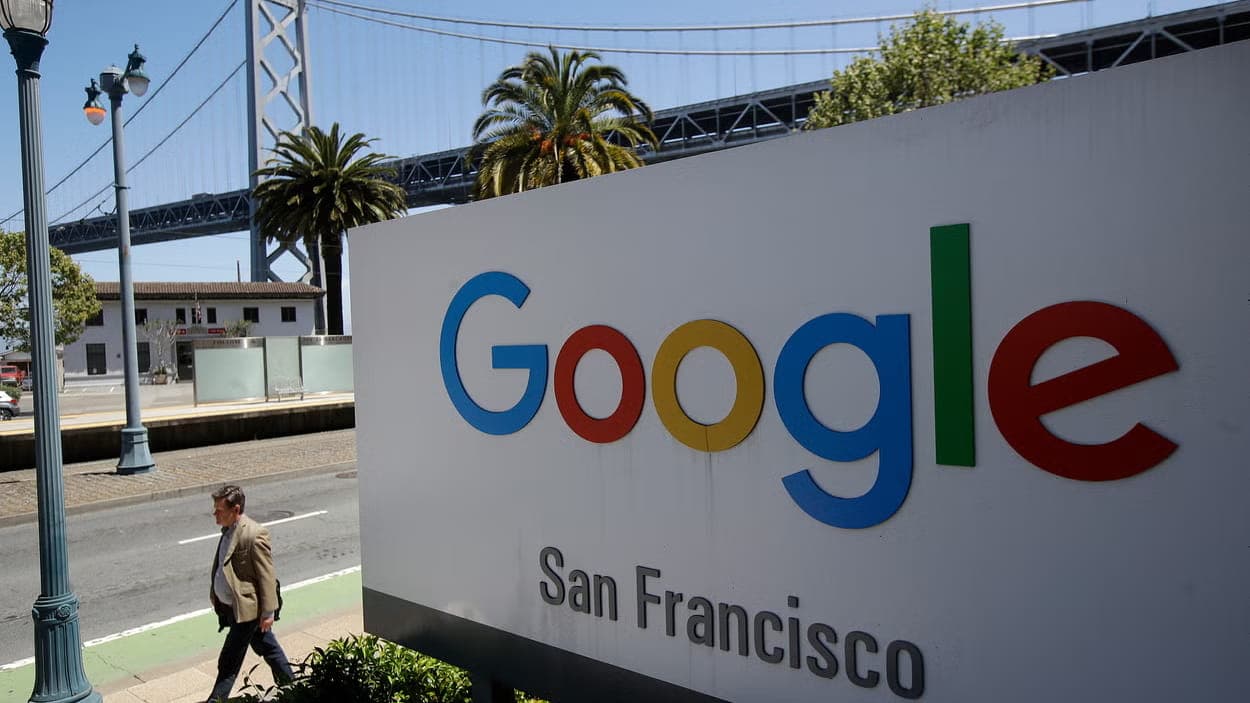
A growing confrontation between American school districts and technology giant Google is intensifying as education authorities push back against the integration of artificial intelligence into classroom tools, with Los Angeles taking a significant step by disabling AI-generated search summaries on student devices.
The Los Angeles Unified School District (LAUSD), which serves approximately 500,000 students, has quietly removed Google's AI Overview feature from searches conducted on school-issued devices, making it the largest school district in the United States to take such action. The decision reflects mounting concerns among parents, teachers and education advocates that the rapid expansion of artificial intelligence could undermine students' ability to think independently, develop research skills and engage meaningfully with classroom learning.
The move reportedly came shortly after members of the advocacy group Schools Beyond Screens LA raised concerns at a November 13 meeting of the district's school board committee on artificial intelligence. By the following Monday, the AI-generated summaries had disappeared from Google searches on student devices. Bridie Lee, a representative of the advocacy group, said the sudden change quickly became a talking point among parents and students.
"It was the talk of the playground," Lee said. The group subsequently asked parents to share videos showing the search experience on school-issued laptops. The recordings confirmed that AI Overview was no longer appearing, prompting campaigners to seek clarification from district officials. Lee welcomed the decision, arguing that artificial intelligence was spreading across educational environments without sufficient public consultation or consideration of its consequences for learning.
She described the growing integration of AI into everyday digital tools as a threat to meaningful education and criticised what she viewed as excessive corporate influence over public school technology policies. The district confirmed that it had temporarily suspended AI Overview to ensure student experiences remained age-appropriate and safe. It also said it regularly reviews digital safeguards, including those involving third-party technology providers.
However, officials have not disclosed how long the restriction will remain in place or provided detailed information about the technical arrangements behind the decision.
Google's growing influence faces resistance
Google has become deeply embedded in American education through its affordable Chromebook laptops and widely used applications such as Google Classroom and Google Docs, which support classroom activities, assignments and communication between students and teachers.
But its expanding AI ecosystem is increasingly creating friction with school authorities seeking greater control over how students interact with technology. In September, New York City and Los Angeles, the country's two largest school districts, announced one-year restrictions on students' use of generative AI as they worked towards developing comprehensive policies governing the technology.
Los Angeles has prohibited students from using AI on school devices across kindergarten through Grade 12, while New York introduced restrictions covering elementary and middle school students. The controversy intensified after Google announced in August that its Gemini chatbot would be made available to many kindergarten-through-Grade 12 students through Google Classroom.
Following criticism from educators and parents, the company announced in early November that Gemini and its search tools would be switched off by default for K-12 schools in the coming months. School administrators would have to activate individual services if they wanted students to use them. However, Google's position has raised a fundamental concern among school authorities: disabling AI could also mean losing access to conventional internet searches.
Chris Phillips, Google's vice-president for education was quoted as saying by The New York Times that search and artificial intelligence were now closely integrated. He indicated that schools choosing to prohibit AI would also lose student access to search, with users instead receiving a notification that the service was unavailable.
That position has fuelled criticism that schools are being forced to accept AI integration as a condition for retaining access to a basic educational resource.
Google employees also question the approach
Opposition to the company's position is not limited to educators and parents.
Hundreds of Google employees reportedly signed a petition earlier this month urging the company's leadership to allow schools to disable AI features without disrupting access to its conventional search engine. The employees argued that the company's approach risked creating the impression that schools were being penalised for declining to adopt artificial intelligence.
They also highlighted growing concerns among students, teachers and parents, noting that several school districts had already introduced restrictions or temporary bans on AI use.
The petition urged Google to respect users' concerns and provide educational institutions with greater flexibility in deciding how its products should be used. Google, meanwhile, maintains that it understands concerns about students relying on AI to bypass the learning process and says its objective remains supporting teachers and improving educational outcomes.
Instead of offering a completely AI-free version of its search engine, the company has proposed a pilot feature called Guided Learning. The tool is designed to take students through complex problems step by step, encouraging them to understand the process rather than simply receiving ready-made answers.
Google said it was developing these learning experiences in collaboration with educators and taking their feedback into account. However, the feature has not yet become available, and education campaigners continue to demand a straightforward option allowing schools to separate conventional searches from AI-generated content.
Los Angeles signals it could move beyond Google
The district's resistance extends beyond AI-generated summaries. Jack Kelanic, LAUSD's chief information officer, told a school board committee that the district had already disabled Google's AI Mode on student-issued devices at the beginning of the academic year, although teachers and other staff members retained access.
He said the company's expanding AI integration represented a deeper embedding of artificial intelligence across its education products. Kelanic also made clear that Los Angeles was not obligated to remain dependent on Google's services if future changes conflicted with the district's educational priorities.
"We have choices," he said, adding that the district could switch its default search engine almost overnight. The warning underscores the growing possibility that school districts could reconsider their dependence on major technology companies as debates over AI, student privacy, independent thinking and educational quality intensify.
For schools, the challenge is no longer simply whether artificial intelligence belongs in classrooms, but how to ensure that emerging technologies strengthen learning rather than replace the intellectual effort that education is meant to develop.
Also read