A Made-in-India hydrogen cooking stove is reimagining the future of kitchens by eliminating the need for LPG cylinders and replacing them with a cleaner, alternative fuel source — green hydrogen.
Priced at around ₹1,50,000 per unit, the plug-and-use system is designed for both domestic and commercial environments. Unlike conventional gas stoves that rely on stored LPG, this device operates entirely on hydrogen, offering a fundamentally different approach to cooking.

With rising interest in sustainable energy solutions, the stove is already being explored across sectors—from community kitchens to research laboratories—marking a significant shift in how cooking technology could evolve.
What sets the hydrogen stove apart
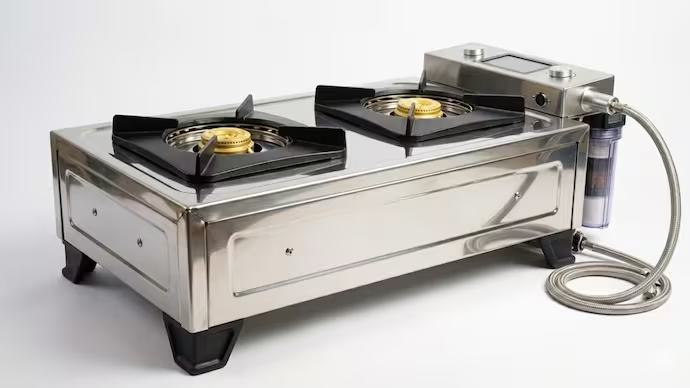
This is not a modified gas stove but a purpose-built system designed exclusively for hydrogen fuel.
Key features include:
- Runs on 100% green hydrogen
- Equipped with two burners
- Built with a durable stainless-steel body
- Suitable for both household and commercial use
While it resembles a standard tabletop stove with manual ignition, its internal mechanism sets it apart from LPG-based systems.
How the technology works
The stove uses a catalytic hydrogen burner, enabling controlled heat output.
In practice:
- Hydrogen acts as the primary fuel
- The burner allows low-flame or near-flameless cooking
- Heat is distributed evenly for consistent results
Unlike LPG systems that depend on pressurised cylinders, this stove uses a controlled hydrogen flow, removing the need for fuel storage in traditional form.
Zero emissions and quiet operation
One of the most significant advantages of the hydrogen stove is its clean output.
It produces:
- No CO₂
- No carbon monoxide
- No visible smoke
Additionally, the stove operates quietly without vibration, making it suitable for indoor environments where low noise and clean air are critical.
Beyond household kitchens
Although designed for home use, the stove’s current applications extend far beyond domestic spaces.
It is being tested for:
- Government-led clean energy initiatives
- Research and laboratory use
- Community kitchens and canteens
- Defence and remote operations
- Institutional and industrial cooking setups
This positions the technology as part of broader clean-energy experimentation rather than an immediate household replacement.
Safety and build features
Given hydrogen’s properties, the stove incorporates multiple safety mechanisms to ensure controlled usage.
These include:
- Flame arrestor
- Pressure regulation system
- Hydrogen-compatible valves
- Robust stainless-steel construction
Such features are aimed at maintaining operational stability over extended use.
Price and adoption challenges
At ₹1,50,000, the hydrogen stove remains out of reach for most households. Its current deployment is largely limited to pilot projects and organisations exploring alternative energy solutions.
Widespread adoption will depend on several factors, including cost reduction, hydrogen availability, and ease of integration into everyday cooking practices.
While it may not replace LPG immediately, the hydrogen stove signals a clear direction for the future —moving kitchens away from conventional cylinders towards cleaner, sustainable fuels.