


World Bank Executive Director Neelkanth Mishra says India need not worry about FCNR(B) deposit repayments, noting the relatively cheap foreign-currency funding can be rolled over.
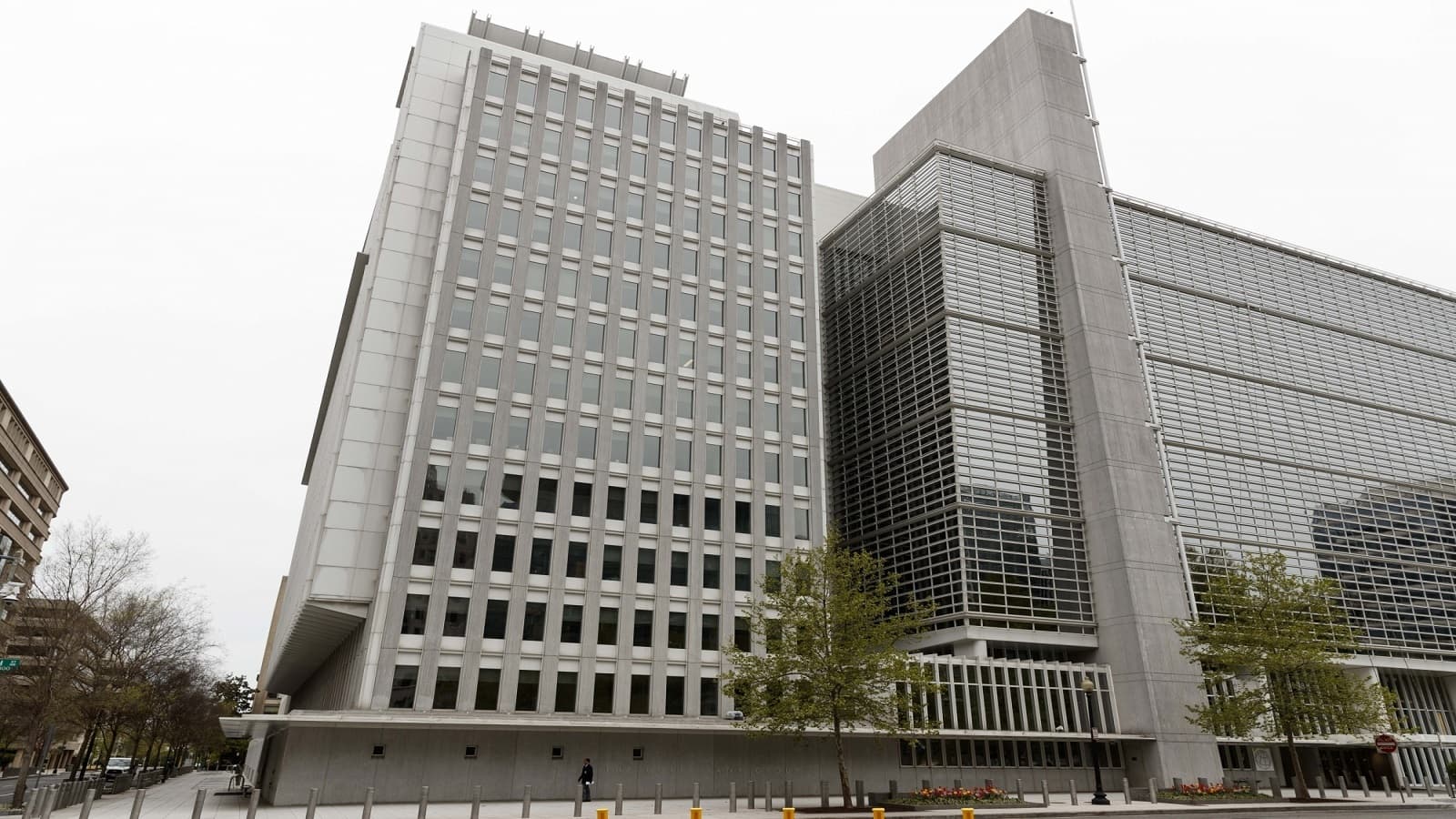
India need not worry about repayment of foreign currency non‑resident (bank) FCNR (B) deposits when they mature in five years, World Bank Executive Director for India, Neelkanth Mishra, as the instrument is a relatively cheap source of capital that can be rolled over if global financing conditions remain unfavourable. In an interview with NDTV Profit, Mishra said India is getting it at 6.5–7 per cent interest which is, “reasonably cheap capital,” adding that if conditions remain tight when the deposits mature, the country can issue another FCNR(B).
“There's no reason why this should not work again,” the report cited Mishra as saying. India’s special USD‑INR forex swap facility drew $136.4 billion in foreign‑currency inflows (as of August 31, 2026), with FCNR(B) deposits accounting for 93 per cent of that amount. FCNR(B) holdings stood at $127.2 billion, while overseas foreign‑currency borrowings contributed $5.26 billion and external commercial borrowings $3.89 billion, Mishra noted. “Every single dollar flow is a liability,” irrespective of source of inflow such as FDI, portfolio investment or other channels, he said. India's current account deficit must be viewed as a savings-investment gap, rather than as an indication of the country's economic weakness, he added.

“When you have a current account deficit, you are taking on liability. So you are either selling assets... or you are taking on debt,” he said. The debt could be foreign portfolio investments, private equity investments, external commercial borrowings and foreign investors buying Indian bonds. In terms of external debt position or external debt to GDP perspective, India is a very healthy economy which is growing fast, he said. He mentioned the country’s biggest concern is the ways in which foreign capital is put to use, Mishra noted.
Disclaimer: “This story has been published from a syndicated news feed. Only the headline and subtitle have been edited by EPN.”

Facing risk of losing ancient knowledge, China establishes rare disciplines school

From smart classrooms to surveillance concerns: Why China's Nanjing University rolled back AI feature

Screen time concerns shape Japan's digital textbook policy, printed books to remain primary

Black holes: Where space, time and the laws of physics break down

Santa Barbara City College in US sees sharp fall in international student enrolment
Facing risk of losing ancient knowledge, China establishes rare disciplines school
From smart classrooms to surveillance concerns: Why China's Nanjing University rolled back AI feature
Screen time concerns shape Japan's digital textbook policy, printed books to remain primary

From admissions to employment, J&K brings private universities under 25% domicile quota

After NEET paper leak row, NTA moves to expand examination center network

Facing risk of losing ancient knowledge, China establishes rare disciplines school
From smart classrooms to surveillance concerns: Why China's Nanjing University rolled back AI feature
Screen time concerns shape Japan's digital textbook policy, printed books to remain primary
Black holes: Where space, time and the laws of physics break down
Santa Barbara City College in US sees sharp fall in international student enrolment
Facing risk of losing ancient knowledge, China establishes rare disciplines school
From smart classrooms to surveillance concerns: Why China's Nanjing University rolled back AI feature
Screen time concerns shape Japan's digital textbook policy, printed books to remain primary
From admissions to employment, J&K brings private universities under 25% domicile quota
After NEET paper leak row, NTA moves to expand examination center network
Copyright© educationpost.in 2026 All Rights Reserved.