


BCCI defends India’s participation in the Asia Cup 2025 clash against Pakistan, citing alignment with government policy and multinational tournament rules, even as families of Pahalgam attack victims and social media users call for a boycott.
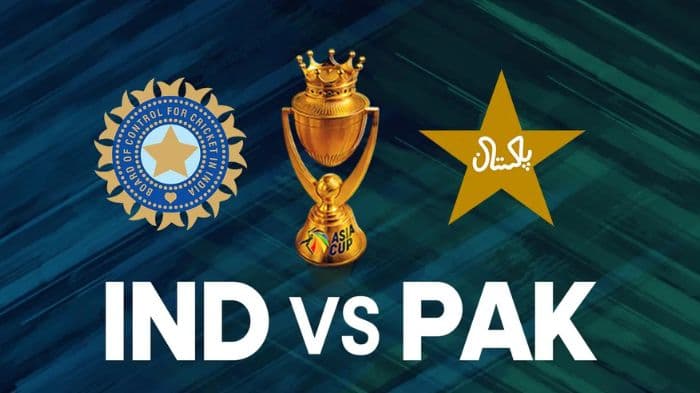
The Board of Control for Cricket in India (BCCI) has defended its decision to participate in the India vs Pakistan match at the Asia Cup 2025, scheduled in Dubai on Sep 14. This comes despite public outcry following the deadly Pahalgam terror attack in Jammu and Kashmir earlier this year.
BCCI Secretary Devajit Saikia explained that the board's participation was in line with the central government's policy, which permits involvement in multilateral tournaments but prohibits bilateral engagements with hostile nations.

He emphasized that boycotting such international events could jeopardize India's future bids to host global tournaments like the Olympics or FIFA events.
Saikia likened the Asia Cup to other multinational competitions, stating, "We cannot boycott the multinational tournament because if we boycott this tournament, that will bring a lot of negativity for all our future endeavors of hosting any multinational tournament in the country."
The BCCI's stance has faced criticism from various quarters. Family members of the Pahalgam attack victims have expressed their distress over the match, with some labeling it an insult to the sacrifices made by the victims and soldiers. Sawan Parmar, who lost his father and brother in the attack, remarked that the operation seemed like a "waste" now.
Calls for a boycott have gained traction on social media, with hashtags like #BoycottIndvsPak trending. Some users have urged fellow citizens to refrain from watching the match as a mark of respect for the victims.
Despite the backlash, the BCCI maintains that its participation is in the best interest of the sport and aligns with national policy. The match is set to take place at the Dubai International Cricket Stadium, with live coverage available on Sony Sports Network and streaming on the SonyLIV app.
Supreme Court’s Rising Caseload: Why India Needs Stronger Filters for Appeals

vChina’s Grey-Zone Warfare Along the LAC: Challenges for India

Microsoft Offers Voluntary Exit Packages to Employees in India Amid AI-Led Restructuring

Revenue Surges as Computing Costs and Financial Commitments Rise

China’s Grey-Zone Warfare Along the LAC Poses Strategic Challenges for India
South Africa study finds university mentors boost school pupils’ confidence

The Most Persistent Weakness in India’s Engineering Education System Is the Gap Between Knowing and Doing

Study in Singapore 2027: Top Universities, Fees, Scholarships, Student Visa and Jobs for Indian Students

Study in Taiwan 2027: Top Universities, Fees, Scholarships, Student Visa and Jobs for Indian Students

Study in Hong Kong 2027: Top Universities, Fees, Scholarships, Visa and Career Opportunities for Indian Students

Supreme Court’s Rising Caseload: Why India Needs Stronger Filters for Appeals
vChina’s Grey-Zone Warfare Along the LAC: Challenges for India
Microsoft Offers Voluntary Exit Packages to Employees in India Amid AI-Led Restructuring
Revenue Surges as Computing Costs and Financial Commitments Rise
China’s Grey-Zone Warfare Along the LAC Poses Strategic Challenges for India
South Africa study finds university mentors boost school pupils’ confidence
The Most Persistent Weakness in India’s Engineering Education System Is the Gap Between Knowing and Doing
Study in Singapore 2027: Top Universities, Fees, Scholarships, Student Visa and Jobs for Indian Students
Study in Taiwan 2027: Top Universities, Fees, Scholarships, Student Visa and Jobs for Indian Students
Study in Hong Kong 2027: Top Universities, Fees, Scholarships, Visa and Career Opportunities for Indian Students
Copyright© educationpost.in 2026 All Rights Reserved.