The Changing Age of Competitive Exam Aspirants as Starting Line Shifts Earlier
As competitive exams grow more intense, students are beginning preparation earlier than ever, with middle school emerging as the new starting point, reshaping learning, pressure, and educational priorities, writes Pragya Kumari.
Pragya Kumari31 March 2026 17:13
"Education is the most powerful weapon which you can use to change the world." - Nelson Mandela (Activist and former President of South Africa)
The image of a competitive exam aspirant in India has long been associated with late teens or early twenties, a phase marked by board exams, college applications, and career-defining choices. That image is steadily changing.
Today, preparation for high-stakes exams such as JEE and NEET is beginning much earlier, often in middle school, reshaping not just academic timelines but the very experience of growing up.
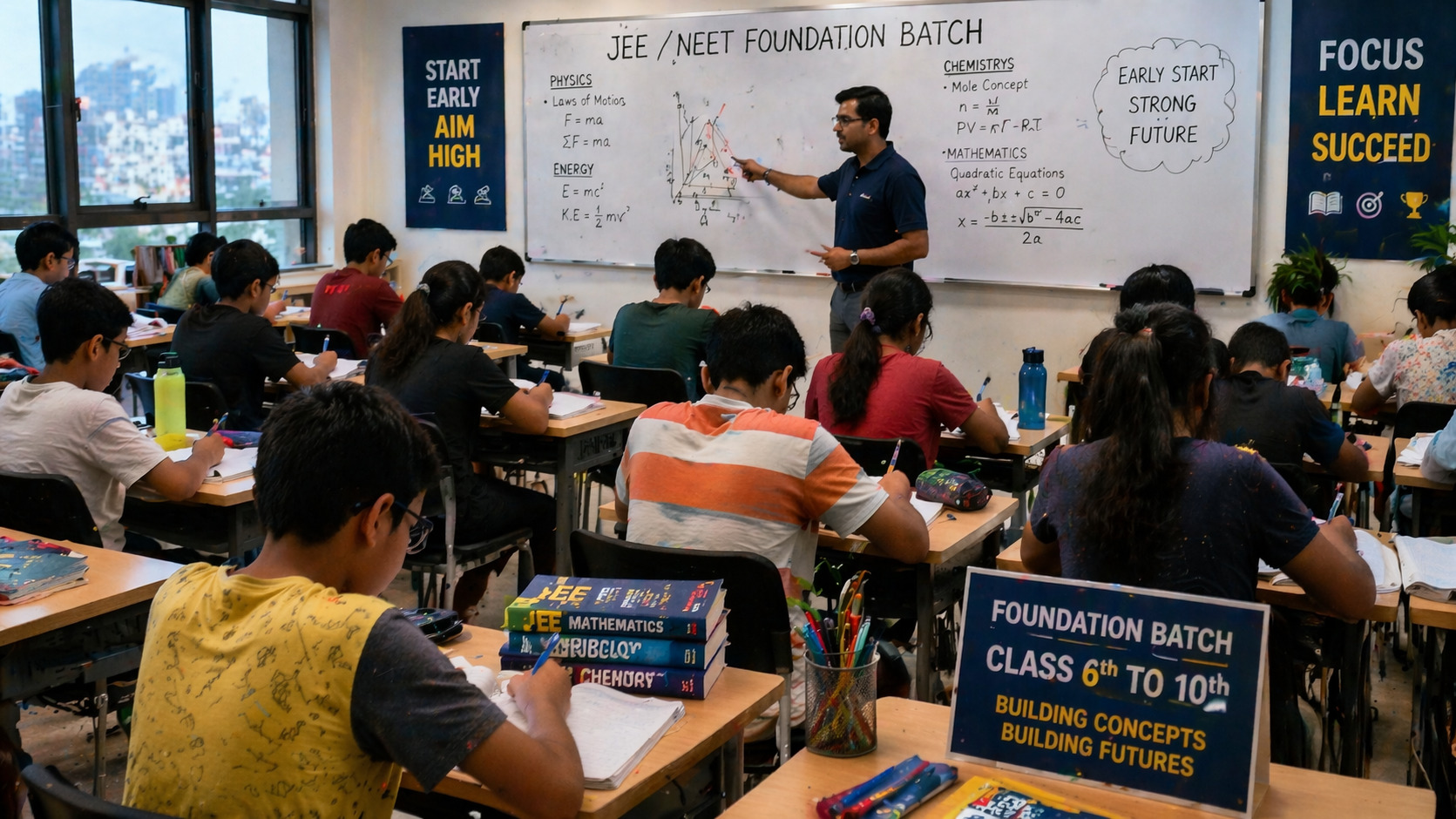
Across India, students as young as 12 or 13 are enrolling in structured coaching programs. What was once a two-year preparation cycle during Classes 11 and 12 has expanded into a multi-year process that can begin as early as Class 6. The starting line has shifted, and with it, the expectations placed on students.
A Younger Pool of Aspirants
The rise of foundation courses is one of the clearest signs of this transition. Coaching institutes that traditionally catered to senior secondary students now offer dedicated programs for Classes 6 to 10. In major coaching networks, industry estimates suggest that nearly 30% to 40% of enrollments come from these early-stage batches.
At the same time, the scale of competitive exams continues to grow. NEET-UG registrations have crossed 2 million candidates in recent years, while JEE Main consistently attracts over 1 million aspirants annually.
Despite an increase in available seats, the competition remains intense. India now has over 100,000 MBBS seats, yet only a fraction of applicants secure admission. Similarly, IITs offer around 17,000 seats, making selection highly competitive.
This imbalance between demand and supply has reinforced the perception that starting early offers a strategic advantage.
Why Preparation Is Starting Earlier
Several factors are driving this shift. The most immediate is competition. With more candidates appearing for exams each year, even small differences in scores can determine outcomes. Starting early is seen as a way to build a stronger foundation and gain an edge.
Parents are key decision-makers in this process. For many, competitive exams represent stable and prestigious career pathways. Early preparation is viewed as a long-term investment, particularly in a system where uncertainty is high.
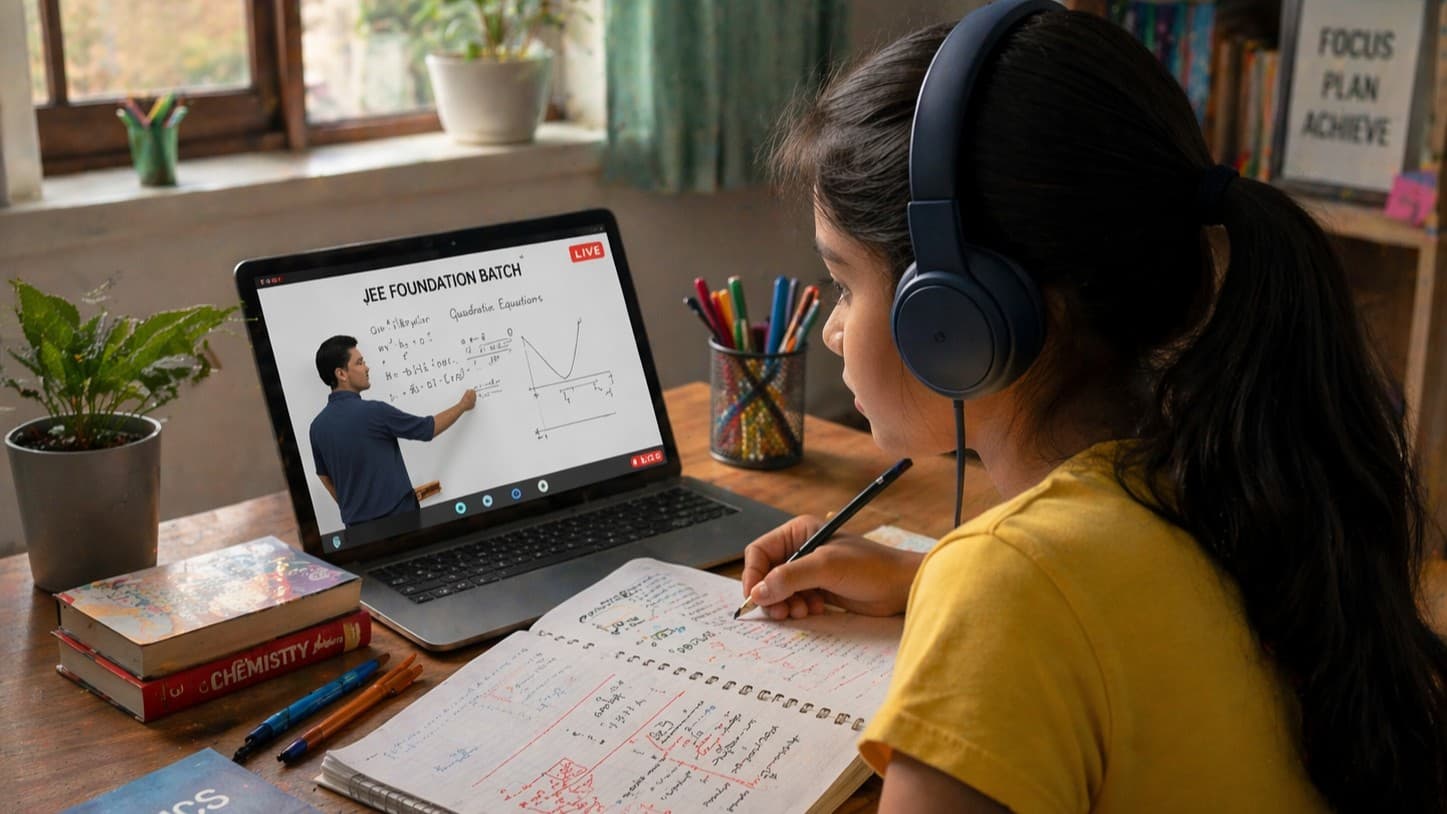
The coaching industry has also evolved significantly. What was once concentrated in cities like Kota, Hyderabad, and Delhi is now accessible across the country through digital platforms. Online classes, recorded lectures, and adaptive learning tools allow students to begin preparation without relocating, making early entry easier.
Schools are increasingly aligning with this trend. Integrated programs that combine board curriculum with competitive exam coaching are becoming more common, blurring the line between formal education and exam preparation.
The Economics of Early Preparation
The expansion of early preparation has created a new segment within the education market. Foundation courses, Olympiad training, and early talent identification programs have become major offerings for coaching institutes and EdTech platforms.
From a business perspective, early enrollment ensures long-term engagement. A student who joins in Class 6 may remain within the same system for several years. This has led to aggressive promotion of early-start programs, often framed as essential for success.
Scholarship tests targeting younger students are now widely used to attract enrollments. Discounts, rank-based incentives, and branding around “topper batches” reinforce the appeal of entering early.
EdTech platforms have further accelerated this trend by offering subscription-based learning, gamified content, and continuous assessment models tailored for younger learners.
Impact on Learning and Childhood
While early preparation can strengthen conceptual understanding, it also changes the nature of schooling. The focus increasingly shifts toward exam-oriented learning, emphasizing speed, accuracy, and performance in tests.
Students in foundation programs often manage tightly structured schedules that include school, coaching, and self-study. Many report spending an additional 4 to 6 hours daily on preparation beyond schoolwork, even in middle grades.
This leaves limited time for extracurricular activities, hobbies, or unstructured play. The school years, traditionally seen as a period for exploration and holistic development, are increasingly becoming a phase of structured training.
There is also the question of sustainability. Starting early extends the duration of preparation, which can lead to fatigue. Maintaining motivation over several years is challenging, especially when the actual exam is still distant.
Mental Health and Pressure
The psychological impact of this shift is becoming more visible. Early exposure to competitive environments means prolonged periods of testing, evaluation, and comparison.
Regular mock tests, performance tracking, and peer benchmarking are now part of everyday academic life for many students. For some, this creates a sense of constant pressure.
Studies and reports from coaching hubs indicate rising stress levels among aspirants. While not all of this can be attributed solely to early preparation, the extended duration of pressure is a significant factor.
Students who begin later may also feel disadvantaged, reinforcing the idea that early preparation is necessary. This perception further normalizes the trend.
Equity and Access
The shift toward earlier preparation also highlights existing inequalities. Long-term coaching requires financial resources, access to quality teaching, and a supportive environment.
Although digital platforms have expanded access, gaps remain. Reliable internet, devices, and quiet study spaces are not universally available. Students from rural or economically weaker backgrounds may still enter the system later, not due to lack of ability but due to structural constraints.
As the starting line moves earlier, these disparities risk widening. Without targeted policy interventions, early preparation could deepen existing inequities in access to opportunity.
Does Starting Early Guarantee Success
Despite its growing popularity, early preparation does not guarantee results. Success in competitive exams depends on multiple factors, including conceptual clarity, consistency, exam strategy, and the ability to perform under pressure.
While some top rankers have long preparation timelines, others begin focused study only in Classes 11 and 12 and still achieve strong results. The relationship between duration of preparation and success is not always direct.
In some cases, students who start later benefit from greater maturity and focus, suggesting that quality of preparation may matter more than its length.
A System Under Pressure
The trend toward earlier preparation reflects the broader structure of India’s competitive exam system. High stakes, limited seats, and standardized testing have created an environment where families seek every possible advantage.
At the same time, education policy frameworks emphasize holistic learning and reduced reliance on rote methods. The persistence of high-stakes entrance exams creates a tension between these goals and the realities on the ground.
Looking Ahead
The changing age of competitive exam aspirants is more than a shift in timelines. It represents a transformation in how education, ambition, and success are understood.
As preparation begins earlier, the challenge is to balance rigor with well-being and opportunity with equity. The key question is not just when students should start, but how the system can ensure that early preparation remains meaningful and sustainable.
As the starting line continues to move, the future of competitive exams in India will depend on how institutions, policymakers, and families respond to this evolving landscape.