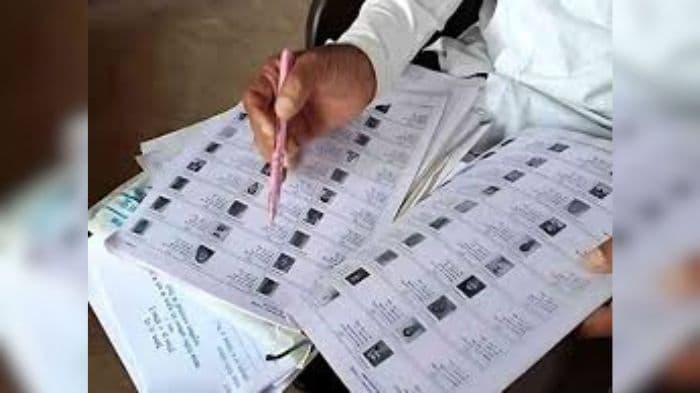
The Supreme Court of India on Friday intervened in the ongoing controversy over the Special Intensive Revision (SIR) of electoral rolls in West Bengal, directing the Calcutta High Court to appoint serving and retired judicial officers to oversee the verification of claims and objections as the revision process faces a standstill. The top court made its order during a hearing concerning multiple petitions related to the SIR exercise.
A bench comprising Chief Justice of India Surya Kant, Justice Joymalya Bagchi and Justice Vipul M. Pancholi took note of the sharp disagreements between the West Bengal government and the Election Commission of India (ECI) over the pace and conduct of the SIR, which aims to clean up the voter lists ahead of upcoming elections.

Noting an “unfortunate blame game” and a “trust deficit” between the constitutional authorities, the court said neutral, experienced judicial officers could help restore confidence in the revision process.
During Friday’s hearing in the case, the Supreme Court also highlighted practical hurdles in the voter revision exercise, including disputes over the qualifications and roles of officers involved in claims and objections.
The court observed that where existing officials were unable to cooperate or were disputed by the parties, officers of the rank of District Judge or Additional District Judge should step in.
The SIR exercise in West Bengal became contentious after the state government and the EC clashed over the deployment and rank of officials responsible for scrutinising voter documents and handling claims and objections.
Earlier hearings revealed that the process had been slowed by disagreements and that the deadline for verification had been extended by the Supreme Court to allow additional time for compliance.
Chief Minister Mamata Banerjee has personally challenged aspects of the SIR process before the apex court, arguing that the drive was aimed at disenfranchising certain voters rather than inclusively updating the rolls.
Conversely, the ECI has asserted its authority to conduct the exercise and has countered accusations by highlighting procedural steps taken to ensure accuracy.
The top court’s order comes against the backdrop of nationwide SIR activities, which have already been undertaken in multiple states and Union Territories and are expected to expand further.
Separately, the Supreme Court recently refused to entertain a plea seeking a Special Intensive Revision of electoral rolls in Assam, finding the petition infructuous since the final voter list for that state had already been published.
The Court noted that factors unique to Assam’s legislative and judicial framework governed how voter revisions are conducted there.