Amid rising global energy uncertainty triggered by tensions in West Asia, Prime Minister Narendra Modi recently underscored the strategic importance of India’s ethanol blending programme, positioning it as a critical shield against soaring crude oil imports.
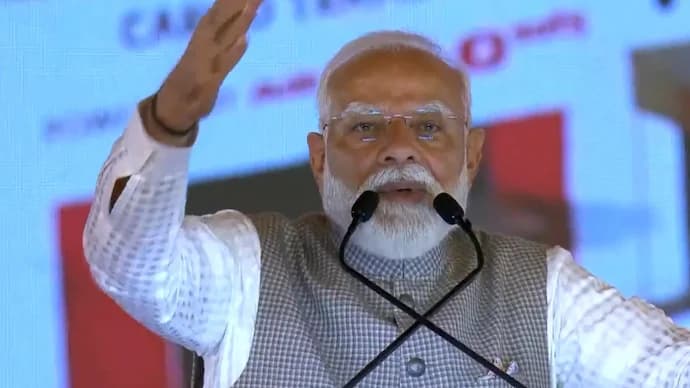
Addressing the inauguration of the Noida International Airport in Jewar, the Prime Minister credited sugarcane farmers—particularly from western Uttar Pradesh—for playing a pivotal role in reducing India’s fuel import burden and conserving foreign exchange.

“Had it not been for ethanol blending, we would have had to import 4.5 crore barrels from abroad,” he said, highlighting the scale of savings enabled by the policy.
Ethanol blending gains momentum
India’s ethanol blending initiative—aimed at cutting crude imports, lowering emissions, and boosting rural incomes—has accelerated sharply in recent years. The country achieved its target of 20% ethanol blending in petrol (E20) last year, five years ahead of schedule.
From April 1, oil marketing companies have been mandated to supply E20 fuel across all states and Union Territories, marking a nationwide rollout of blended petrol.
The government has now set a more ambitious target—raising ethanol blending to 30% by 2030—further deepening its push towards energy self-reliance.
According to the Ministry of Petroleum and Natural Gas, India has saved approximately ₹1.36 lakh crore in foreign exchange over the past decade by reducing dependence on imported crude.
Hormuz shadow and global risk
The Prime Minister’s remarks come against the backdrop of heightened geopolitical tensions in West Asia, a region that accounts for over 40% of India’s oil imports. The ongoing conflict has driven crude prices higher, intensifying concerns over supply disruptions and inflationary pressures.
Reassuring citizens, Modi said the government is actively managing the situation to prevent any fuel shortages, even as global markets remain volatile.
Call for calm and unity
Framing the crisis as a global challenge, Modi urged citizens to remain united and resilient.
“We must face this crisis calmly, with patience and unity. While it is a global situation, India’s interests must remain our priority—that is our greatest strength,” he said.
As uncertainty looms over global energy routes, India’s accelerated ethanol push appears set to play a defining role in cushioning the economy from external shocks while advancing its long-term goal of a ‘Viksit Bharat’.



.jpg&w=256&q=75)
.jpg&w=256&q=75)