


Canada’s restrictions on refugee claims are drawing criticism from migrant-rights advocates and international education stakeholders, who warn that students facing persecution may struggle to access a full asylum hearing. Indian students accounted for the largest number of student asylum claims reported for 2025.
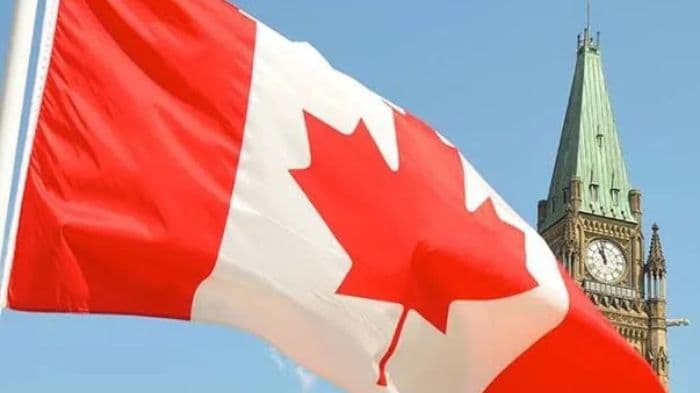
Canada’s tighter asylum eligibility rules are raising concerns about the options available to international students who fear persecution if they return to their home countries.
The changes under Bill C-12, the Strengthening Canada’s Immigration System and Borders Act, became law on March 26. Under the new rules, certain claims made more than one year after a person’s first entry into Canada will not be referred to the Immigration and Refugee Board (IRB) for a hearing.

A separate restriction applies to people who enter Canada irregularly across the US land border and claim asylum more than 14 days later.
The measures are intended to reduce pressure on Canada’s asylum system and discourage the use of refugee claims as an alternative route to immigration. However, critics argue that the restrictions could affect people whose circumstances change after they arrive, including international students who later face risks in their home countries.
Indian students among those seeking asylum
Official figures show that Indian students filed 3,815 asylum claims in Canada between January and August 2025, the highest number among international student claimants during that period. Guinea followed with 1,254 claims and Nigeria with 1,059.
The figures relate to claims filed by students, not the number of applications accepted or the number of students granted refugee status. Filing an asylum claim does not itself establish eligibility for protection.
International students may seek asylum after their study permits expire if they believe returning home would expose them to persecution. The circumstances and merits of individual claims vary, and the new rules do not mean that all international students who seek asylum will be refused protection.
Critics question access to a full hearing
The World Sikh Organization of Canada has raised concerns about the effect of the changes on people who fear persecution, including Sikh students from Punjab. Its legal counsel, Balpreet Singh, said that some applicants have well-founded fears about returning to their home countries.
The wider Bill C-12 reforms have also drawn criticism from legal and migration scholars. During a February discussion hosted by Toronto Metropolitan University’s Global Migration Institute, experts questioned whether the new process would provide adequate safeguards for vulnerable claimants and argued that it could shift pressure from the IRB to other parts of the immigration system.
The government maintains that affected claimants will still have access to a pre-removal risk assessment (PRRA), which is intended to help prevent people from being returned to countries where they face persecution, torture or other serious harm. However, the PRRA process differs from a full hearing before the IRB.
What the rules mean for claimants
The one-year restriction is tied to a person’s first entry into Canada after June 24, 2020, and applies to claims made on or after June 3, 2025. The separate 14-day restriction concerns people who cross the Canada-US land border between official ports of entry. Exceptions and individual circumstances may affect how the rules apply.
People whose claims are not referred to the IRB may still undergo a PRRA, but they should not assume that the process offers the same procedures or guarantees as a refugee hearing. The rules also do not automatically determine whether an individual will be removed from Canada; the outcome depends on the applicable legal process and the risks assessed in the person’s case.
For international students, the changes underline the importance of understanding the conditions of their immigration status and seeking qualified legal advice if they fear returning home. A student’s nationality or enrolment status alone does not establish whether a refugee claim is valid.

vivo Ignite 2026 recognizes 10 student innovations from across India, offers scholarships worth up to ₹35 lakh

Canada’s new asylum rules raise concerns over protection for international students

China’s graduate job crisis fuels paid internship boom as students pay thousands to gain edge

IIM Indore opens admissions for executive program in AI and cybersecurity
Schools Closed Today, October 29: Jharkhand, Andhra Pradesh, Chhattisgarh Announce Cyclone Arnab Holidays
Bihar’s NMCH suspends 146 students over ragging: Wake-up call for medical colleges

Bihar Teacher Salary Scam 2026: ₹1.85 Crore Irregularities Detected in Three Districts

No matter how many enter, how many make it to graduation?

UK universities face £925 annual levy for each international student from 2028

Jamia moves digital: Announces online exams, extends virtual classes amid campus unrest

vivo Ignite 2026 recognizes 10 student innovations from across India, offers scholarships worth up to ₹35 lakh
Canada’s new asylum rules raise concerns over protection for international students
China’s graduate job crisis fuels paid internship boom as students pay thousands to gain edge
IIM Indore opens admissions for executive program in AI and cybersecurity
Schools Closed Today, October 29: Jharkhand, Andhra Pradesh, Chhattisgarh Announce Cyclone Arnab Holidays
Bihar’s NMCH suspends 146 students over ragging: Wake-up call for medical colleges
Bihar Teacher Salary Scam 2026: ₹1.85 Crore Irregularities Detected in Three Districts
No matter how many enter, how many make it to graduation?
UK universities face £925 annual levy for each international student from 2028
Jamia moves digital: Announces online exams, extends virtual classes amid campus unrest
Copyright© educationpost.in 2026 All Rights Reserved.