


Protests outside a Board of Trustees meeting have intensified questions about Cornell University’s response to a former student’s allegations of sexual assault. The university has suspended fraternity social events and appointed an independent reviewer, but students continue to demand wider institutional changes.
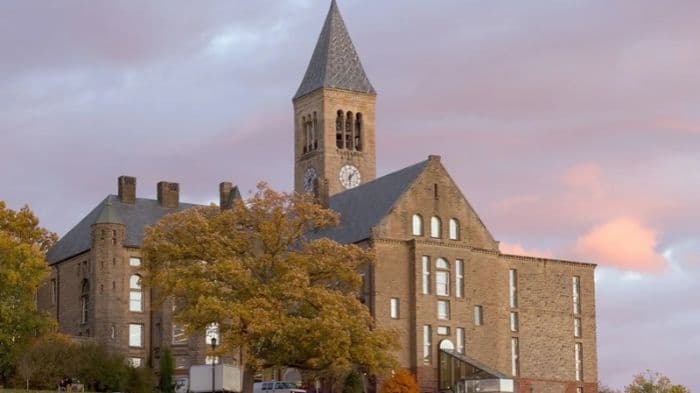
Cornell University is facing renewed scrutiny over campus safety, disciplinary procedures and trustee oversight after protesters demonstrated outside a Board of Trustees meeting in Ithaca, New York, on Oct 16, demanding accountability over the university’s handling of sexual assault allegations.
The protest followed a September lawsuit filed by a former student identified as Jane Doe, who alleges that seven men sexually assaulted her at the university’s Chi Phi fraternity house in October 2024 and that Cornell mishandled her complaints. The defendants have denied the allegations, and the claims remain allegations rather than established findings of criminal wrongdoing.

According to local public broadcaster WSKG, demonstrators staged a mock tribunal outside the trustees’ meeting as they pressed university leaders to change how sexual misconduct complaints are handled.
A separate report published on Oct 17 said protest organisers were seeking leadership changes, stricter accountability and reforms to the university’s student-conduct system.
The demonstrations have brought attention to a broader question facing Cornell: whether its policy changes will address students’ concerns about the reporting, investigation and handling of sexual misconduct complaints.
Cornell suspends fraternity social events
On Oct 13, Cornell President Michael Kotlikoff announced that all parties and social events in Interfraternity Council fraternity houses would be suspended for the remainder of the 2026–27 academic year.
The university said the suspension would provide time for a thorough review of fraternity life and whether such activities could continue safely. Fraternities violating the directive would face immediate emergency suspension.
Cornell also announced plans to expand support for people reporting sexual misconduct, including adding a case manager to help complainants navigate the university’s Office of Civil Rights. The university said it would work with New York State Police to enable experienced, trauma-informed investigators to assist with campus sexual assault investigations.
The measures followed mounting criticism over the university’s response to the 2024 allegations. Cornell had already barred the Chi Phi chapter from campus and imposed disciplinary sanctions through its internal procedures.
These actions represent immediate policy changes, but they do not resolve the wider questions raised by the lawsuit about how the university responded to the original complaint.
Independent review to examine university response
On Oct 6, a special committee of Cornell’s Board of Trustees appointed Sally Yates, a former US deputy attorney general and partner at King & Spalding, to lead an independent review of how the university prevents and responds to sexual harassment, sexual assault and related misconduct.
The review is intended to examine the university’s broader policies and practices as well as its handling of the specific allegations involving Jane Doe. Its remit includes compliance with applicable federal and New York state requirements, university disciplinary procedures and established practices for preventing and responding to sexual misconduct.
Cornell has said the review team will have access to relevant policies, records, case files and personnel, subject to applicable legal and privacy requirements. The team will report its findings and recommendations to the trustees’ special committee, and the Board has said it intends to share the results with the Cornell community.
The university has not provided a fixed completion date. The extent of the public disclosure of findings and recommendations will be important in assessing how the review translates into institutional changes.
Trustee oversight and student confidence
The protests coincided with the Board of Trustees’ scheduled autumn meetings on Oct 15 and 16. They also followed a tense Faculty Senate discussion on Oct 14, during which faculty members questioned university leadership about its handling of the case and raised concerns about trust in the administration, according to WSKG reporting.
The questions extend beyond the specific lawsuit. They include how sexual misconduct reports are investigated, how disciplinary decisions are made, what information is communicated to complainants and the wider campus community, and how the Board of Trustees will monitor the independent review and any resulting reforms.
Protest organisers have called for changes to university leadership and student-conduct procedures, while Cornell has pointed to its disciplinary actions, new safety measures and independent review. These positions reflect an ongoing dispute over whether the steps announced so far are sufficient.
The outcome will depend in part on the independent review’s findings, the university’s response to its recommendations and the extent to which the institution makes its decisions and subsequent reforms transparent.
For now, Cornell has introduced restrictions on fraternity events and additional support measures, but the protest movement indicates that questions about institutional accountability and confidence in campus safeguards remain unresolved.

Cornell faces renewed scrutiny as students protest handling of sexual misconduct allegations

2.6 million Afghan girls have lost five years of education, says UNICEF
Q Manivannan loses St Andrews rector race after rape comments controversy

Riyadh, Diriyah extend remote learning as security concerns persist

NSF commits over $110 million to advance next-generation wireless technology
2.6 million Afghan girls have lost five years of education, says UNICEF
Riyadh, Diriyah extend remote learning as security concerns persist
.jpg&w=256&q=75)
From Class 8 to hospital owner: Rajasthan Police expose alleged fake doctor registration

Who will lead Keralam's universities? Government begins steps to appoint permanent VCs
%20(1)%20(1).jpeg&w=256&q=75)
Why does cracking JEE Advanced depend on coaching? IIT Kanpur Director calls for a revamp

Cornell faces renewed scrutiny as students protest handling of sexual misconduct allegations
2.6 million Afghan girls have lost five years of education, says UNICEF
Q Manivannan loses St Andrews rector race after rape comments controversy
Riyadh, Diriyah extend remote learning as security concerns persist
NSF commits over $110 million to advance next-generation wireless technology
2.6 million Afghan girls have lost five years of education, says UNICEF
Riyadh, Diriyah extend remote learning as security concerns persist
From Class 8 to hospital owner: Rajasthan Police expose alleged fake doctor registration
Who will lead Keralam's universities? Government begins steps to appoint permanent VCs
Why does cracking JEE Advanced depend on coaching? IIT Kanpur Director calls for a revamp
Copyright© educationpost.in 2026 All Rights Reserved.