Canberra public schools face funding cuts as 18 lose more than 5% under new model
ACT government withholds names of affected schools despite mounting concerns over resource shortages, staffing pressures and unequal support for students with complex needs.
By Amin MasoodiUpdated

At least 18 public schools in Australia's capital, Canberra, will face funding cuts of more than 5 per cent next financial year under a revised education funding model, raising concerns over resource shortages and the ability of schools to meet students' needs.
The ACT government has confirmed the projected reductions but is refusing to publicly identify the affected schools, leaving parents, teachers and school communities uncertain about how the changes will affect their institutions. The funding overhaul comes against the backdrop of an independent review that highlighted deep-rooted challenges in the ACT public education system, including unequal staffing distribution, inadequate support for students with complex needs and growing workloads for school staff.
In August, the ACT Education Directorate announced a major restructuring of the way public school budgets are calculated, indicating that around 18 schools would experience funding reductions exceeding 5 per cent. Defending the changes, Education Minister Rachel Stephen-Smith said the revised allocations were guided by the independent review and aimed at distributing resources more equitably according to student needs.
While acknowledging that some schools would receive less funding, she said 22 schools would see increases of more than 5 per cent under the new arrangements. "The ACT government is investing $1.2 billion in the public school system this financial year, which represents a 7.3 per cent increase between the 2025-26 and 2026-27 budget," she said.
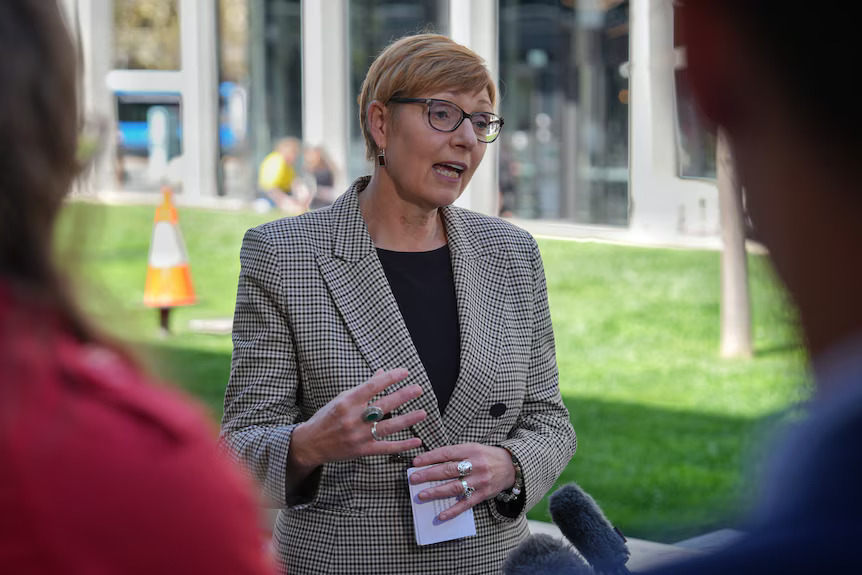
"This includes an additional $40.5 million investment in 2027 to meet student need." Stephen-Smith said school budgets were determined by several factors, including the socio-economic circumstances of students, the resources required to support children with disabilities and risks associated with issues such as occupational violence.
She said the government was moving towards a funding framework that better reflected the varying needs and challenges of individual schools.
Schools await clarity as staffing decisions loom
The funding reductions will not be limited to the 18 schools facing cuts of more than 5 per cent, with other institutions also expected to experience smaller budget adjustments.
However, the government confirmed that no specialist school in the ACT would lose funding between 2025 and 2027. Education Directorate Director-General Jo Wood said the confirmation of projected school budgets would allow principals to finalise staffing arrangements and plan for the coming months. She said schools relied on a substantial casual workforce whose numbers fluctuated throughout the academic term, making certainty over funding essential for staffing decisions.
"Now that schools have their final projected budget, that's actually what's going to enable them to make final decisions about staffing," Wood said. Despite growing interest in the financial implications for individual institutions, the government has maintained its position that it will not disclose which schools are receiving funding increases or reductions.
Stephen-Smith defended the decision, citing concerns about the psychological pressures faced by school principals whose institutions had been identified as experiencing particular challenges. "What we have seen over this period has been an identified psychosocial risk for individual school principals being identified with those schools being identified as having particular challenges," she said.
She added that the Education Directorate had worked closely with affected schools to understand their individual circumstances and ensure their specific needs were considered.
Education union questions funding redistribution
The revised funding arrangements have drawn criticism from the education union, which has questioned whether the changes will genuinely address the resource shortages confronting Canberra's public schools.
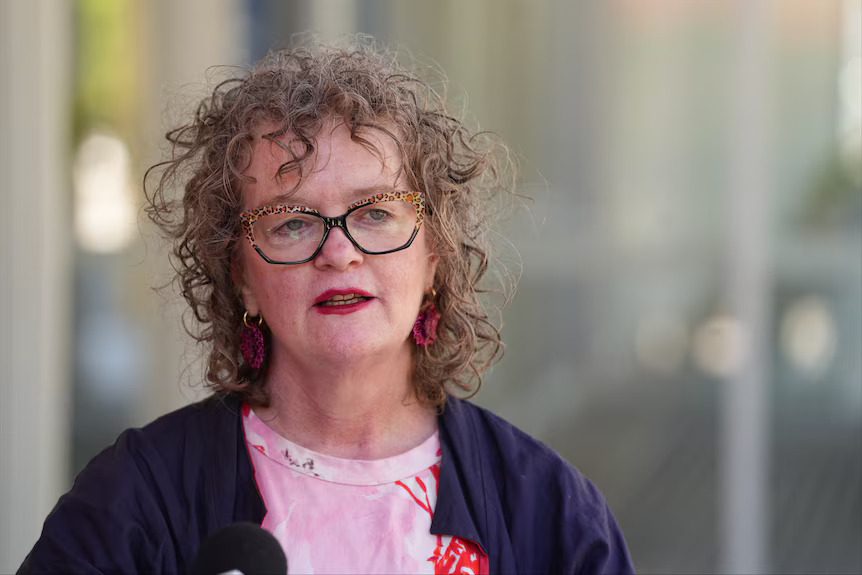
Angela Burroughs of the ACT branch of the education union, who has previously demanded an overhaul of the funding system, described the government's announcement as a "carefully curated communications package". She acknowledged that the review and subsequent budget adjustments had brought greater recognition of the scale of the problem, particularly the pressures facing schools struggling to meet student needs.
"What I can say is that this budget readjustment process does actually have some good news," Burroughs said. "And that good news is that the education minister and the director-general now know that more than half of our ACT public schools are experiencing extreme resourcing pressure.
"They can't deny that there are unmet resourcing needs." However, she argued that the government had not increased the overall funding available to schools, meaning additional resources for some institutions would come at the expense of others. "The only way that this resourcing need is being met is to take money from other schools and that's what we are hearing about today," she said. Burroughs also questioned how the Directorate had assessed the extent of resource shortages across the system.

She said principals and teachers had been consulted about their capacity to operate safely and had identified 43 schools experiencing extreme resourcing pressures. However, she alleged that the Directorate subsequently reduced that figure to 13 through its own assessment, without directly consulting staff working in the affected schools. "The directorate's own self-assessment activity that took place over the weekend reduced that figure of 43 schools to 13, without one single conversation with someone who worked in those schools," she said.
The dispute highlights the challenges facing the ACT government as it attempts to redistribute education funding while addressing longstanding inequalities across public schools. With some institutions set to receive substantial increases and others facing cuts, questions remain over whether the new model will deliver the additional support schools need without deepening existing pressures elsewhere in the system.