


The Welsh Government has consented to UK-wide regulatory changes covering six additional groups or entries of persistent organic pollutants and revised concentration limits for existing chemicals. The rules are scheduled to take effect on Dec 16.
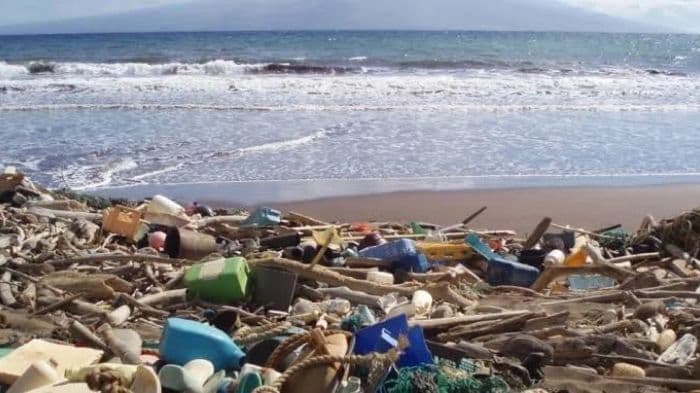
Wales has agreed to updated UK-wide controls on persistent organic pollutants, including new entries for several chemicals and revised concentration limits for substances already covered by domestic regulations.
In a written statement published on Oct 19, Welsh Cabinet Minister for Rural Resilience and Sustainability Llyr Gruffydd said he had consented to the UK Government making the Persistent Organic Pollutants (Amendment) Regulations 2026 applicable in Wales.

The regulations were laid before the UK Parliament on Oct 14 and are scheduled to come into force on Dec 16. The changes implement amendments adopted at the 11th and 12th Conferences of the Parties to the Stockholm Convention on Persistent Organic Pollutants.
The Welsh Government said applying the UK legislation across Great Britain would maintain a consistent regulatory approach and support compliance with international obligations.
Which chemicals are covered?
The amendments introduce new entries for chlorpyrifos, Dechlorane Plus, long-chain perfluorocarboxylic acids (LCPFCAs), medium-chain chlorinated paraffins (MCCPs) and UV-328.
They also update concentration limits for existing persistent organic pollutants, including perfluorooctane sulfonate (PFOS) and polybrominated diphenyl ethers (PBDEs).
Persistent organic pollutants are chemicals that resist environmental degradation and can remain in the environment for long periods. Some can accumulate in living organisms and move through food chains, creating concerns about long-term exposure and environmental contamination.
The revised regulations include staged concentration thresholds and specific exemptions for certain industrial, aerospace, defence and medical applications. These provisions mean the requirements vary according to the substance and its use.
Why the changes matter
The updated controls are intended to align domestic rules with decisions made under the Stockholm Convention, an international treaty aimed at protecting human health and the environment from persistent organic pollutants.
For manufacturers, waste-management operators and businesses handling affected chemicals, the revised limits and exemptions will be relevant to assessing regulatory compliance. Environmental laboratories and research institutions studying chemical contamination may also need to account for the updated requirements when interpreting monitoring data.
However, the Welsh Government statement does not announce new environmental monitoring programmes, university funding or additional laboratory requirements. Any such changes would need to be confirmed separately.
When will the rules take effect?
The amendments are due to enter into force on Dec 16, when the relevant international changes take effect for the UK.
Welsh Ministers agreed to the UK Government exercising its legislation-making powers in a devolved area for this measure. Gruffydd said the technical nature of the amendments and the need for a consistent approach across Great Britain supported the decision.
The regulations update the existing framework for controlling persistent organic pollutants. Their practical implications will depend on the specific chemical, applicable concentration threshold and any exemption relevant to its use.

International graduates could contribute $1 trillion to US, UK, Canada and Australia

NEET UG Stray Vacancy Result 2026: MBBS Seat Allotted at AIR 11.90 Lakh; Check Closing Ranks

Telangana to Implement 25% RTE Quota in Private Schools for EWS and Disadvantaged Children

Could smarter energy solutions make data centres more sustainable?

Cambridge and AstraZeneca extend joint PhD programme for three years
Could smarter energy solutions make data centres more sustainable?
Cambridge and AstraZeneca extend joint PhD programme for three years

China shuts three Tibetan schools, raising fears for language and cultural identity

CCPA reports 3,940 delistings in crackdown on online sale of explosive substances

UGC seeks governors’ intervention as 82 Tamil Nadu institutions face 150 fee-refund complaints

International graduates could contribute $1 trillion to US, UK, Canada and Australia
NEET UG Stray Vacancy Result 2026: MBBS Seat Allotted at AIR 11.90 Lakh; Check Closing Ranks
Telangana to Implement 25% RTE Quota in Private Schools for EWS and Disadvantaged Children
Could smarter energy solutions make data centres more sustainable?
Cambridge and AstraZeneca extend joint PhD programme for three years
Could smarter energy solutions make data centres more sustainable?
Cambridge and AstraZeneca extend joint PhD programme for three years
China shuts three Tibetan schools, raising fears for language and cultural identity
CCPA reports 3,940 delistings in crackdown on online sale of explosive substances
UGC seeks governors’ intervention as 82 Tamil Nadu institutions face 150 fee-refund complaints
Copyright© educationpost.in 2026 All Rights Reserved.