


Two pre-session webinars held on Oct 19 outlined the UN climate body's work on implementing climate action in agriculture and food security, with progress and outstanding tasks due for consideration at November's SB65 meetings in Türkiye.
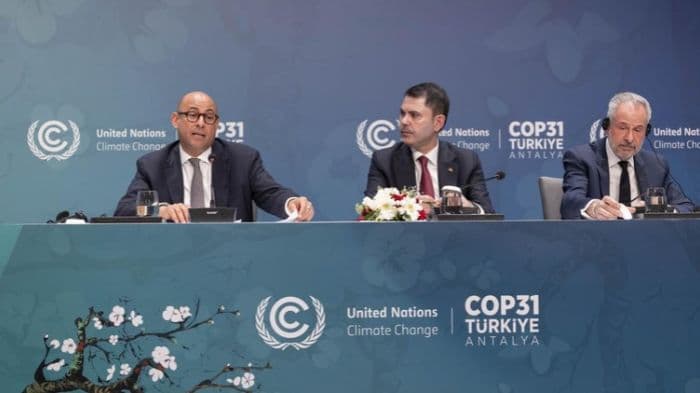
The United Nations Framework Convention on Climate Change (UNFCCC) Secretariat held two webinars on Oct 19 to brief delegates and stakeholders on efforts to implement climate action related to agriculture and food security ahead of the November meetings of its subsidiary bodies.
The sessions focused on the Sharm el-Sheikh joint work on implementation of climate action on agriculture and food security, including progress on the Secretariat’s mandates and matters scheduled for consideration at the 65th sessions of the Subsidiary Bodies (SB65). The meetings will take place in Antalya, Türkiye, alongside preparations for the UN climate conference COP31.

According to the official event notice, the webinars were scheduled for 07:00–07:45 UTC and 16:00–16:45 UTC to accommodate participants across time zones.
Focus on implementation and support for agriculture
The Sharm el-Sheikh joint work was established through a decision adopted at COP27 in 2022. It aims to advance the implementation of climate action in agriculture and food security, building on earlier discussions under the Koronivia Joint Work on Agriculture.
The initiative recognises that climate change threatens food production systems and that safeguarding food security and ending hunger are priorities.
Its objectives include improving coordination among governments and international organisations, strengthening research and knowledge-sharing, and helping countries identify and access the support needed to implement climate action.
The work also emphasises the importance of context-specific approaches, including the needs of small-scale farmers, Indigenous Peoples, women and other groups particularly vulnerable to climate impacts.
Reports and outstanding work ahead of SB65
The Oct 19 briefings covered progress on the Secretariat’s mandates, including preparations for the report on a June 2026 workshop examining the challenges countries face in identifying needs and accessing resources for climate action in agriculture and food security.
The workshop, held during SB64 in Bonn from June 8 to 10, explored implementation needs, access to support and the sharing of good practices. Its report is due for consideration at SB65.
The UNFCCC has also published its second annual synthesis report on activities undertaken in 2025 under the joint work. The reporting process brings together information on activities carried out by relevant bodies, financial entities and international organisations.
The subsidiary bodies are expected to report on progress and outcomes under the joint work to COP31 in November 2026.
Why agriculture remains central to climate action
Agriculture and food systems face growing risks from droughts, floods, heat and other climate-related pressures. At the same time, agricultural production and land use are sources of greenhouse gas emissions, making the sector relevant to both climate adaptation and mitigation.
The UNFCCC process seeks to help countries connect these challenges with practical measures, including improved resilience, access to finance and technology, and the exchange of knowledge.
The Oct 19 webinars were intended to inform participants ahead of formal discussions. The available event notice does not establish whether the sessions produced new commitments or agreements.
Any claims about additional decisions or outcomes would require confirmation from the webinar recordings, presentations or an official post-event summary.

Facing risk of losing ancient knowledge, China establishes rare disciplines school

From smart classrooms to surveillance concerns: Why China's Nanjing University rolled back AI feature

Screen time concerns shape Japan's digital textbook policy, printed books to remain primary

Black holes: Where space, time and the laws of physics break down

Santa Barbara City College in US sees sharp fall in international student enrolment
Facing risk of losing ancient knowledge, China establishes rare disciplines school
From smart classrooms to surveillance concerns: Why China's Nanjing University rolled back AI feature
Screen time concerns shape Japan's digital textbook policy, printed books to remain primary

From admissions to employment, J&K brings private universities under 25% domicile quota

After NEET paper leak row, NTA moves to expand examination center network

Facing risk of losing ancient knowledge, China establishes rare disciplines school
From smart classrooms to surveillance concerns: Why China's Nanjing University rolled back AI feature
Screen time concerns shape Japan's digital textbook policy, printed books to remain primary
Black holes: Where space, time and the laws of physics break down
Santa Barbara City College in US sees sharp fall in international student enrolment
Facing risk of losing ancient knowledge, China establishes rare disciplines school
From smart classrooms to surveillance concerns: Why China's Nanjing University rolled back AI feature
Screen time concerns shape Japan's digital textbook policy, printed books to remain primary
From admissions to employment, J&K brings private universities under 25% domicile quota
After NEET paper leak row, NTA moves to expand examination center network
Copyright© educationpost.in 2026 All Rights Reserved.