India could witness harsher and more prolonged heatwave conditions this year due to the combined impact of El Niño and climate change, weather experts and climate scientists have warned. Several parts of north, central and western India are already experiencing unusually high temperatures, with the India Meteorological Department (IMD) issuing repeated heatwave alerts in recent days.
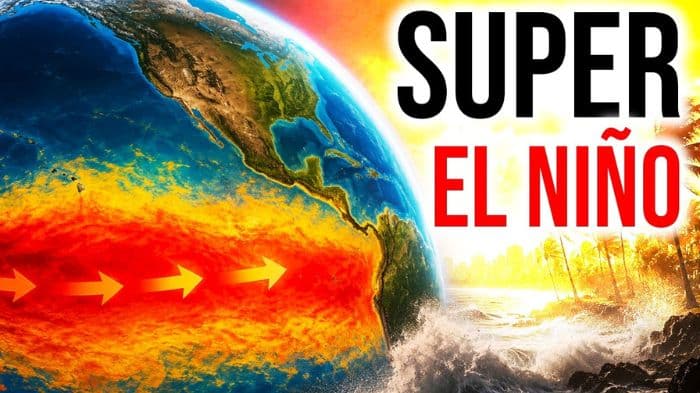
El Niño is a climate phenomenon associated with the periodic warming of sea surface temperatures in the central and eastern Pacific Ocean. It often disrupts global weather patterns and has historically been linked to weaker monsoon rainfall and extreme summer temperatures in India.

According to meteorologists, El Niño conditions this year are expected to contribute to above-normal temperatures across large parts of the country, particularly during the pre-monsoon months.
The IMD has already forecast higher-than-normal maximum temperatures over most regions of India, with northwestern states including Delhi, Rajasthan, Haryana and Punjab facing severe heat stress.
In Delhi, temperatures are expected to remain between 43°C and 45°C this week, while several districts in Rajasthan have already crossed 46°C. Heatwave warnings have also been issued for parts of Uttar Pradesh, Madhya Pradesh and Gujarat.
Scientists say climate change is amplifying the effects of natural weather systems like El Niño, making heatwaves more frequent, intense and longer-lasting than in previous decades.
Climate experts cited in reports warned that urbanisation, declining green cover and the “urban heat island effect” are worsening conditions in densely populated cities. Concrete-heavy infrastructure absorbs and retains heat, causing temperatures in cities to remain high even during nighttime hours.
The World Meteorological Organization (WMO) has previously stated that global temperatures are likely to remain near record highs due to the interaction between greenhouse gas emissions and El Niño-related warming.
Experts also warned that extreme heat could severely affect agriculture, water availability, labour productivity and public health across India.
Outdoor workers, construction labourers, delivery personnel, farmers, children and elderly people are considered among the most vulnerable groups during heatwave conditions. Public health authorities have repeatedly advised people to avoid prolonged exposure to direct sunlight and remain hydrated.
The Centre and several state governments have issued advisories asking hospitals and civic agencies to remain prepared for possible spikes in heatstroke and dehydration cases.
According to experts, India has witnessed a sharp rise in heatwave events over the past decade. Research by climate scientists suggests that the duration and geographical spread of heatwaves have expanded significantly compared to earlier decades.
The IMD defines a heatwave when temperatures reach at least 40°C in plains and remain significantly above normal levels, or cross 45°C regardless of deviation. Severe heatwave conditions are declared when temperatures rise even further above seasonal averages.
Meteorologists said some relief may arrive with the gradual advancement of the southwest monsoon later in the season, although above-normal temperatures are expected to persist in several regions until then.